
THE WANDERHACKR JOURNAL
November 3, 2026
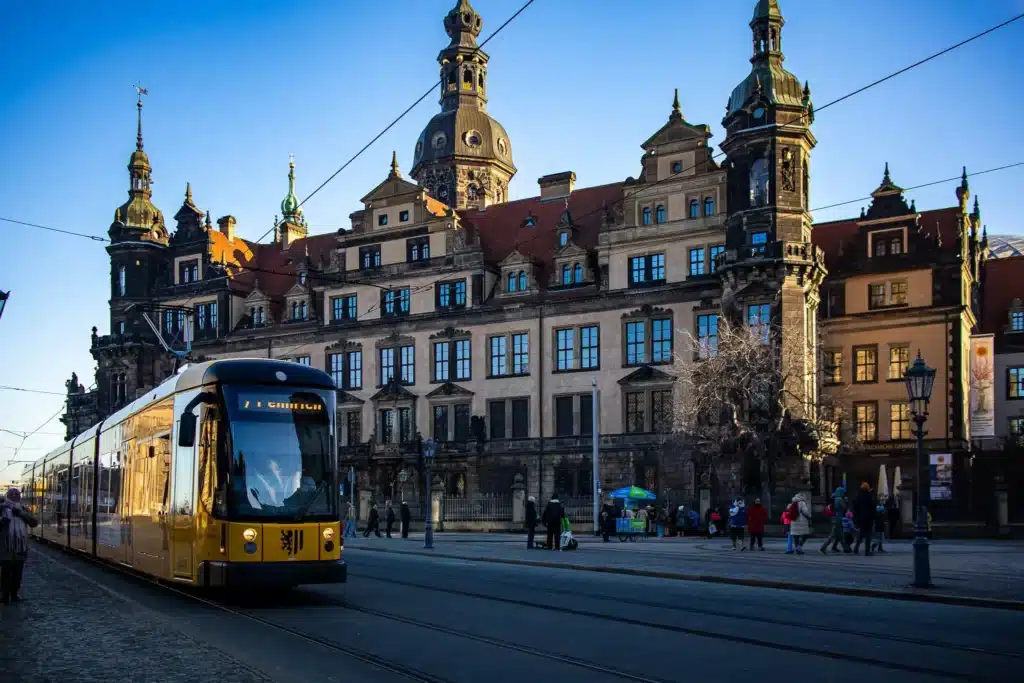
In Dresden, yellow trams don’t sit politely at the edge of the postcard. They cut through the historic center, turning a rebuilt Baroque city into something more interesting: a place where monumental architecture still has to share space with schedules, platforms, kiosks and everyday movement.
Read the full story →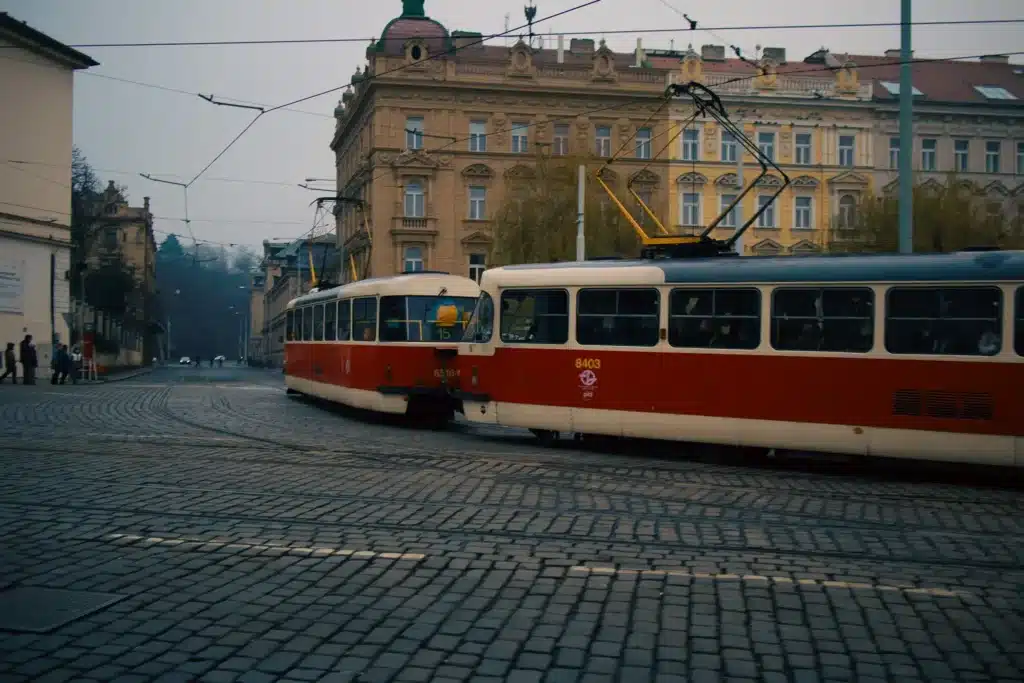
October 23, 2026
In Prague, movement is part of the city’s visual identity: trams on cobblestones, a metro designed like public art, bridges over the Vltava, and arcades that turn circulation into culture.
Read the full story →
October 23, 2026
In these Athens photographs, the ancient city is never isolated from the modern one. Columns, theater walls, and archaeological openings keep turning the capital into something seen through older structures rather than beyond them.
Read the full story →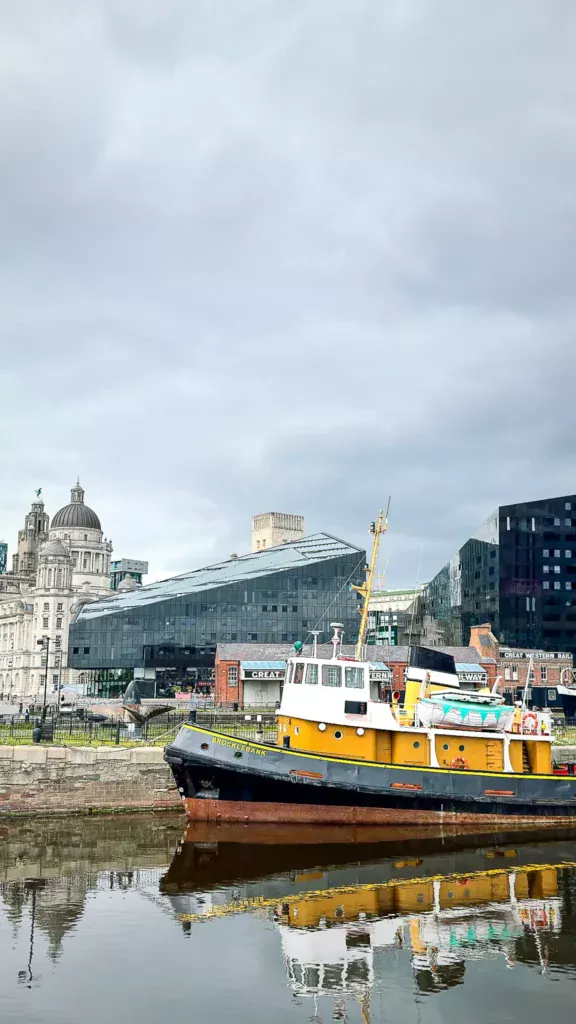
October 23, 2026
In these Liverpool street and waterfront scenes, the city reads less as a set of landmarks than as a chain of interfaces: station and street, dock and redevelopment, ceremonial gate and civic stone, retail plaza and nightlife corridor.
Read the full story →
October 11, 2026
In this London set, the city reads less like a collection of monuments than a designed system of movement—roundels, bus blinds, platform signs, road markings, and station names turning daily circulation into civic identity.
Read the full story →
October 11, 2026
Along Budapest’s Danube embankment, tram line 2 does more than move passengers. It organizes one of Europe’s great urban panoramas into a sequence of bridges, embankments, domes, boats, and public space seen at street level.
Read the full story →
October 2, 2026
In this Paris photo set, the city reads less like a gallery of monuments than a tightly composed street system shaped by transit signs, terrace rules, storefront typography, zebra crossings, and the daily mix of pedestrians, bikes, buses, and stone façades.
Read the full story →
September 30, 2026
In Marrakech, the medina works less like a backdrop and more like a circulation system, where scooters, bicycles, handcarts, shade canopies, and market lanes keep a historic city in motion.
Read the full story →
September 26, 2026
A practical first-trip guide to 15 worthwhile NYC food stops, with signature orders, current price guidance, subway stops and booking advice.
Read the full story →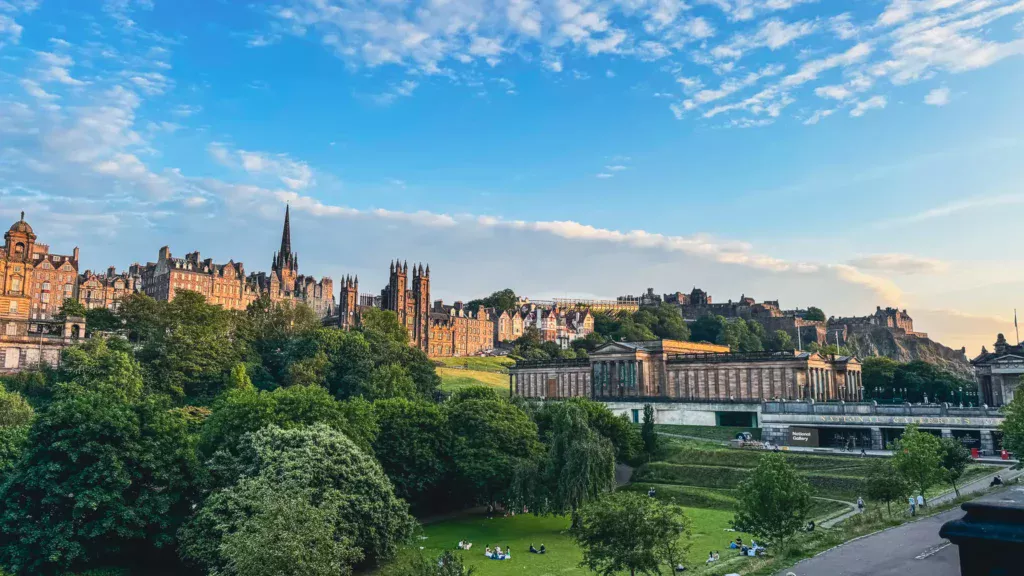
September 25, 2026
In central Edinburgh, the city’s identity comes from compression: parkland below a former loch, gallery façades on the Mound, tram wires cutting across Gothic stone, and commercial color tucked into surviving fragments of the Old Town.
Read the full story →
September 25, 2026
In this Mexico City photodump, the clearest story isn’t about landmarks. It’s in the ejes viales, PEMEX signs, palm-lined arterials, rooftop tinacos, utility wires, and domestic interiors that show how the city quietly runs.
Read the full story →
September 22, 2026
In central Amsterdam, the city’s character isn’t only in canal views or landmark facades, but in the engineered edges that hold everything together: quays, bridges, railings, tram lines, moorings, and bike parking.
Read the full story →Explore smarter. Travel better.Instagram ↗ · X ↗