Rome becomes much easier once you stop treating it as one enormous sightseeing zone. Walk between nearby sights, use rail for longer jumps, and plan meals around the neighborhood you are already in. This Rome travel guide covers the mechanics that matter: airport transfers, public transport, Roman food, advance bookings, visitor charges and the small complications that can otherwise consume half a day.
Getting around Rome without wasting half the trip
The useful rule is simple: walk within sightseeing clusters, use the metro or urban rail between clusters, and turn to buses or taxis when the geography does not cooperate.
Walk the center, but do not underestimate it
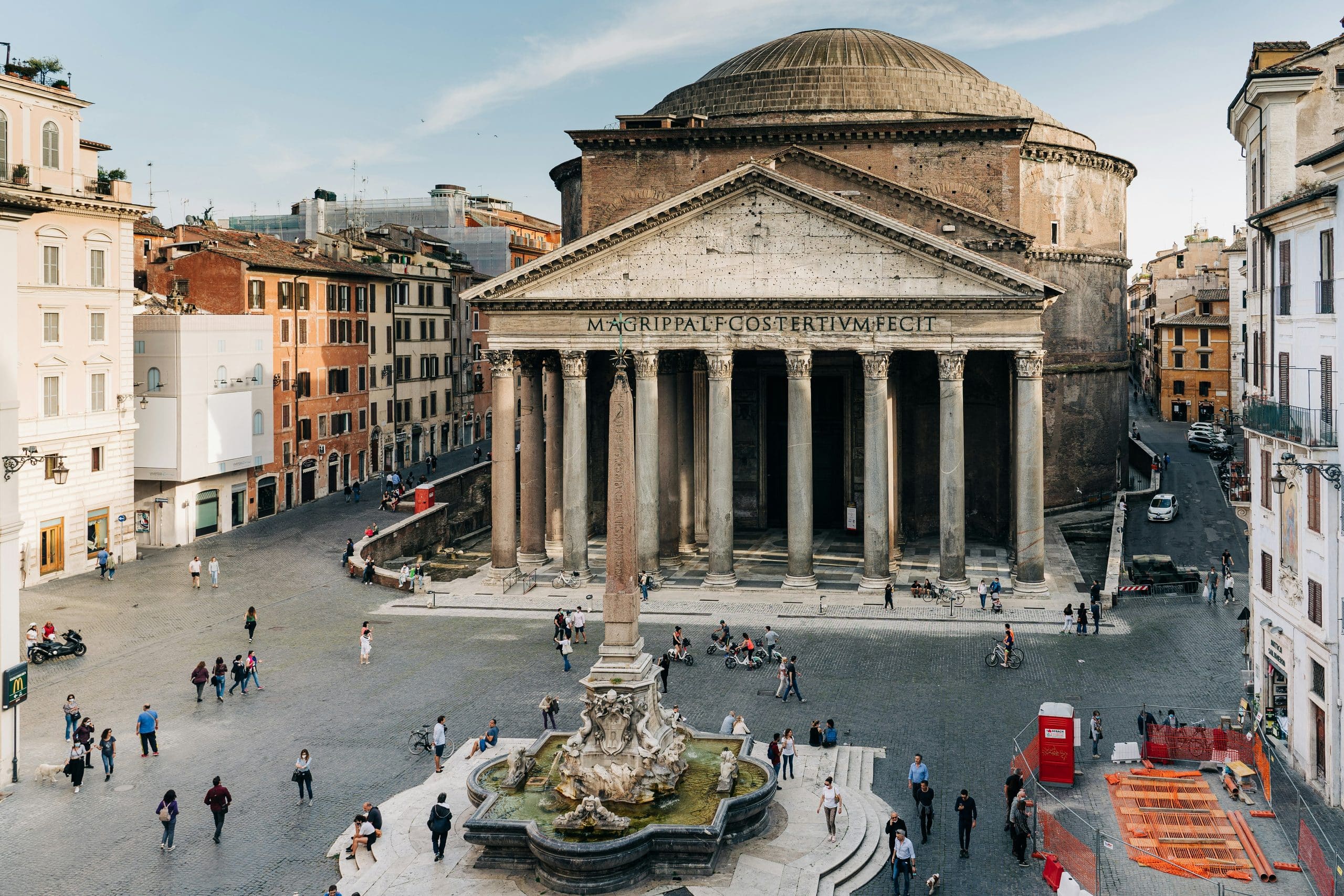
Trevi Fountain, the Pantheon, Piazza Navona and Campo de’ Fiori form a logical walking cluster. Once inside this area, waiting for a bus can take longer than continuing on foot. Metro A’s Barberini station is useful for reaching the Trevi side, but neither the Pantheon nor Piazza Navona has a metro station.
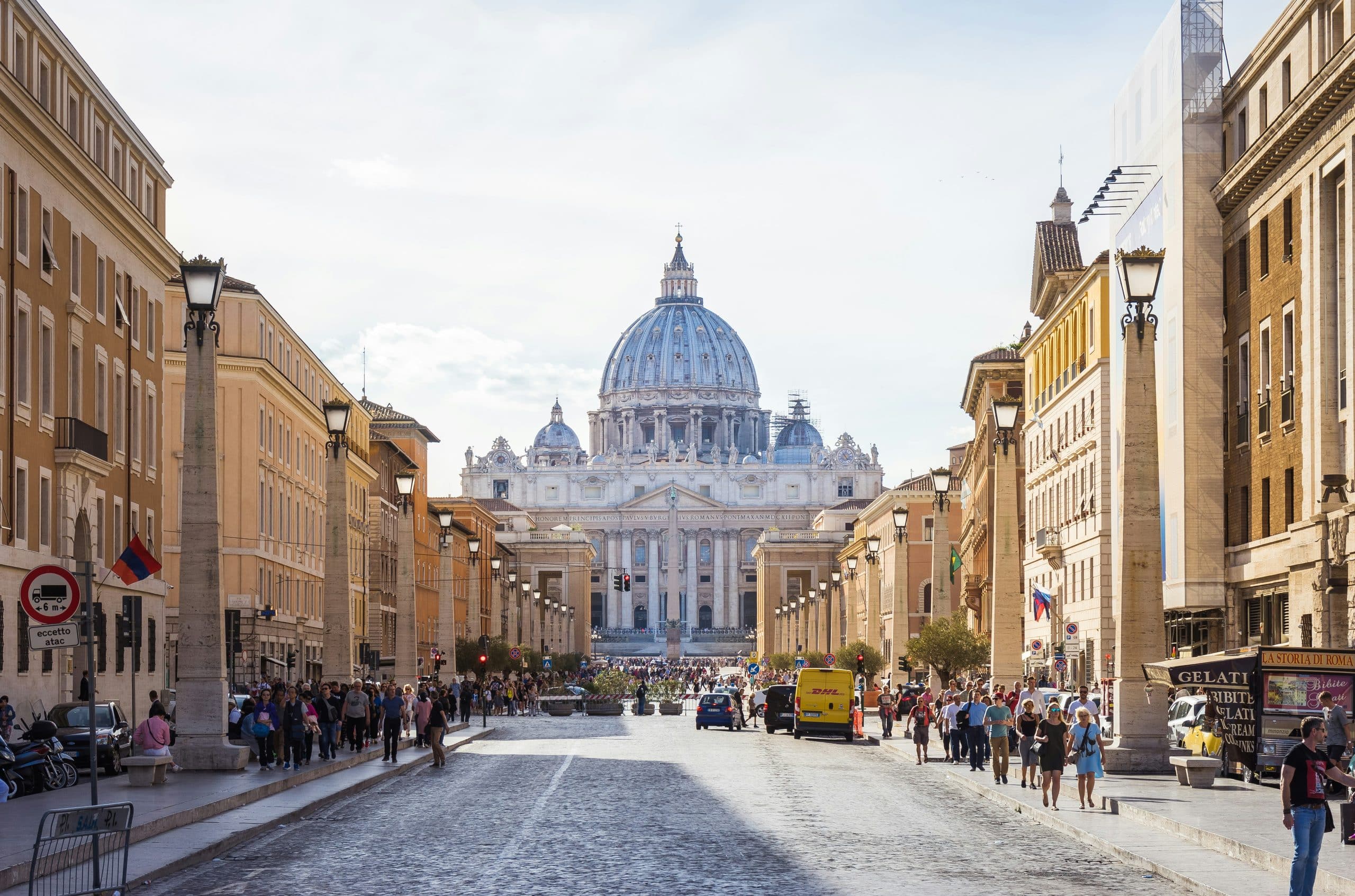
Other areas require more planning. Central Trastevere is not directly served by the metro, while the Colosseum, Testaccio and the Vatican side fit the rail network more neatly. Cobblestones, broken paving, crowds and steep archaeological paths also mean that a distance that looks modest on a map may not feel modest with luggage, a wheelchair or a pushchair.
Use Metro A and B as the main transport spine
Metro A is useful for Ottaviano and Cipro near the Vatican, plus Flaminio, Spagna, Barberini and Termini. Metro B links Termini with Cavour, Colosseo, Circo Massimo and Piramide, the latter being useful for Testaccio and Ostiense. Metro C is less central to a typical first visit but connects with Metro A at San Giovanni and serves eastern neighborhoods.
A BIT ticket costs €1.50 and lasts 100 minutes from validation. It includes one metro journey under ATAC’s transfer rules, not unlimited exits and re-entry. Current passes cost €8.50 for 24 hours, €15 for 48 hours, €22 for 72 hours and €29 for a weekly CIS. Whether a pass saves money depends on how much you actually ride; central Rome encourages more walking than optimistic itinerary spreadsheets suggest.
ATAC Tap & Go works on buses, trams and metro services. Tap whenever changing vehicles and use the same card or NFC device throughout. Each traveler needs a separate card or device. Fare capping can apply up to the €8.50 24-hour fare.
Paper tickets must be validated and retained. Digital tickets need activating immediately before boarding or entering the metro. The official ATAC Roma app combines tickets, journey planning, service information and accessibility data.
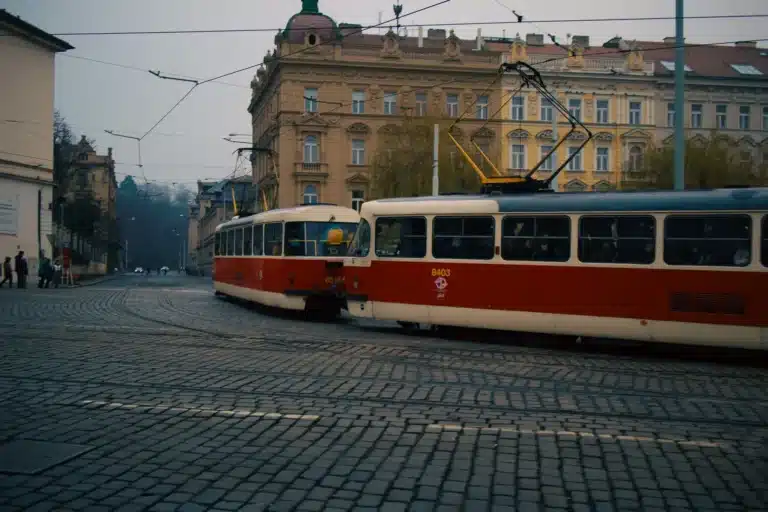
Buses fill the gaps but are exposed to traffic and diversions. Tram construction has also produced changing substitutions and partial routes, so static advice ages badly. Check ATAC on the day rather than relying on an old map or blog post.
Choose airport transport by your final neighborhood
- Fiumicino to Termini: the Leonardo Express costs €14, takes 32 minutes and normally runs every 15 minutes. A four-person mini-group fare costs €40. Metrebus urban tickets are not valid.
- Fiumicino to Trastevere, Ostiense or Tiburtina: the FL1 regional line usually avoids an unnecessary detour through Termini. Its fare depends on the destination station.
- Fiumicino by taxi: the official fixed fare is €55 per vehicle for qualifying direct journeys to addresses inside the Aurelian Walls.
- Ciampino on a budget: ATAC routes 520 and 720 accept ordinary Rome tickets and connect with the Metro A and B corridors respectively. Check the final departures if arriving late.
- Ciampino by taxi: the fixed fare is €40 per vehicle for qualifying journeys inside the Aurelian Walls.
Licensed taxis are white, with a TAXI roof sign, the Roma Capitale symbol and a license number. For metered trips, confirm the meter is running and request a receipt. Taxi and licensed NCC operators must accept non-cash payment. Ignore drivers soliciting passengers inside terminals, and confirm that your address really falls within the fixed-fare zone.
Accessibility requires live checking
ATAC says its buses have boarding platforms and wheelchair spaces, but only 70% of the tram fleet has platform-level floors. Metro A stations including Spagna, Barberini, Repubblica and Vittorio Emanuele lack lifts or stairlifts to the platforms, and equipment elsewhere can be unavailable. Check the app’s live accessibility information before setting out.
Eat local without crossing the city for every plate of pasta
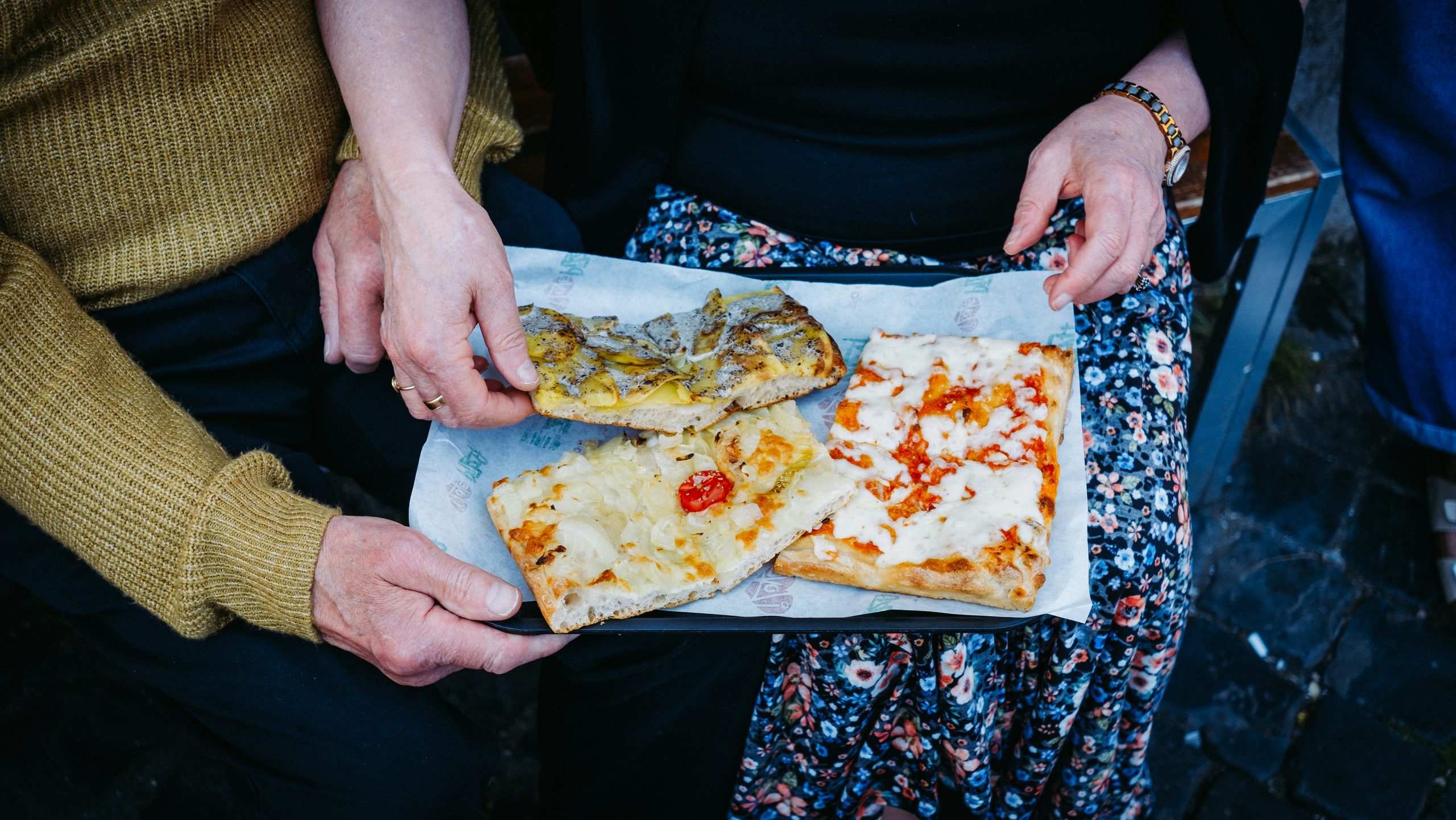
Roman cooking is not a four-pasta tasting flight, although carbonara, gricia, amatriciana and cacio e pepe are central to it. Traditional carbonara uses guanciale, Pecorino Romano, eggs and pepper—not cream. Beyond pasta, look for supplì, thin round Roman pizza, pizza al taglio, abbacchio, saltimbocca and the city’s quinto quarto tradition: coda alla vaccinara, trippa, coratella and other offal dishes.
Season matters. Artichokes and the bitter salad puntarelle are associated with cooler months rather than every menu in every season. Jewish-Roman cooking adds dishes such as carciofi alla giudia and baccalà. If offal is not your thing, Rome still offers a formidable amount of fried food, bakery food and vegetable cookery.
Use neighborhoods as dining anchors
Testaccio is the most practical introduction to Roman food because its market, pizza counters and trattorias are concentrated in one area. Mercato Testaccio works for inexpensive daytime eating, while Piatto Romano is a useful sit-down choice for traditional dishes and vegetables. The market is primarily a morning and lunchtime destination; verify individual stall days before making a special journey.
In the historic center, Forno Campo de’ Fiori is a convenient bakery stop for pizza, bread and baked goods. Armando al Pantheon is the opposite kind of meal: a central, reservation-worthy trattoria rather than somewhere to assume you can walk into after visiting the Pantheon.
San Giovanni has Santo Palato, a contemporary trattoria rooted in Roman cooking and reachable by Metro A or C. Near Ostiense, Trattoria Pennestri makes sense alongside plans for Piramide or Testaccio. These are location-and-meal recommendations, not a claim that any one neighborhood or restaurant is universally “most authentic.” Confirm opening days and booking arrangements directly.
Read the menu, not the postcard view
No single feature proves a restaurant is a tourist trap. A multilingual or photographic menu can be entirely practical. More useful warning signs are combinations: aggressive solicitation, an implausibly sprawling menu, unclear prices and extra charges that appear only after the meal.
Typical meal windows are roughly 12:30–14:30 for lunch and 19:30–23:00 for dinner, though individual businesses vary. Tipping is voluntary. Lazio rules prohibit an added coperto, but clearly disclosed service or bread charges can appear, so read the menu before ordering. Cards are widely accepted, although a little cash remains useful for small transactions.
Travel smarter: bookings, fees and everyday friction
Book the attractions that genuinely require it
For the Colosseum, a timed reservation is compulsory and official ticket sales open 30 days ahead. The standard €18 ticket includes one Colosseum entry and one Forum-Palatine entry within its defined 24-hour validity. Tickets are named, so carry identification. Use the official archaeological park website.
Every ticket category at Galleria Borghese requires a reservation, including free tickets. For the Vatican Museums, the institution warns that tickets.museivaticani.va is its only official online ticket portal. Similar-looking domains may charge more.
The Pantheon’s full ticket is currently €7. Official sales are through Musei Italiani, its app and on-site machines or ticket desks. There is no official Pantheon “skip-the-line” product.
Since February 2026, tourists and non-residents pay €2 to enter the controlled inner area closest to the Trevi Fountain. The fountain remains visible free from outside that perimeter. Controlled access hours have been presented inconsistently across official pages, so check the live municipal information rather than building a day around a quoted schedule.
Budget for the accommodation tax
Rome’s accommodation tax is separate from the room rate at many properties. Current examples include €6 per person per night for B&Bs, short rentals and many tourist lodgings, €7.50 at four-star hotels and €10 at five-star hotels. It is generally capped at ten consecutive nights at the same property. Confirm the category and payment method with your accommodation before arrival.
Dress for churches, even when they are major attractions
The Vatican Museums, Sistine Chapel, Vatican Gardens and St. Peter’s Basilica enforce clothing standards that exclude sleeveless or low-cut garments, shorts above the knee, miniskirts and hats. The Pantheon also requires covered shoulders and clothing suitable for a place of worship. A lightweight layer prevents an avoidable argument at the door.
Plan around heat, daylight and basic bodily needs
Rome’s average daily maximum reaches roughly 30–31°C in July and August. During heat alerts, official guidance recommends avoiding strenuous outdoor activity during the hottest part of the day, particularly from noon to 18:00. Put exposed archaeological sites early in the morning, use indoor stops around midday and resume walking later.
Winter brings shorter attraction hours: the Colosseum currently closes at 16:30 after the last Sunday in October, compared with 19:15 through much of spring and summer. Religious and national holidays—including June 29, Ferragosto, Christmas and New Year—can alter transport, shop and attraction schedules.
Rome has more than 3,000 public drinking fountains, including over 200 nasoni in the historic center. Their water is potable, so carry a reusable bottle. Public toilets are less dependable. Use museum facilities when available and check official P.Stop locations without assuming every listed facility will be open.
For luggage, RFI currently lists staffed storage at Termini on the Via Giolitti side near platform 24, open 07:00–21:00. Recheck the hours on the day rather than treating them as permanent.
Keep scams boring and unsuccessful
Pickpockets target crowded metros, buses, stations and major sights. Keep phones and wallets out of open pockets, and be particularly deliberate while boarding or when someone creates a distraction. Around Trevi, Via dei Fori Imperiali and Ponte Sant’Angelo, police have continued to act against the three-shell gambling scam, in which accomplices pose as successful bettors. The correct strategy is not to outsmart the game; it is to keep walking.
Other avoidable mistakes are similarly mundane: using an unlicensed airport driver, buying attraction tickets from a lookalike domain, failing to validate a transport ticket or assuming a restaurant charge must be legitimate because it is already on the bill.
The most effective Rome travel tip is to cluster the city. Pair the Vatican side with Metro A, the Colosseum with Metro B, Testaccio with Piramide, and the historic center with a long walk and a nearby meal. Book the few attractions that demand advance planning, check ATAC for live disruptions and leave enough slack for Rome’s rough paving, queues and occasional logistical nonsense.