Give the Centro, Chapultepec and Coyoacán separate days; add Xochimilco when you have more time.
Roma/Condesa for cafés and parks; Centro for the historic core; Juárez/Reforma for a compromise between areas.
If Casa Azul matters to you, check its official dated tickets before arranging the rest of Coyoacán.
Use Metro or Metrobús when the route works; compare a door-to-door transfer when luggage or accessibility makes that easier.
Mexico City rewards a plan with a little space in it. Give the Centro a proper walk, a museum enough attention to become interesting, and lunch a place in the day rather than a gap between attractions. The useful unit is a neighbourhood and its nearby stops: crossing the whole city repeatedly can eat the time you hoped to spend exploring.
For a first visit, build around three areas: the Historic Centre, Chapultepec with Roma or Condesa, and Coyoacán. The routes below are editorial suggestions, designed to keep those areas together. You can enjoy one of them in a day; three days give each its own rhythm. A fourth makes Xochimilco or another museum a choice rather than a race.
FIRST DECISIONS
Start with geography, then your calendar
Put your hotel, your arrival airport and the one experience you most want onto the same map before booking everything else. A low room rate can be a poor saving if every dinner means another transfer. Keep the arrival evening close to your accommodation, especially after a long flight; there is no need to spend it proving that you can fit in one more district.
The city’s tourism guidance describes warmer, drier conditions around April and May and a rainy season broadly from May to October. Pack a light layer for cooler mornings and evenings, and allow a wet-weather alternative during the rains. These are seasonal patterns, not a forecast for your dates. Check the city’s visitor basics and the forecast shortly before travelling.
Let opening days shape the itinerary. The Anthropology Museum and Templo Mayor normally open Tuesday to Sunday; Casa Azul also closes on Monday. A Monday can still work for a neighbourhood walk and the Centro’s outdoor spaces, but it is a poor day to assume all the major museums will be available. Holiday closures can differ from the weekly schedule.
Choose one important reservation per day, then leave the rest flexible. If a ticketed museum is your reason for coming, start there rather than arriving tired at the end of a long checklist. You will notice more, and you will have a better reason to stop for a meal when you are actually hungry.
YOUR BASE
Where to stay: choose the trade-off
These are starting areas, not hotel endorsements or promises about every street. Compare the exact address, recent comments about noise, the entrance and the route home. Ask about lifts, steps and room access directly if those details affect your stay. In an enormous city, a neighbourhood name alone is too broad a booking decision.
Roma and Condesa
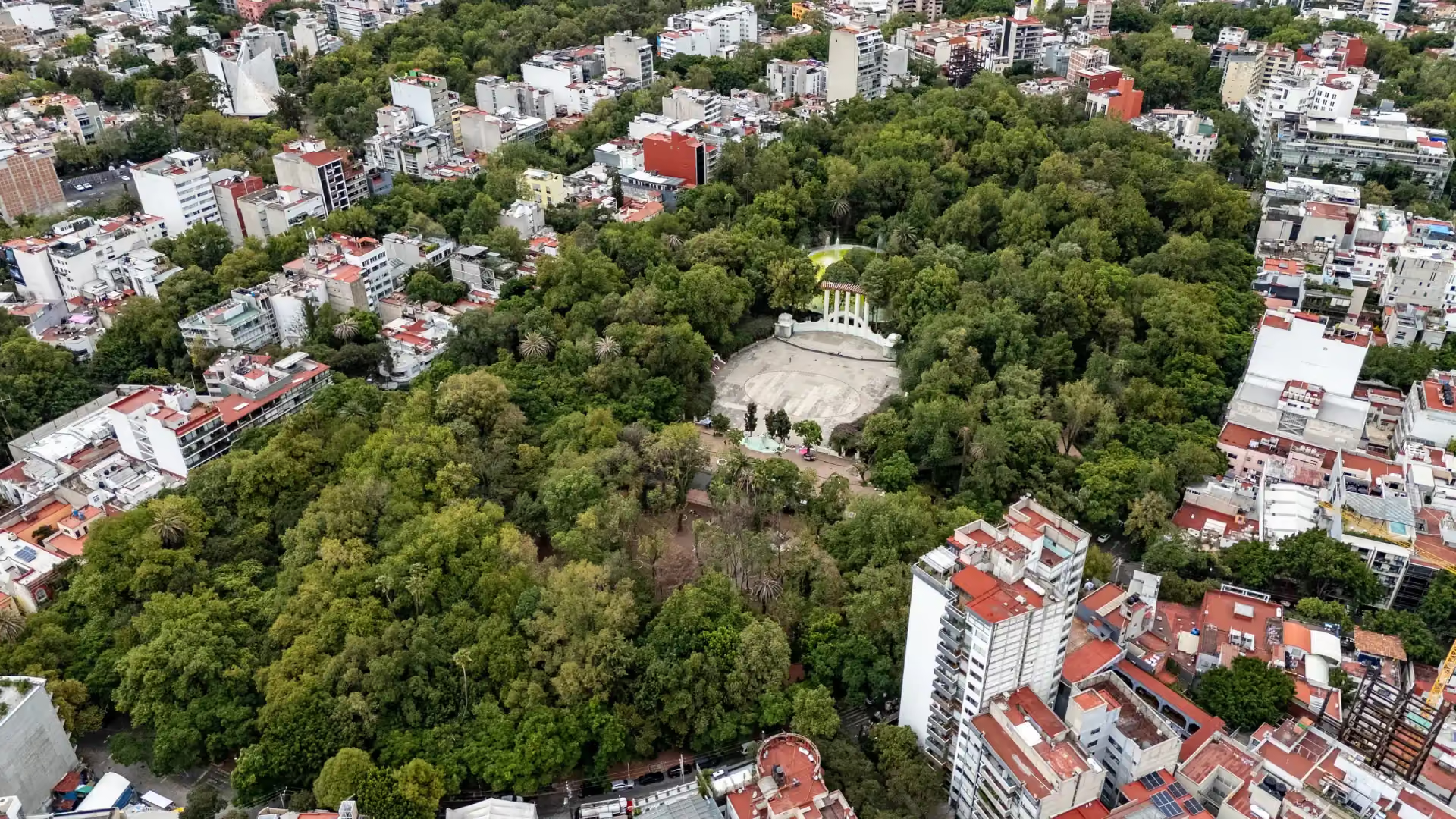
Choose this area when you want unhurried breakfasts, a local walk before dinner and the option to return to your room between outings. The city’s Roma–Condesa overview describes their parks, squares and cultural life. They are convenient for this style of visit, but the Centro and Coyoacán still require separate journeys. Check whether your room faces a busy restaurant or nightlife street.
Centro Histórico
Stay in the Centro if being able to walk out towards Bellas Artes, Madero or the Zócalo is the main attraction. It makes the historic-core day easy and gives you a reason to revisit familiar streets at a different hour. The trade-off is a busier urban setting: verify street noise, vehicle access and your arrival instructions, particularly around large civic events.
Juárez and the Reforma corridor
Use this as a compromise when you want to connect the historic core with the western museum day. Compare the hotel’s actual position rather than treating all of Reforma as one walkable neighbourhood. A room near the road may have a different noise level from one on a side street. Check the station or stop you would really use, including the walk to it.
Coyoacán
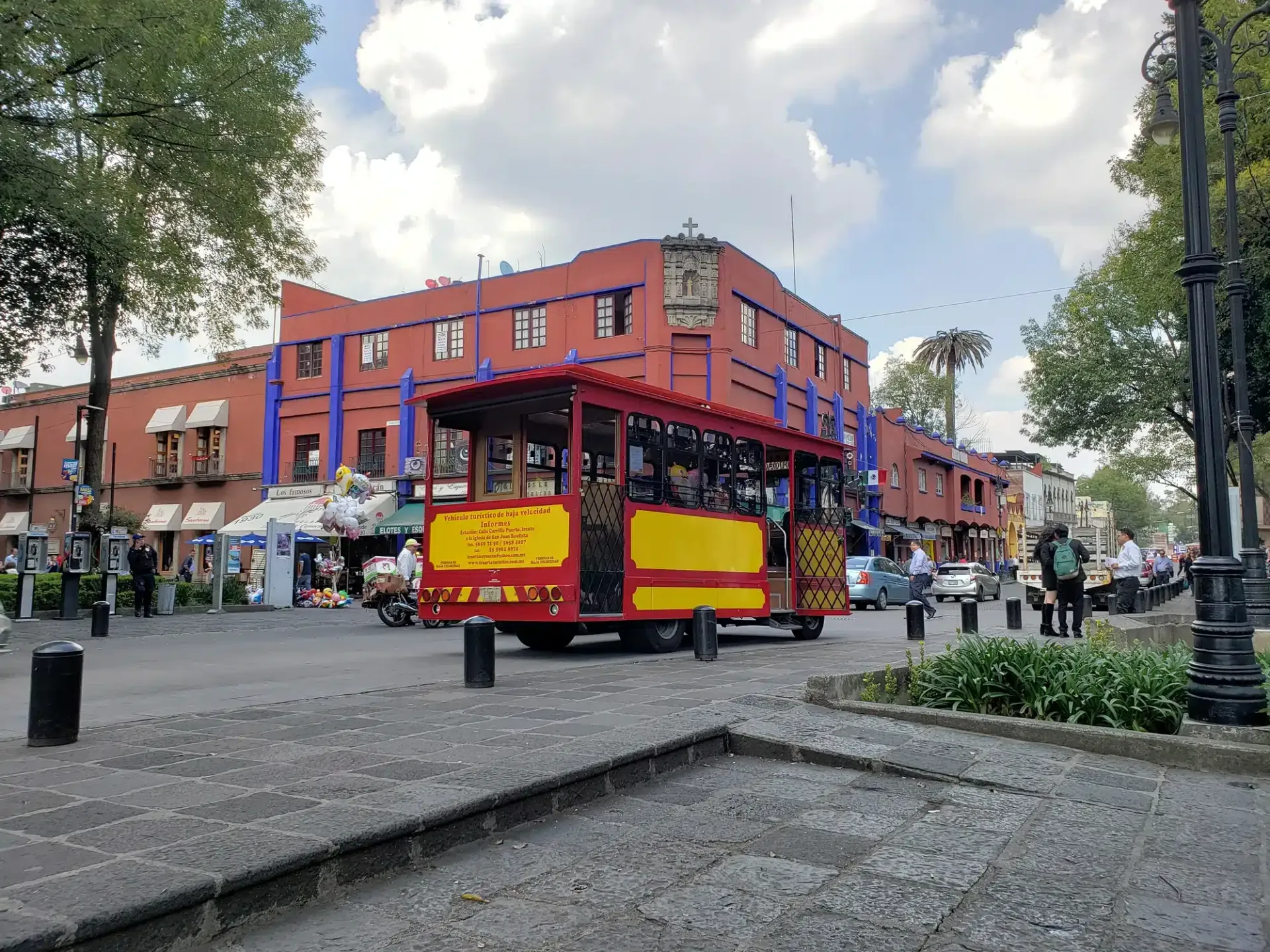
Choose Coyoacán when its plazas, cafés and Casa Azul are central to the trip, or when you are happy to spend more time in the south. Staying here can turn a rushed excursion into a relaxed local day. The cost is distance from the Centro and Chapultepec: it is less practical if your short stay revolves around those two areas.

CULTURE AND CITY LIFE
What to do: a few places with enough time
The strongest first visit does not require every famous building. Pick the museum that answers your curiosity, then pair it with nearby streets or a park. A second museum becomes an option if you still have energy. These stops give different ways into the city rather than variations on the same experience.
Alameda, Bellas Artes and the Zócalo
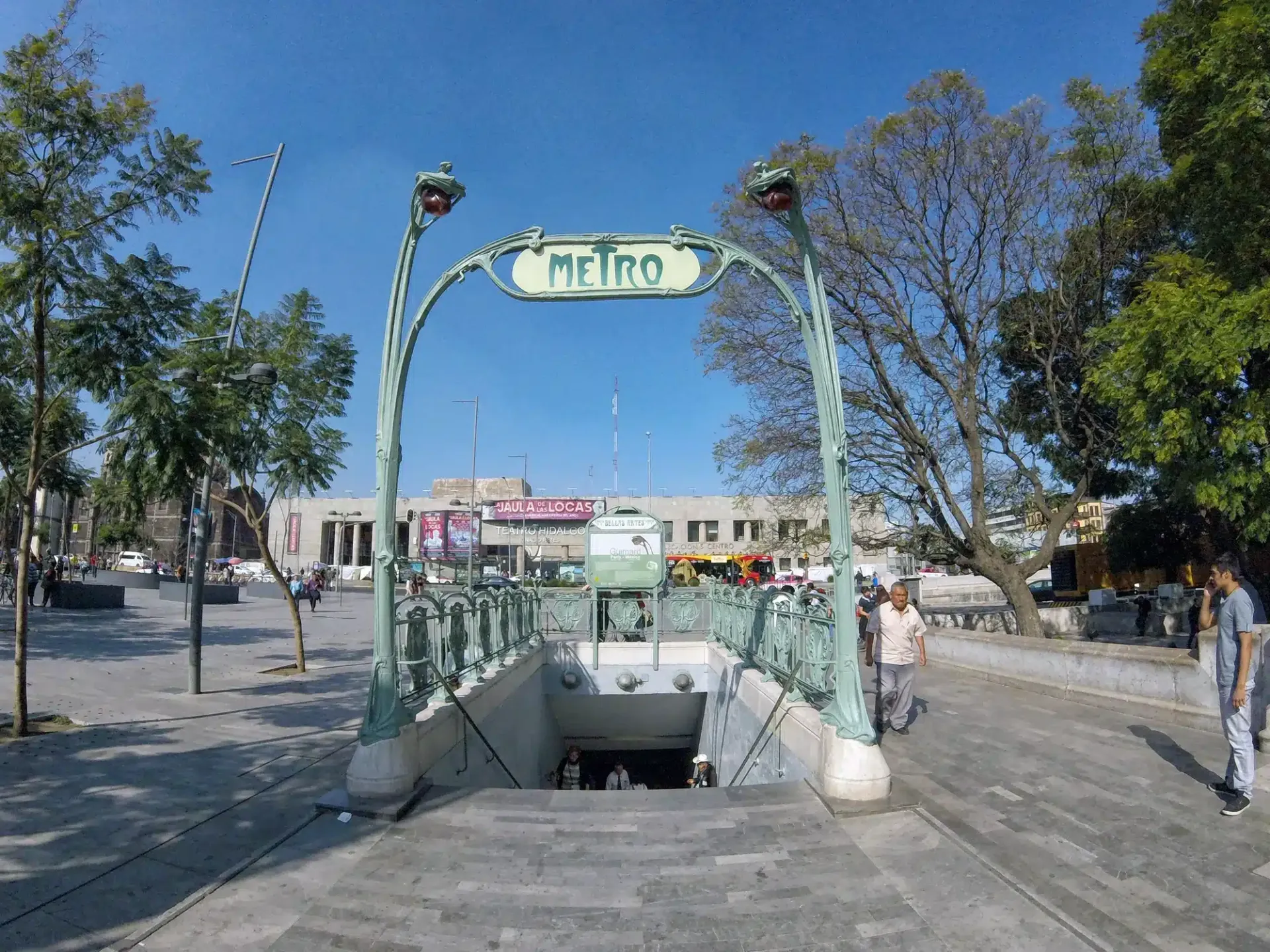
Follow a west-to-east walk through the Centro, using Bellas Artes and Madero to connect the Alameda with the main square. The historic centre sits above the earlier city of Tenochtitlan, a relationship recognised in UNESCO’s account of the site. Leave time to look at ordinary shopfronts and side streets as well as monuments; the area is a working city centre.
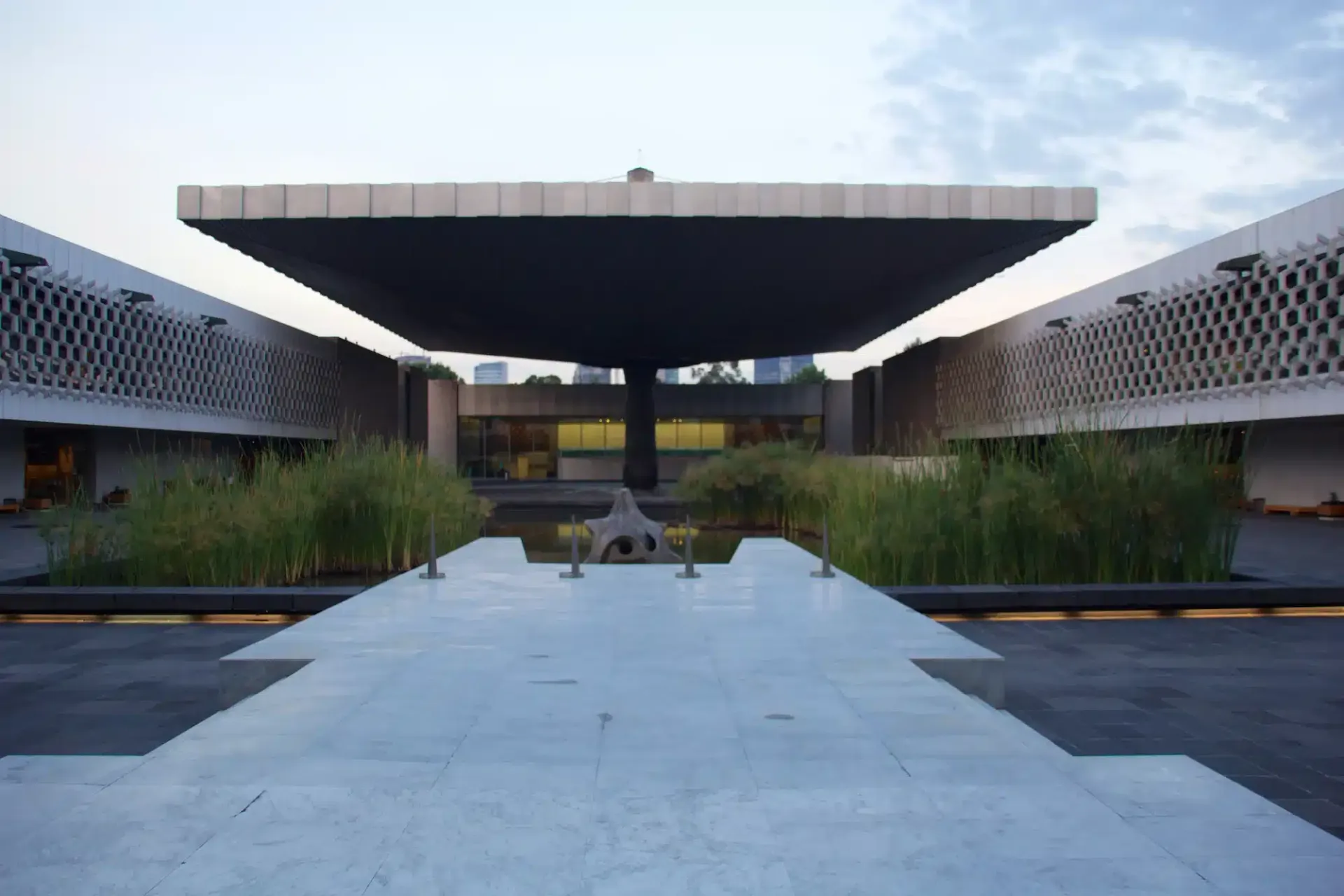
Museo Nacional de Antropología
Give this museum a substantial part of the day, then choose rooms rather than trying to absorb everything. Its official visitor page lists Tuesday–Sunday, 09:00–18:00, with MXN210 general admission and MXN105 for Mexican nationals and foreign residents. Verify eligibility and identification before relying on a reduced or free ticket. A walk in the Chapultepec area makes a sensible companion, subject to park access and weather.
Templo Mayor
The archaeological site beside the Zócalo makes the older city physically present in the middle of the modern one. INAH lists the site and museum Tuesday–Sunday, 09:00–17:00; museum admission is included with the site ticket. The listed rates are MXN210 for foreign visitors and MXN105 for nationals. Leave energy for the museum as well as the outdoor remains, and check exemptions with INAH.
Casa Azul and the surrounding streets
If Frida Kahlo’s home is important to you, start with the museum’s official ticket seller and build the neighbourhood day around the available slot. The museum closes Mondays and starts later on Wednesdays. Treat a dated ticket as the anchor; leave time before or after it for the plazas and a meal. Do not assume an arrival at the door guarantees entry.
Xochimilco
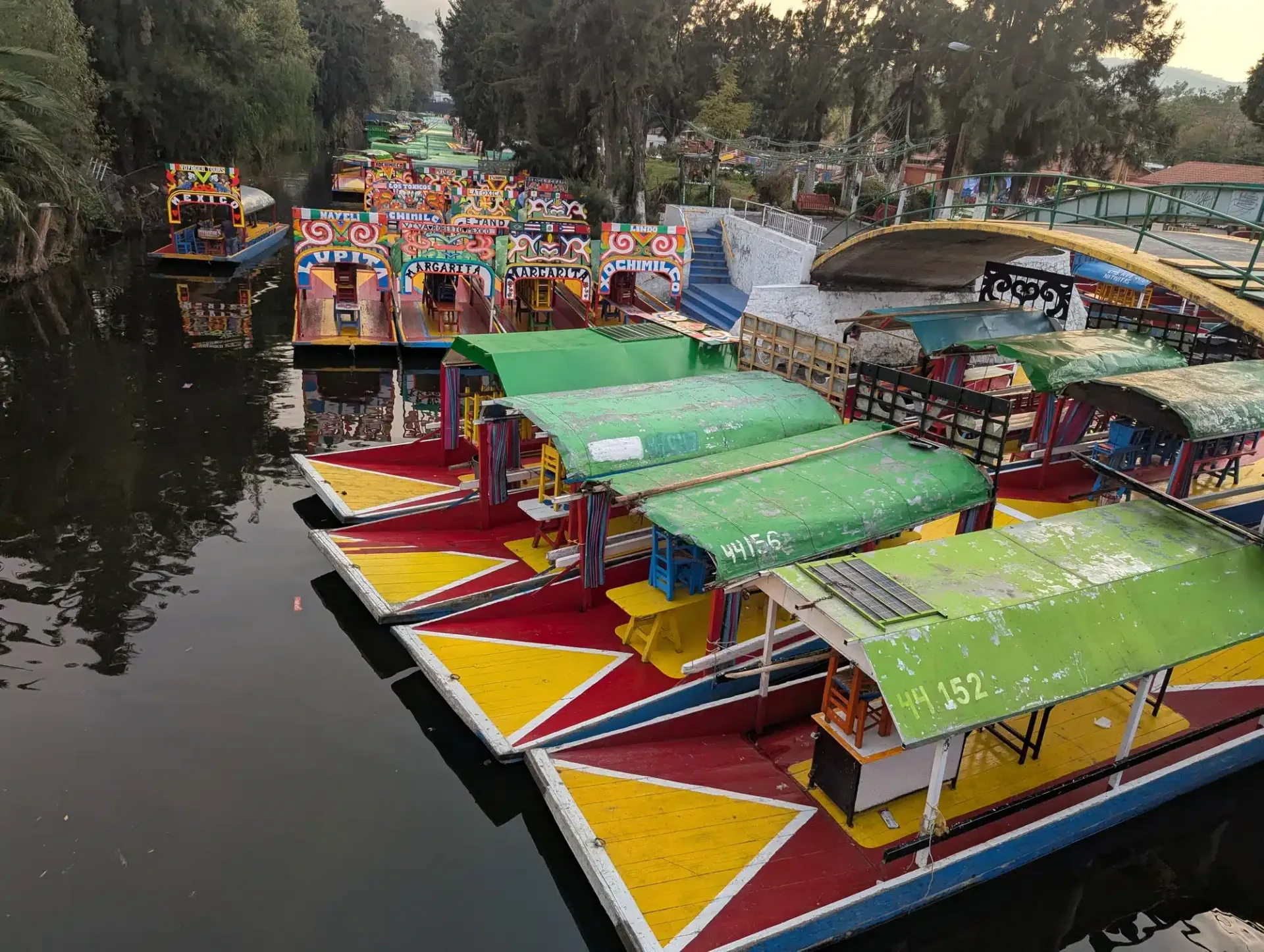
Add the canals when you have another day or deliberately want to replace a museum day. Choose the boat launch and the kind of trip before arranging transport. The city’s Cuemanco guide describes routes of different durations. Confirm the total boat price, hours, route and extras with the operator; do not mistake a group boat quote for a per-person fare.

LOCAL DISHES
What to eat without building the whole day around a queue
Treat meals as part of the route. A long detour for a famous counter has a real cost in a short trip, and a photograph of a dish is not proof that a venue is the right choice today. The city’s street-food introduction is a useful starting point for the different kinds of stalls. Ask what a dish contains rather than assuming every filling or garnish suits your diet.
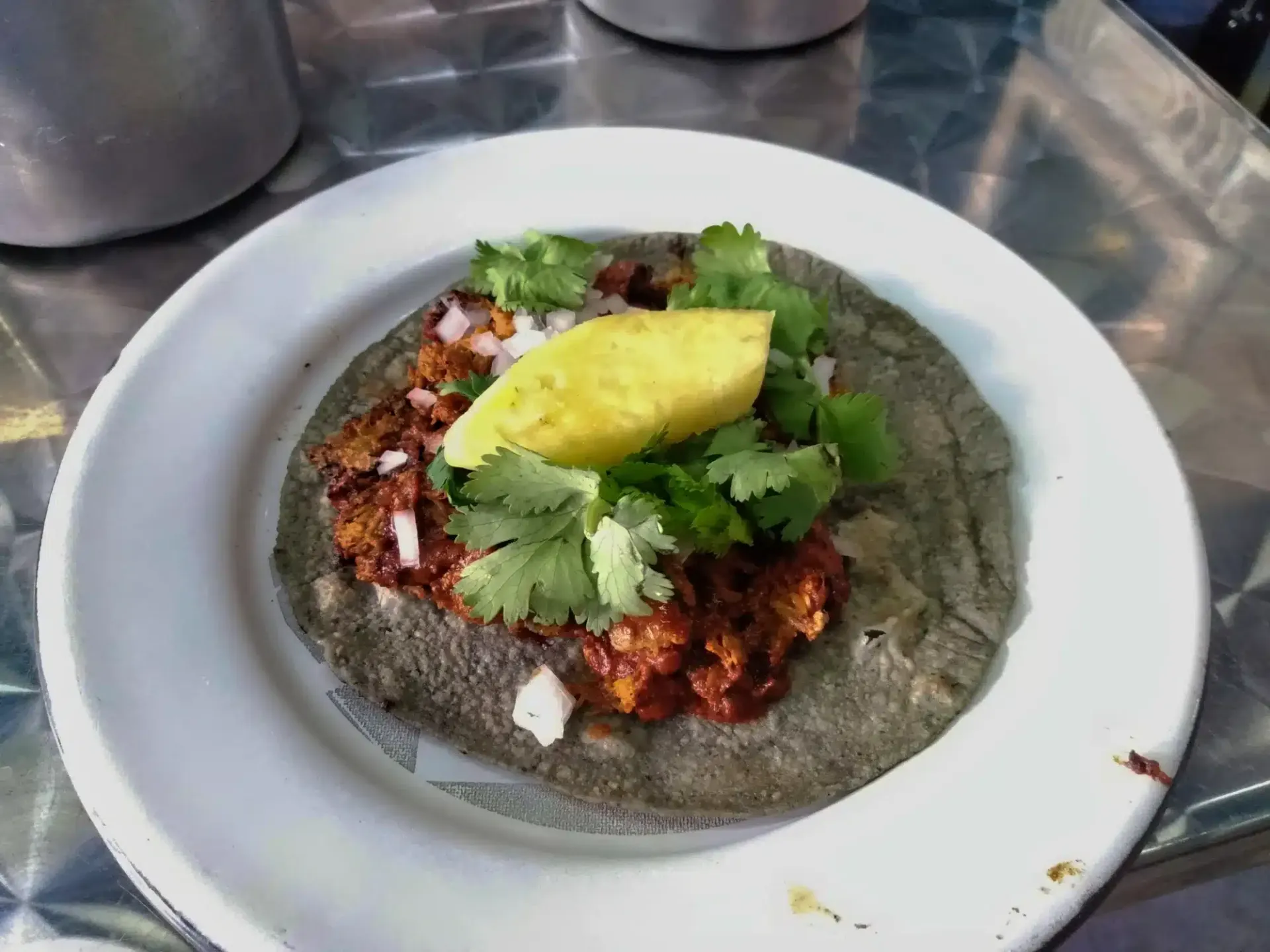
Tacos al pastor or tacos de guisado
Order a modest first round and add more once you know what you like. Al pastor centres on marinated spit-roasted meat; guisados offer different cooked fillings. Ask what is in the day’s options, keep salsa to a level you enjoy, and check the displayed price or ask before ordering. This leaves room to try something else later.
Tamales, atole and the guajolota
A tamal and a hot drink can be a simple breakfast before a walk. A guajolota puts the tamal inside a bread roll, making it a more substantial choice than it may first appear. Ask about the filling and whether the drink is sweetened. Buy the amount you actually want rather than treating breakfast as a tasting challenge.
Tlacoyos and quesadillas
Choose a filling first, then clarify cheese and other toppings. In Mexico City, asking explicitly for cheese avoids an assumption about what a quesadilla includes. Beans or another vegetable filling do not automatically make the whole preparation vegan: ask about the cooking fat, cheese and cream if those ingredients matter to you.
Esquites or churros
A cup of dressed corn or a small order of churros can be an afternoon pause rather than another full meal. Tell the vendor which toppings you want; check portion size before ordering several things at once. For a longer food-focused outing, use our Mexico City street-food guide instead of trying to turn every sightseeing stop into a separate restaurant reservation.

CONNECT THE NEIGHBOURHOODS
Arrivals and getting around
Start with the airport code. Benito Juárez International Airport is MEX/AICM; Felipe Ángeles is NLU/AIFA. A hotel transfer sold for one airport should not be assumed to serve the other. Check the code and terminal on your actual booking, then arrange an arrival you can follow while tired. No single transfer time fits every hotel or traffic condition.
For an AICM arrival, compare the official airport bus route with a door-to-door transfer. The airport publishes its authorised taxi operators; use the airport’s current signs and desks to confirm the destination, total and pickup point. For any booked vehicle, follow the provider’s current pickup instructions rather than assuming an old online meeting point still applies.
Airport bus fares are easy to confuse. Metrobús announced that the T1–T2 service became MXN6 per journey on 16 November 2026, while the airport service to/from Amajac remains MXN30. The interterminal reduction is not a MXN6 ride into the centre. Read the operator’s airport notice before choosing a service; these are different journeys.
Within the city, Metro lists a MXN5 fare per entry and Metrobús lists a regular MXN6 city fare. Keep an accepted payment method ready and consult the current route and service notices. An MI card is useful across the integrated network; do not assume that every payment option accepted by one service works on another.
Walk within an area, then use a connection between areas. Compare the whole journey: walking to a station, changing lines and reaching the final entrance all count. With luggage, small children or mobility needs, a simpler door-to-door trip may be worth more than the cheapest ticket. Do not book a day around an unverified lift or step-free entrance; ask the operator about the exact stations and venues.

SUGGESTED ROUTES
One, two or three days: build outward
These are suggested plans, not guided tours or promises of fixed travel times. Move the days to fit opening schedules and your reservations. Keep a meal and a rest stop in each plan. A late start should mean dropping a stop, rather than squeezing the same list into fewer hours.
Give the Centro your attention
Start at the Alameda and Bellas Artes, then continue through the Centro towards Madero and the Zócalo. Choose Templo Mayor as the main paid visit if the earlier city interests you and it is open. Pause for lunch close to the route. End with a second look at a street you liked, rather than crossing the city for a hurried final attraction.
Anthropology, then a different pace
Reserve the morning for the Anthropology Museum on an opening day. Decide which rooms matter most and allow your interest to set the pace. Afterwards, take a break in the Chapultepec area or continue to Roma/Condesa for a late meal and a local walk. Leave a second major museum optional: it should be a welcome choice, not an obligation.
Coyoacán around your Casa Azul slot
Arrange the day around your confirmed museum time, allowing room for the transfer and entry process. Explore nearby plazas and streets before or afterwards, and choose lunch locally. If Casa Azul is unavailable, decide whether a neighbourhood-focused day still appeals rather than buying an uncertain ticket from an unofficial seller. Avoid adding Xochimilco just because it also lies in the south.
Choose canals or follow a personal interest
Xochimilco deserves its own transport and boat plan. Agree on the launch, duration and what is included before setting out. If canals are not your priority, use the extra day for an exhibition, another district or simply somewhere you wanted to revisit. Gil’s Mexico City photo essay offers a slower way to think about the city’s everyday streets and details.

COSTS AND CHOICES
What to budget: separate tickets from daily spending
All figures here are Mexican pesos (MXN), checked against official information on 24 November 2026. They are individual fares or admission prices, not a total daily budget. Hotel rates, meals, transfers and temporary exhibitions vary too much to fold into a credible one-size-fits-all number.
For a simple transport comparison, four separate Metro entries at MXN5 total MXN20; four regular Metrobús rides at MXN6 total MXN24. That arithmetic excludes the card itself, any special fare and your airport journey. Check which service you actually need before choosing the apparently cheaper option.
The Anthropology Museum lists MXN210 general admission, with MXN105 for Mexican nationals and foreign residents. Templo Mayor lists MXN210 for foreign visitors and MXN105 for nationals, including the site museum. Do not extend one museum’s resident discount to another without checking. Sunday free admission at Anthropology is conditional on nationality or residency and the required documents, not a blanket offer to every tourist.
Confirm Casa Azul’s dated ticket total at its official checkout. For Xochimilco, ask whether the quote is for the whole boat and which extras cost more. Keep some small-denomination cash for places that do not accept your card, and ask the price before committing. A useful saving is fewer cross-city journeys; a useful splurge is a visit you can actually enjoy without watching the clock.
BEFORE YOU GO
The details that make the visit easier
Keep your accommodation address available offline, including the correct entrance. Download the route between your main stops, but treat a map as a place reference rather than a guarantee about an open gate or a working lift. Carry a charged phone and enough flexibility to change plans when a street, station or museum entrance is unavailable.
If you need step-free access, contact the museum or transport provider about the complete route: entrance, galleries, toilets and exit. A venue with some accessible areas may still have barriers elsewhere. Avoid promising yourself a seamless pavement journey simply because the map looks flat; examine crossings and the actual door-to-door distance.
For photos, follow each venue’s current rules on flash, equipment and permitted uses. A personal admission ticket is not permission for a commercial shoot. In churches, respect services and any photography restrictions. At markets or stalls, ask before making a person the subject of a photograph, and keep narrow working spaces clear.
Keep valuables secured in crowded places, pause somewhere suitable before concentrating on your phone, and choose a return journey you are comfortable following. For food, ask about ingredients and preparation when necessary; a busy stall is not a guarantee about allergens or hygiene. Carry drinking water and plan breaks, especially on an ambitious first day. Specific health or access needs are worth resolving with the relevant professional or operator before travel.
MAP SHORTLIST
Save the places, then build your own route
Open these searches before leaving your accommodation and save the exact entrance or meeting point separately. They are place searches, not live directions, confirmed reservations or an assurance that every entrance is open. Start with the stops for one area, then remove anything that turns an enjoyable day into a transfer schedule.
For the Centro, put the Alameda, Bellas Artes, Palacio Postal and Templo Mayor on the same map. For the western day, compare the Anthropology Museum with the part of Roma or Condesa where you want to eat. For the south, distinguish Casa Azul from the central plazas and, on a separate outing, the specific Xochimilco launch you have agreed with your operator.
LAST CHECKED 24 NOVEMBER 2026
Sources and what to recheck
Visitor planning draws on the Mexico City tourism board, UNESCO, the Anthropology Museum, INAH’s Templo Mayor listing and Museo Frida Kahlo. Transport prices come from Metro, Metrobús and the 18 November airport-service notice. The AICM operator directory supports the airport taxi reference.
Recheck holiday hours, temporary closures, admission eligibility and your selected ticket date before booking. Suggested routes and neighbourhood trade-offs are editorial planning advice; they are not claims of a recent personally tested visit. The photographs identify places or illustrate dishes, with dates noted where useful, and do not certify current queues, traffic arrangements or operating conditions.
Featured image: Parque México and the surrounding streets of Condesa, Mexico City. Photo: ProtoplasmaKid / Wikimedia Commons, CC BY-SA 4.0. Resized and converted to WebP; the image adaptation retains its source license.
