
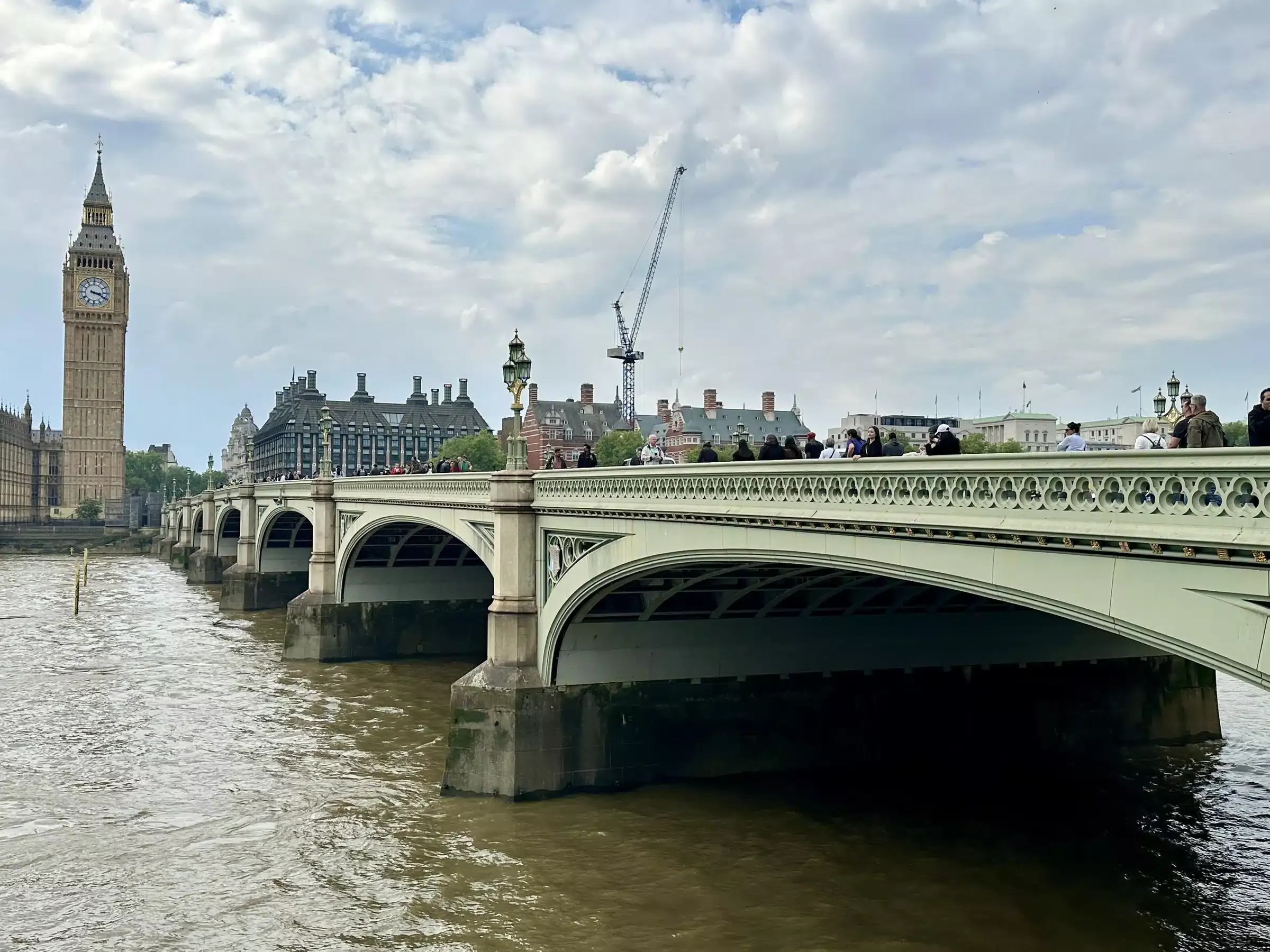
Visit London notes that the city has 32 boroughs, plus the City of London as a separate local authority, which helps explain why the city can feel like several cities in one.
Visit London recommends areas such as Covent Garden, Soho, South Bank, Westminster, and Mayfair for easy access to major sights, restaurants, and transport.
Transport for London says pay as you go on Tube, DLR, London Overground, Elizabeth line, and National Rail services in London can be paid by contactless or Oyster, and that this is the easiest way to travel.
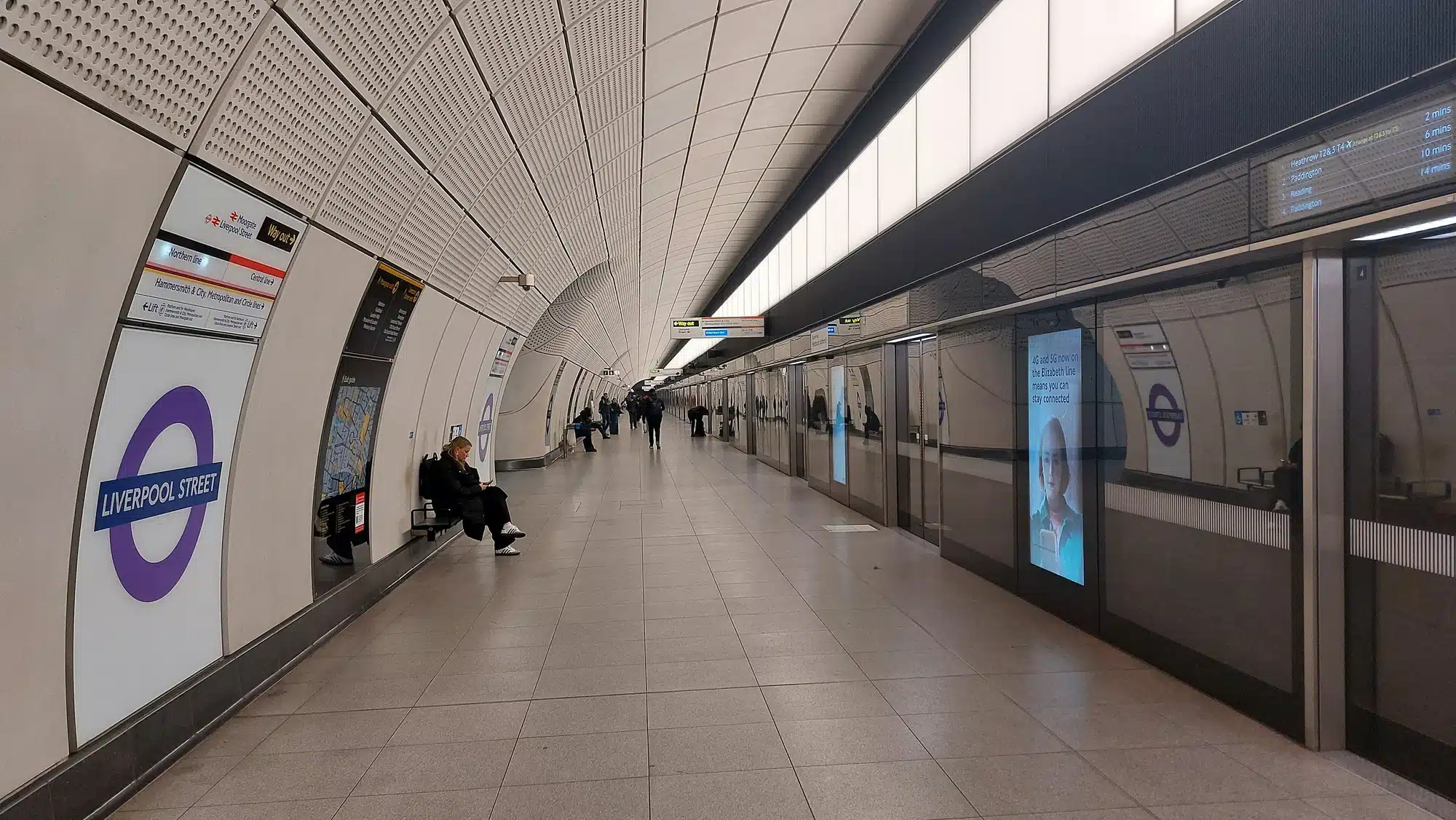
TfL says all 41 Elizabeth line stations are step-free from street to platform, and all DLR stations have step-free access from street to train.
London is a city of strong neighborhoods, fast rail links, and very different trip styles depending on where you stay and how you move. For first-time visitors, the main decisions are straightforward: choose a central base if you want to maximize sightseeing, use contactless or Oyster on most public transport, and decide whether you want the biggest landmarks or a more local neighborhood feel. This guide sticks to the practical essentials and uses official sources for the basics, so you can plan with fewer surprises.
When to go and how to think about the city
Start here
London works in every season, but the experience changes a lot. Visit London says the city has one of the mildest climates in the UK, though the weather is unpredictable, so layering matters year-round. For timing, the official tourism board says summer is the most popular season, while prices for flights and hotels tend to fall outside summer and holiday periods. If you want a distinct seasonal atmosphere, the run-up to Christmas from early November to late December is a strong choice because of lights and seasonal events.
For a first trip, it helps to think of London as a network of neighborhoods rather than one center. That is why the stay decision matters so much: a well-placed base can save a lot of time on trains and buses. If you are still deciding whether London should be a fast landmark trip or a slower neighborhood stay, the city can support both.
For broader trip framing, you may also want to compare London-specific support posts such as 5 Days in London: A Practical First-Time Itinerary and Contactless vs Oyster in London: What Visitors Should Use.
Best bases by trip style
Where to stay
Visit London recommends central areas such as Covent Garden, Soho, South Bank, Westminster, and Mayfair for first-time visitors who want easy access to major attractions and transport. It also points to Greenwich, Camden, Islington, and Brixton/Clapham for visitors who want a more local feel. The right base depends on whether your priority is sightseeing efficiency, nightlife, museums, food, or a quieter residential atmosphere.
Covent Garden
Good if you want a walkable central base with easy access to theatre, dining, and several classic landmarks. Visit London includes it among the most convenient central areas for first-time visitors.
Soho
A practical choice if you want restaurants, bars, and a very central location. It suits visitors who plan to stay out late and move around the West End by foot or Tube.
Westminster and South Bank
Useful if you want to be close to the Houses of Parliament, the river, and major sightseeing routes. Visit London highlights both areas for first-timers because they combine attractions with transport links.
Greenwich, Camden, Islington, Brixton or Clapham
These are better if you prefer neighborhoods that feel less like the tourist core. Visit London suggests them for travelers who want a more local experience, while still staying connected to the rest of the city.


The high-value sights and a few worthwhile deviations
What to do
If it is your first time in London, start with the city’s famous public spaces and river axis, then branch out if you have extra time. Visit London’s suggested one-day route centers on St James’s Park, Buckingham Palace, Westminster, the Houses of Parliament, Westminster Bridge, South Bank, and the London Eye. Its 48-hour route adds the Tower of London, the View from The Shard, Old Spitalfields Market, Brick Lane, Shoreditch, and Camden. The 3-day itinerary includes Walthamstow Wetlands, the William Morris Gallery, God’s Own Junkyard, and pie and mash in east London.
If you want to go beyond the obvious icons, Visit London’s museum and hidden-gem guides point to places such as Sir John Soane’s Museum, the Old Operating Theatre, Guildhall Art Gallery, and the Roman Amphitheatre. Those are not must-sees for everyone, but they are useful if you want a second layer after the headline landmarks.
Westminster to South Bank
Use this for a compact introduction to the city. The official route ties together Buckingham Palace, Parliament, Westminster Bridge, and the riverfront, which gives a good sense of how central London fits together.
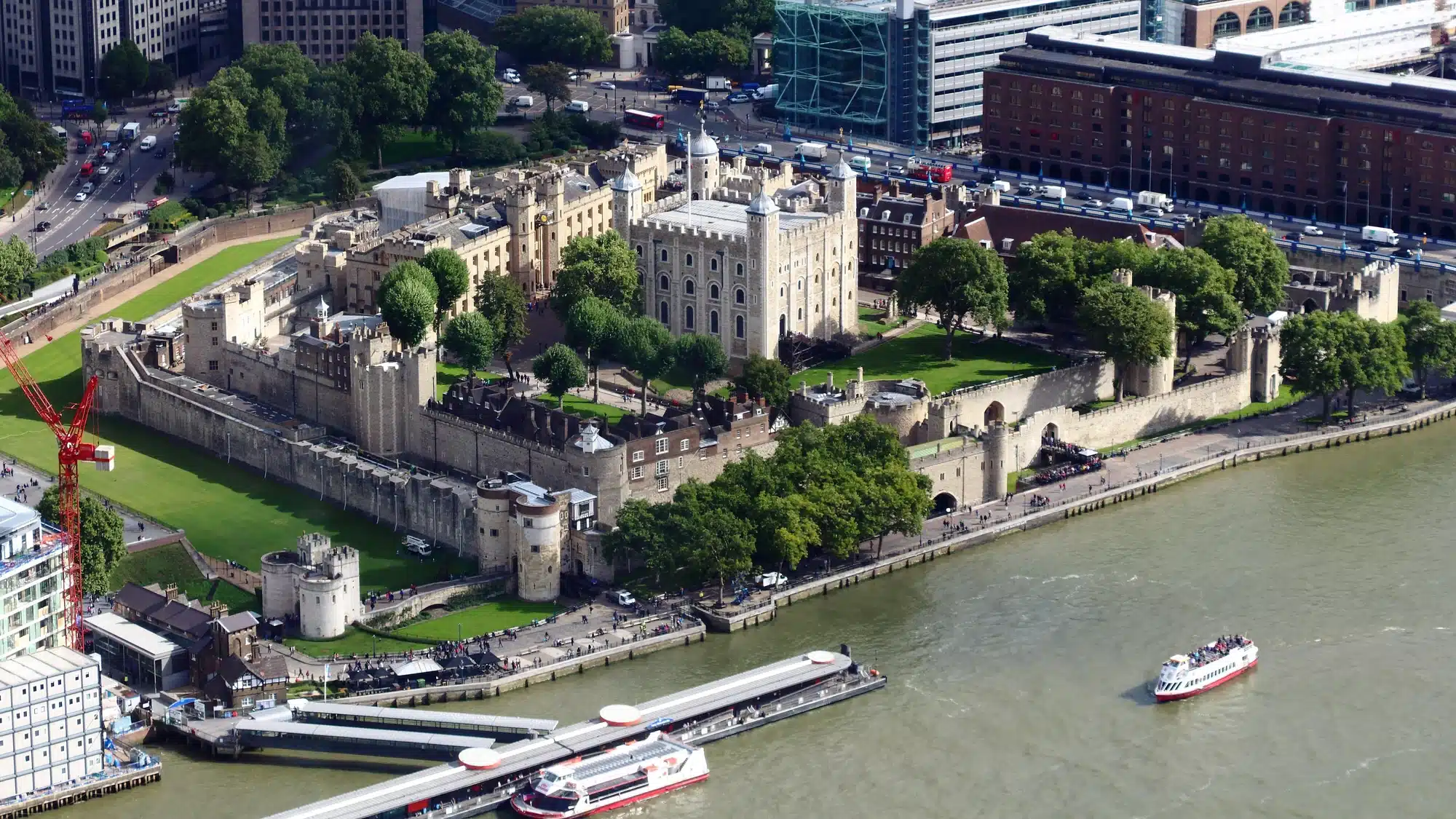
Tower of London
A strong choice for history-focused visitors. It also works well as part of a longer east-side day with the river and the financial district.
The View from The Shard
Useful if you want a high-level orientation over the city and river system. Visit London includes it in its 48-hour plan.
Sir John Soane’s Museum and the Old Operating Theatre
These are good examples of London’s smaller, more idiosyncratic museums. They suit travelers who want a second day beyond the standard checklist.

The dishes worth knowing before you arrive
What to eat
Visit London’s food guide names several dishes that are closely associated with the city’s food identity, including fish and chips, roast dinner, full English breakfast, pie and mash, and sticky toffee pudding. It also notes that food prices vary widely and that markets, food trucks, cheap afternoon tea, and inexpensive lunch spots can be lower-cost ways to eat well. London is not a city where every meal has to be expensive; the bigger question is whether you want classic pub food, market grazing, or a more formal meal.
Use the dishes below as a simple shortlist rather than a checklist. They are the kinds of meals that help a first trip feel anchored in local habits instead of only international restaurant styles.
Fish and chips
A classic London and UK staple: fried fish with chips, usually simple, filling, and easy to find across the city. Best understood as a straightforward comfort meal rather than a special-occasion dish.
Roast dinner
Often built around meat, potatoes, vegetables, and gravy. If you only have one more traditional meal in London, this is one of the most recognizable options.
Full English breakfast
Typically a substantial breakfast with eggs, bacon, sausage, beans, toast, and other additions depending on the café. It is useful before a long walking day.
Pie and mash
A very London-specific comfort food often associated with east London. Visit London includes it among the city’s signature dishes and also folds it into its 3-day itinerary.
Sticky toffee pudding
A well-known British dessert and an easy final-course order if you want something distinctly local after a pub meal.


The simplest transport strategy
How to get around
For most visitors, the simplest way to move around London is pay as you go with contactless or Oyster. TfL says this works across the Tube, DLR, London Overground, Elizabeth line, and National Rail services in London, and describes it as the easiest way to travel. Peak fares apply Monday to Friday, not on public holidays, from 06:30 to 09:30 and 16:00 to 19:00; off-peak applies at other times. TfL also notes an important Heathrow rule: Tube and Elizabeth line journeys to or from Heathrow are charged peak fares if they start, end, or go through Zone 1.
For airport arrivals, Heathrow says Heathrow Express is the fastest rail option to Paddington, with trains every 15 minutes and a 15-minute journey between Paddington and Heathrow Terminals 2 & 3. Heathrow also says the Elizabeth line reaches central London in under 40 minutes and serves Bond Street, Farringdon, Liverpool Street, Paddington, Stratford, and Tottenham Court Road. The Piccadilly line is the most affordable rail option and takes under an hour between Heathrow and central London.
For the other major airports, Stansted Airport says Stansted Express is the fastest train option, with Liverpool Street to Stansted taking 48 minutes and Tottenham Hale to Stansted taking about 36 minutes. Gatwick Airport says London is typically 30 to 45 minutes away by train with Southern, Thameslink, and Gatwick Express.
If you want a deeper decision tree, see Heathrow Express vs Elizabeth Line: Which Airport Transfer Should London Visitors Use? and Best UK Transport Apps for Tourists (2026 Guide).


Editorial sample plans for 1, 2, or 3 days
How to structure your time
These are editorial suggestions, not official itineraries. They are designed to reduce backtracking and to match common first-time priorities: landmarks first, then one neighborhood-heavy day, then a slower or more niche third day.
Westminster, the river, and one skyline stop
Start in Westminster, walk through St James’s Park and past Buckingham Palace, continue through Parliament to Westminster Bridge, then spend the afternoon on the South Bank. If you still have energy, finish with a single viewpoint or museum stop rather than trying to cross the whole city.
Add the Tower and an east London neighborhood
Keep day one focused on central London. On day two, add the Tower of London, then move east for Old Spitalfields Market, Brick Lane, or Shoreditch. This gives you a better mix of historic and contemporary London without making the trip feel rushed.
Mix icons with a more local third day
Use the first two days as above, then spend the third on a quieter or more specific interest: Walthamstow Wetlands, the William Morris Gallery, God’s Own Junkyard, or a food-focused east London day. Visit London’s own 3-day itinerary points in this direction with pie and mash as part of the mix.
Where London gets expensive and where it does not
Money and value
London can be expensive, but costs are uneven. Visit London’s food guidance is useful here because it points to lower-cost options such as markets, food trucks, cheap afternoon tea, and inexpensive lunch spots. Transport spending can also be managed well if you use contactless or Oyster and pay attention to peak times. That matters more than trying to fine-tune every journey in advance.
For many visitors, the biggest value decision is not whether London is expensive in the abstract; it is whether you stay centrally and save transport time, or stay farther out and spend more time commuting. Central bases usually cost more per night, but they often reduce the number of rides you need each day. If your schedule is short, that trade-off can be worth it.
If you want more support on fare choices, compare this guide with Contactless vs Oyster in London: What Visitors Should Use.
Accessibility, weather, and a few useful habits
Practical notes
London is generally easy to navigate, but the details matter. TfL says all Elizabeth line stations are step-free from street to platform and all DLR stations have step-free access from street to train. TfL also says that if a lift is out of service and a step-free journey cannot be completed, staff can help find an alternative route and may book a taxi or accessible taxi if there is no suitable public-transport option. That makes newer lines particularly useful for travelers with mobility needs, heavy luggage, or strollers.
Weather can change quickly, so pack for layering and rain rather than any single season. Visit London’s official guidance is clear that the city’s weather is unpredictable. For staying connected, consider reading How to Get Internet While Traveling Abroad if you want a practical overview of SIM and connectivity choices before arrival.
London is also a city where small planning choices matter: choose your base by neighborhood logic, know which airport link you are actually taking, and avoid assuming all central journeys are interchangeable. A bit of route planning goes a long way.

Useful searches to save before you go
Map links
These are simple Google Maps searches for the main areas and landmarks mentioned in this guide.
Primary sources used for this guide
Sources
This guide relies on official and operator sources for the practical claims: Visit London for neighborhood guidance, seasonality, food, and example itineraries; Transport for London for fares, payment methods, and accessibility; Heathrow, Stansted Airport, and Gatwick Airport for airport-transfer guidance. Supporting WanderHackr reading is linked in the relevant sections above.
- Visit London: London areas
- Visit London: Weather
- Visit London: Best time to visit London
- Visit London: Food and drink
- Visit London: One day in London itinerary
- Visit London: 2 day London itinerary
- Visit London: Three days in London itinerary
- Transport for London: How to pay for your travel
- Transport for London: Tube and rail fares
- Transport for London: Help from staff and step-free travel
- Heathrow Airport: By rail or train
- Stansted Airport: By train
- Gatwick Airport: Train options
Featured image: Photo: APK / Wikimedia Commons, CC BY 4.0. Resized and converted to WebP; the image adaptation retains its source license.
