Five days in London gives you enough time to see the landmarks that made you book the trip without spending the whole visit racing between Tube stations. The key is to group each day by area. This itinerary keeps long cross-city journeys to a minimum, leaves room for meals and weather changes, and includes a mix of major sights, markets, museums and neighborhoods.
The route is designed for a first visit and works in any season. You can follow it in order or move the days around to match ticket availability. Check official opening calendars before you pay for anything, especially for Westminster Abbey, the Tower of London and ceremonial events.
At a glance
- Day 1: Westminster, St James’s and the South Bank
- Day 2: The City, Tower of London and Borough Market
- Day 3: British Museum, Covent Garden, Soho and the West End
- Day 4: Notting Hill, Kensington and the museum district
- Day 5: Greenwich, the Thames and a final London evening

Before your five days in London
Where to stay
For this route, a hotel near the Circle, District, Jubilee, Central or Elizabeth lines makes daily travel easier. Westminster and Covent Garden are convenient but often expensive. Paddington, Earl’s Court, King’s Cross and Southwark can offer a better balance of connections and room rates. Check the last part of the journey on a map before booking: a cheaper hotel can lose its advantage if it requires two changes every morning.
How to pay for transport
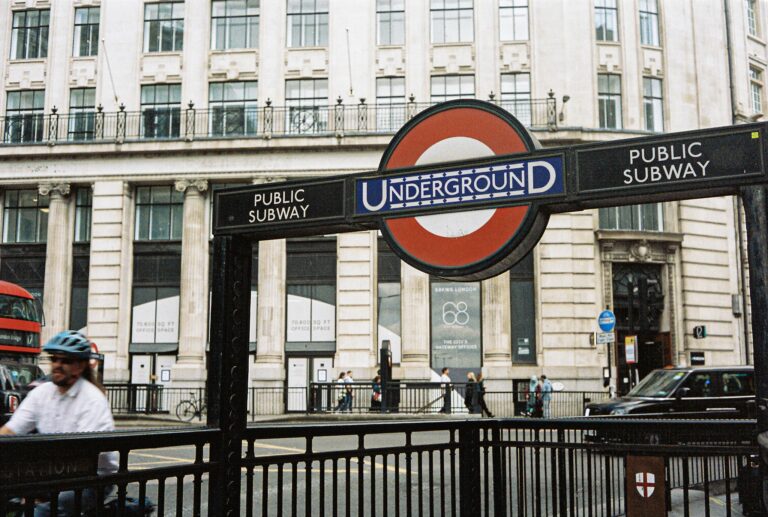
Most visitors can use a contactless bank card, phone or Oyster card for pay-as-you-go travel. Use the same card or device every time you touch in and out so the system can apply the correct fare and daily cap. A phone and its physical bank card count as different devices even when they connect to the same account. Review the current rules on the official Transport for London payment page, and check whether your bank adds foreign transaction fees.
Download TfL Go for live routes and service updates. Our guide to the best UK travel and transport apps explains which tools are useful beyond London too. Walk when two stops are close; many central stations look farther apart on the Tube map than they are on the street.

What to reserve first
Book only the places you care about enough to build a day around. Westminster Abbey and the Tower of London are the two highest-priority reservations in this itinerary. A London Eye ride, a West End show and the Royal Observatory are easier to fit around them. Free museums may still recommend timed entry. Keep confirmation emails together and leave at least 30 minutes between a timed attraction and any journey you cannot control.
Day 1: Westminster, St James’s and the South Bank
Morning: Westminster Abbey and Parliament Square
Start at Westminster Abbey near its first visitor entry. The church is still a working place of worship, so public hours can change for services and special events. The Abbey recommends advance booking during busy periods; use its official visitor page for the calendar and tickets.
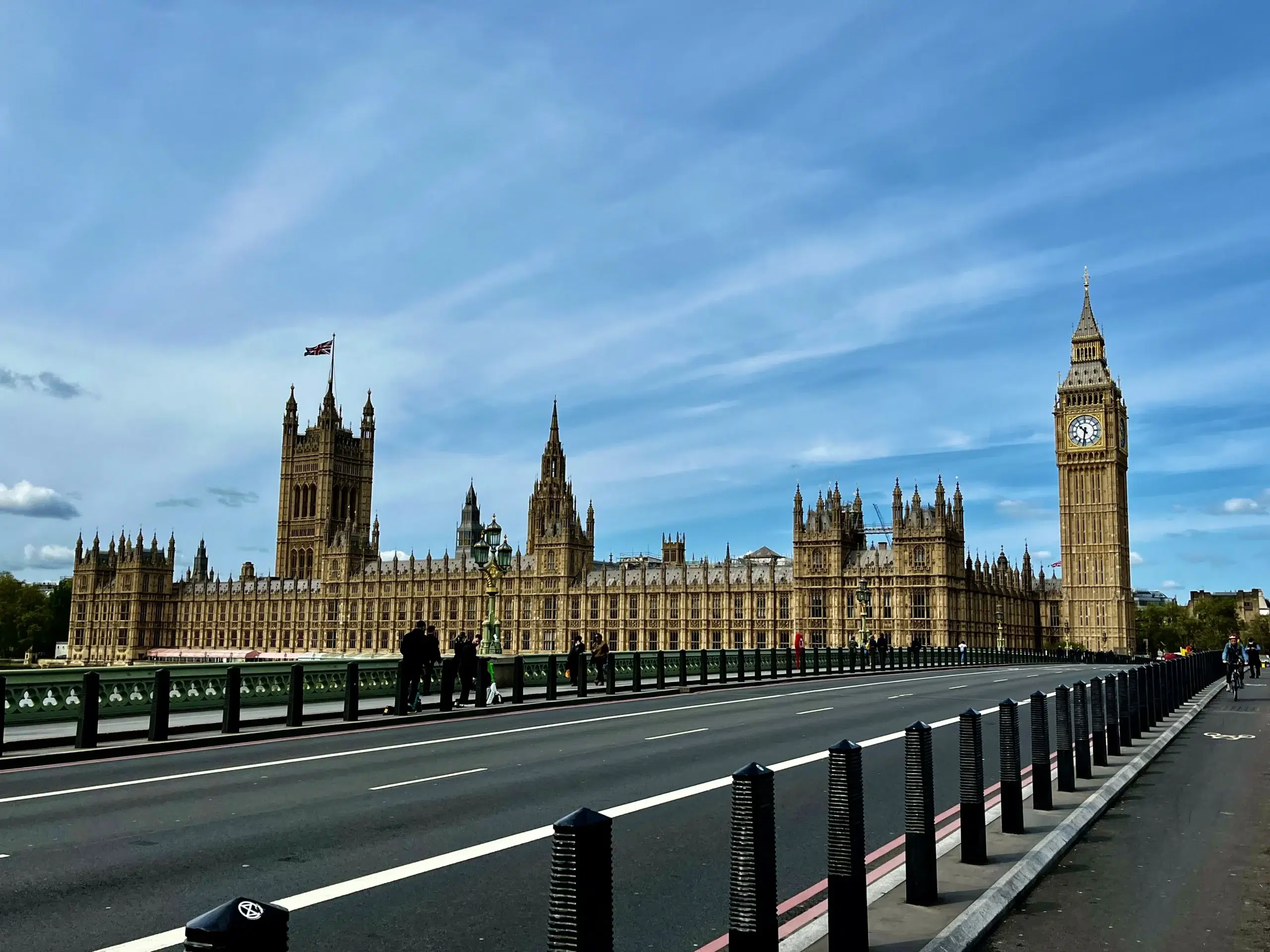
Allow about 90 minutes to two hours inside if you want time for Poets’ Corner, the Coronation Chair and the memorials. Afterward, walk around Parliament Square for views of the Palace of Westminster and Elizabeth Tower. Big Ben is the Great Bell inside the tower, although the nickname is commonly used for the whole landmark.
Midday: St James’s Park and Buckingham Palace
Walk through St James’s Park toward Buckingham Palace. If Changing the Guard matters to you, plan this day around the official schedule rather than assuming it happens every morning. Dates can change, weather can affect the ceremony and a Captain’s Inspection is not the same event. Check the Household Division calendar shortly before your visit.
Do not sacrifice the whole morning for a crowded view unless the ceremony is a priority. The Mall, St James’s Park and the palace exterior make a good route even when no ceremony is scheduled. From the palace, continue through Green Park or return toward Westminster for lunch.
Afternoon and evening: London Eye and South Bank
Cross Westminster Bridge and follow the river east. The London Eye is worth booking if a high view is on your list, but the riverside walk works without it. Continue past the Southbank Centre and National Theatre toward Tate Modern. Street activity varies with the day and weather, while the river views remain good even on a short winter afternoon.
If you still have energy, cross the Millennium Bridge for a view of St Paul’s Cathedral. Save a full cathedral visit for another trip or replace the London Eye with it; doing both paid interiors on this day makes the schedule rushed. Finish around the South Bank, Borough or Covent Garden rather than adding another distant neighborhood.
Day 2: Tower of London, the City and Borough Market
Morning: Tower of London
Book an early Tower of London entry and go to the Crown Jewels before the largest queues form. A Yeoman Warder tour is included with regular admission and adds the stories that make the fortress easier to understand. Give the Tower at least three hours if you want the Crown Jewels, White Tower, walls and a tour without watching the clock.
Opening hours and last entry vary by date. The official Tower of London visitor page publishes the current schedule, inclusions and ticket options. Avoid old prices from blogs; admission has changed more than once since this article was first published.
Midday: Tower Bridge and the riverside
Walk to Tower Bridge after the fortress. Crossing at road level is free. Buy an exhibition ticket only if you want the glass walkways and Victorian Engine Rooms; check the official Tower Bridge information for current access.
On the south side, follow the Thames Path west past City Hall, HMS Belfast and the old wharves. This section is compact and photogenic, with frequent places to stop. It also avoids an unnecessary Tube ride.
Lunch: Borough Market
Borough Market is beside London Bridge station. It is free to enter, but the busiest period can be uncomfortable if you arrive hungry with no plan. Walk once through the market, compare the queues and choose one or two things rather than trying to sample everything. The market is normally closed on Mondays and keeps shorter Sunday hours, so confirm the day on the official opening-times page.
A supermarket meal deal is a useful backup when queues or London food prices get in the way. If you have never bought one, see our explanation of how UK meal deals work and our current meal-deal price comparison.
Afternoon: the City of London
Cross London Bridge into the City and choose one route. For architecture, walk past the Monument, Leadenhall Market and the modern towers around Bank. For history, continue toward St Dunstan in the East and the Guildhall area. For a skyline view, reserve Sky Garden or check the access rules for The Garden at 120. Free viewpoints still have capacity limits and may close for private events.
End at St Paul’s Cathedral or cross Millennium Bridge to Tate Modern. If you visited Tate on Day 1, stay north of the river and explore the lanes around St Paul’s instead.


Day 3: British Museum, Covent Garden and Soho
Morning: British Museum
Start at the British Museum when the galleries open. General admission to the permanent collection is free, and the museum recommends reserving a free timed ticket for priority entry during busy periods. Check the official visit page for opening hours, gallery closures and ticket availability.
Trying to see the entire collection is exhausting. Pick three or four areas in advance, or use one of the museum’s object trails. Two to three hours is enough for a focused first visit. If museums are not your priority, replace this with the National Gallery, the Churchill War Rooms or a slow morning in Bloomsbury.
Lunch and afternoon: Seven Dials and Covent Garden
Walk south through Bloomsbury to Seven Dials and Covent Garden. The covered market buildings are attractive, but the surrounding streets are the real advantage: Neal’s Yard, independent shops, cafés and small theaters are all within a short walk. This is a good day to slow down after two landmark-heavy schedules.
Continue to the National Gallery if you want more art, or follow the pedestrian route through Leicester Square and Chinatown. These areas are busy and commercial, so treat them as a connector between places rather than a list of attractions to complete.
Evening: Soho or a West End show
Have dinner in Chinatown or Soho and book a West End performance if theater matters to you. Compare the final ticket price, seat view and running time before buying. A show can finish late enough that you will want a direct route back to your hotel.
If you skip the theater, walk through Soho toward Carnaby Street and Regent Street, then finish in a pub or small restaurant away from the busiest squares. Piccadilly Circus takes only a few minutes to see and does not need its own block of the itinerary.
Day 4: Notting Hill, Kensington and the museums
Morning: Notting Hill and Portobello Road
Begin around Notting Hill Gate and walk toward Portobello Road. Friday and Saturday have the fullest market offering; Saturday is also the busiest day. Other weekdays have a smaller mix of produce, household goods and occasional vintage stalls. The official Portobello market guide explains what trades on each day, so move Day 4 if the market is important to you.
The pastel houses are people’s homes. Photograph from the public pavement, keep doorways clear and avoid treating private steps as sets. For a quieter walk, branch into the side streets and continue south toward Kensington Gardens.
Midday: Kensington Gardens
Cross Kensington Gardens past the Italian Gardens, Serpentine and Albert Memorial. The route provides a useful outdoor break and connects Notting Hill with South Kensington without another train. In wet weather, take the Tube to South Kensington and give the museum district more time.
Afternoon: choose one South Kensington museum
The Natural History Museum, Victoria and Albert Museum and Science Museum sit close together, but each can fill half a day. Choose one based on your interests. The Natural History Museum is the obvious first choice for dinosaurs, earth science and the architecture of Hintze Hall. The V&A is strongest for art, design, fashion and decorative objects. The Science Museum works well for technology, medicine and family exhibits.
General admission is free, while some exhibitions charge and may require reservations. Check the chosen museum’s official site on the morning of your visit for timed-entry advice and temporary closures.
Evening: Knightsbridge, Chelsea or a quiet reset
After a large museum, keep the evening flexible. Walk toward Knightsbridge if you want department stores, or head south to Chelsea for dinner. This is also the best night to return early, do laundry and reorganize before the final day. A five-day itinerary works better when every evening is not treated as another full sightseeing shift.
Day 5: Greenwich and the Thames
Morning: arrive by river or DLR
Greenwich feels different from central London and still keeps your fifth day inside the city. Take the DLR for an easy trip through Docklands, or use a scheduled river service if the weather and budget suit it. River fares and ticket rules differ from the Tube, so check the operator rather than assuming your normal daily cap covers the journey.
Start around the Cutty Sark and Old Royal Naval College, then walk through Greenwich Market. The National Maritime Museum and Queen’s House offer free permanent collections and are useful in poor weather.
Afternoon: Greenwich Park and the Prime Meridian
Climb through Greenwich Park for one of the best broad views back toward Canary Wharf and central London. The viewpoint outside the Royal Observatory is free. Entry to the historic Observatory and Prime Meridian courtyard requires a ticket, and advance booking is recommended. Check the Royal Observatory visitor page because closures and seasonal hours can change.
If the hill or ticketed Observatory does not appeal, stay lower in the park and spend longer at the maritime museums. Allow enough time to return before the commuter rush if you are traveling with luggage or small children.
Final evening: choose your own London
Return by river for a last moving view of the skyline, or take the DLR and Tube to revisit the neighborhood you liked most. Keep this final evening unbooked unless you have a specific restaurant or show in mind. It gives you a buffer for anything weather, closures or jet lag pushed out of the first four days.
Useful swaps and alternatives
Harry Potter Studio Tour
The Warner Bros. Studio Tour is outside central London and takes most of a day once transport is included. If it is a priority, replace Day 4 or Day 5 rather than squeezing it into an evening. Tickets sell in timed slots and must be bought ahead from the official tour. Trains run from London Euston to Watford Junction, followed by a dedicated shuttle.

Windsor instead of Greenwich
Choose Windsor if a royal castle matters more than another London neighborhood. Make it a complete replacement for Day 5 and check the official castle calendar before buying train tickets; parts of the site can close for ceremonies or state use. Bath and Stonehenge are possible from London, but combining both creates a long day and weakens a first five-day city itinerary.
A rainy-day version
Move the British Museum or South Kensington museum day to the wettest forecast. Westminster Abbey, Tower of London and the markets still involve outdoor queues and walks, so waterproof shoes and a compact umbrella help more than a complicated backup schedule. London weather can change several times in one day; a shower does not need to cancel the route.
Common planning mistakes
- Booking attractions in opposite parts of the city: group tickets by neighborhood before choosing times.
- Using a different card or device: TfL cannot combine those journeys for fare capping.
- Assuming every market is fully open every day: Borough closes on regular Mondays, while Portobello changes by weekday.
- Planning every meal: reservations remove flexibility when an attraction runs late.
- Carrying large luggage: museums and attractions use bag checks and may reject oversized items.
- Ignoring walking time: five days in London can easily mean 15,000 to 25,000 steps a day.
Five days in London FAQ
Is five days enough for London?
Five days is enough for a strong first visit. You can cover the central landmarks, two museum areas, several neighborhoods and Greenwich without taking a day trip. It is not enough to see every major museum or palace, so choose priorities instead of collecting attractions.
Do I need an Oyster card?
Not necessarily. A compatible contactless bank card or mobile wallet can pay adult pay-as-you-go fares. Oyster remains useful if your card is not accepted, your bank charges foreign transaction fees or you qualify for a discount that must be loaded onto Oyster. Always use one payment method consistently.
Which London attractions should I book in advance?
Reserve the Tower of London, Westminster Abbey, any West End show and the Warner Bros. Studio Tour if you choose it. Timed tickets are also sensible for the London Eye and Royal Observatory. Free museums may recommend reservations during busy periods, but walk-up entry is often possible when capacity allows.
Should I buy a London sightseeing pass?
Only after totaling the attractions you will realistically visit. A pass can save money on a concentrated paid-sightseeing day, but it can also encourage rushed travel. Compare the pass price with direct official tickets and confirm whether timed reservations are still required.
What is the best day for Borough Market and Portobello Road?
Borough Market trades Tuesday through Sunday under its regular schedule and is busiest around lunch and on Saturdays. Portobello has its fullest street market on Friday and Saturday, with Saturday the busiest. Move the relevant itinerary days to match your travel dates.
A practical finish
The best five-day London itinerary is the one that still has room for a delayed train, a long lunch or a museum you enjoy more than expected. Reserve the handful of experiences that can sell out, group the rest by neighborhood and leave one evening flexible. You will see more of the city by walking a coherent route than by chasing another attraction across town.
Before leaving each morning, check TfL service updates and the official page for your first ticketed attraction. Those two minutes of planning prevent most avoidable disruptions while keeping the rest of the day open.