
A Europe rail pass can make an ambitious trip easier. It can also turn a perfectly affordable itinerary into an expensive collection of unused travel days. The useful question is whether the pass covers the trains you actually want, at a total you are happy to pay.
Quick answer: compare the price of the whole pass plus required reservations and uncovered journeys with bookable individual tickets for the same trip. Then decide what the remaining flexibility is worth to you. A pass is a way to buy travel, not a promise that every train will be available.
There is an important naming update, too. Eurail became Interrail in September 2026. This guide uses both names to help readers arriving from older recommendations, and checks the current rules as of 17 November 2026. It compares standard passes; the separately priced Plus Pass is explained below.
Eurail is now Interrail: what changed in 2026
The old shortcut was “Eurail for residents outside Europe, Interrail for European residents.” For a new purchase, that advice is out of date. Interrail’s official announcement confirms that the brands became one product on 9 September 2026. Travellers now buy an Interrail Pass wherever they live.
If you already have a Eurail Pass, the same announcement says that previously issued mobile and paper passes remain valid. You do not need to replace one merely because its name has changed. The conditions page also separates purchases before 10 September 2026 from newer ones. Use the version that applies to your purchase.
Your country of residence still matters. Enter it accurately rather than choosing a country because it displays a cheaper offer. The current conditions define residence by where you live when the pass’s validity begins and explain the evidence required when that differs from your passport.
Choose the coverage and the days before comparing prices
Start with a rough itinerary: overnight stops, major train journeys and the dates on which you expect to move. You need enough detail to test the product, without booking every coffee break.
A Global Pass is the option to investigate for a trip across several covered countries. A One Country Pass is worth comparing when most of your rail travel stays within one country. Check the participating-company list for each intended service: the word “Europe” on a pass does not make every operator or airport connection part of it.
A Flexi Pass gives you a specified number of travel days within a longer validity window. A Continuous Pass makes every day in its validity window a travel day. Five days in a month is therefore different from a month of daily travel. Count your likely moving days before paying for the larger product.
For residents of a country in the pass network, a Global Pass normally permits one outbound and one inbound journey in that home country, using the pass’s travel days. It is not unrestricted domestic travel. Interrail’s home-country guidance explains the rules and possible pilots. These restrictions do not apply if you live outside the network; someone resident in Mexico should not read a UK-resident example as their own eligibility rule.
Check the reservation before believing the flexibility
A standard pass and a seat reservation are separate things. Interrail’s reservation guide says many high-speed and night trains require an additional reservation. If your chosen service requires one, recording the train in the app does not replace it.
Search the exact departure you want and check the passholder option, the accommodation and the final supplement. A public ticket still being on sale does not establish that you can book the equivalent passholder reservation. If the necessary reservation is unavailable, price a realistic alternative before committing to the pass.
For busy routes, Interrail recommends reserving early and offers a timetable filter for services without seat reservations. Its busy-route guidance is useful when planning around popular international trains. A slower alternative may fit beautifully into your trip; it may also use hours you had intended to spend in the destination. Compare the resulting day, not just the supplement.
Book the product you need. A seated night-train reservation and a sleeping berth are different purchases. Our European night-train guide covers routes and accommodation in more detail.
Use this break-even calculation for your own itinerary
Total pass cost = pass purchase price + compulsory reservations and supplements + journeys the pass does not cover. Add any booking fees shown at checkout. Compare that with the total of individual tickets you can actually buy for the same passengers, dates, class and route. Include compulsory reservations and booking fees in those individual-ticket totals, too; avoid adding a reservation twice if it is already bundled.
Here is an arithmetic example for one adult in second class, making five journeys on five separate travel days. Every amount below is invented to demonstrate the method. These are not live fares, an advertised pass price or quotes for a named route. The hypothetical pass costs €300; its five reservations cost €10 each. Neither option needs an uncovered connecting ticket.
| Journey | Individual tickets: scenario A | Individual tickets: scenario B | Pass reservation |
|---|---|---|---|
| 1 | €35 | €80 | €10 |
| 2 | €45 | €95 | €10 |
| 3 | €25 | €60 | €10 |
| 4 | €30 | €85 | €10 |
| 5 | €50 | €105 | €10 |
| Totals | €185 | €425 | €50, plus €300 pass |
The pass total is €350. It costs €165 more than scenario A’s individual tickets and €75 less than scenario B’s. Neither result proves that passes generally save or waste money. Your bookable prices decide which comparison resembles your trip.
The same example gives a useful threshold: €350 divided by five used travel days is €70 per used day, including the assumed reservations. Compare a day with several connections against the tickets for all those legs, not just one. If you buy more pass days than you use, divide the whole purchase price by the days you will use; the unused days do not become savings.
Keep flexibility comparable. If the individual tickets are fixed-departure, non-refundable offers, label that trade-off. You can reasonably pay extra for changeable plans. Put a figure on that premium instead of calling it a cash saving.
When a pass makes sense—and when individual tickets deserve a look
The traveller with several substantial rail days: a pass deserves a serious comparison when much of the trip involves longer journeys and you have confirmed the necessary reservations. Price the whole itinerary first. A single cheap segment does not settle the decision.
The traveller who wants to decide along the way: flexibility can have real value if you are happy choosing among the services available. Test that freedom against your must-do journeys. A trip dependent on one particular reserved international train is less open-ended than the map suggests.
The traveller with two fixed intercity moves: individual tickets deserve an early look. You may be able to buy exactly the journeys you need without paying for a wider travel window. Check advance offers directly with the operators, keeping their change and refund rules beside the price.
A mixed approach is perfectly sensible: pay separately for a short inexpensive ride and keep a pass day for a more valuable journey. Decide this before adding the cheap ride to the pass. Once a day is consumed, its remaining theoretical capacity does not put money back in your account.
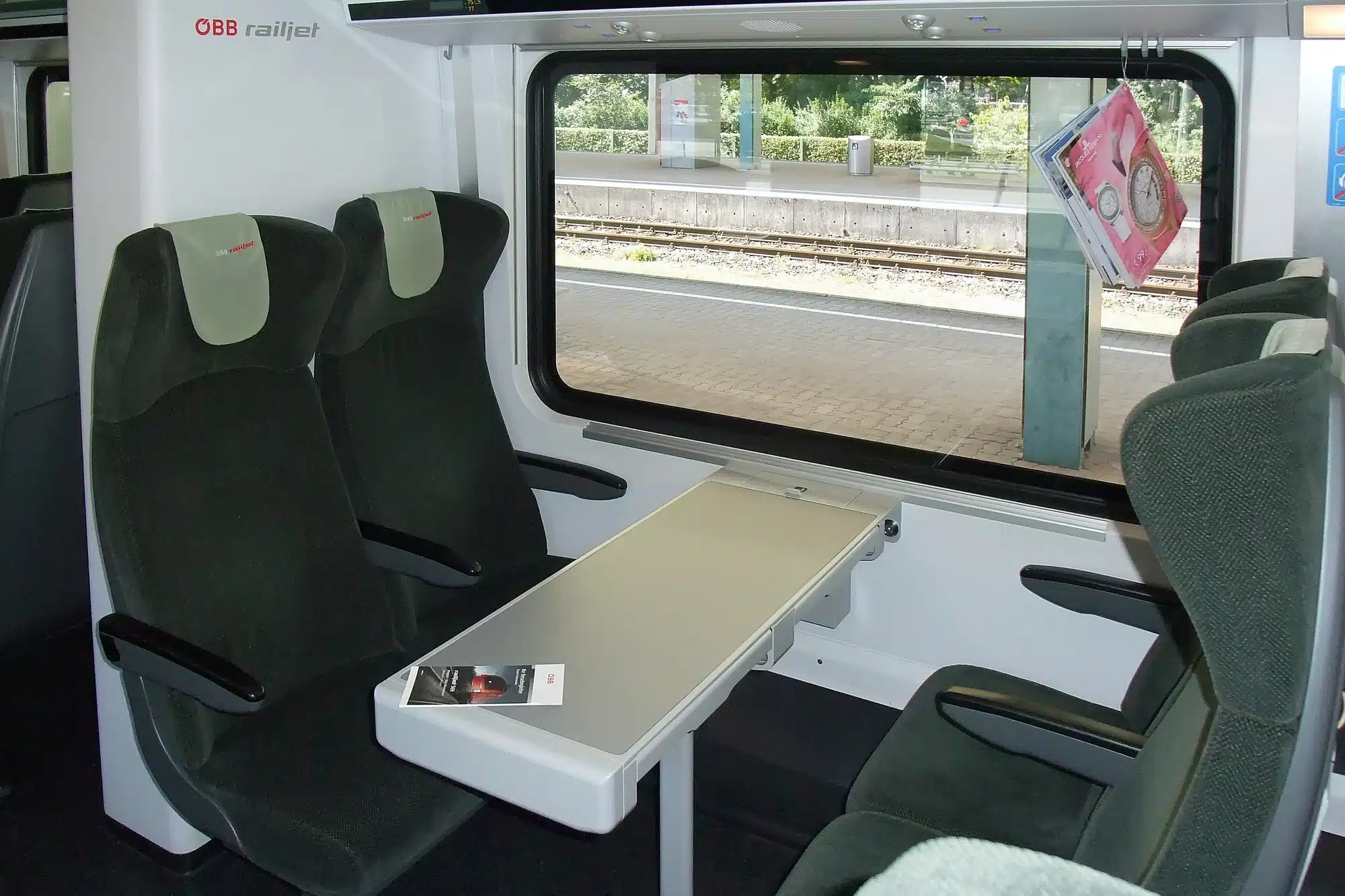
A travel day follows the calendar, not your first departure
Under the current travel-day guidance, a day runs from midnight to 23:59 local time. It is not a rolling 24 hours starting when you board. A morning connection and an afternoon train can use the same day if both fall within its rules and your coverage.
For a direct overnight train, only the departure day normally uses a Flexi Pass travel day. If you change trains after midnight, another travel day is needed. The arrival must still fall within the pass’s overall validity. Your final unused Flexi day and the final date of that validity window are two different limits; check both before booking an overnight arrival.
If you are comparing an overnight journey with a daytime alternative, use our night train versus day train cost comparison. A hotel night genuinely removed belongs in that decision. It is not an automatic discount on every pass journey.
Set up the mobile pass before the platform gets busy
Follow Interrail’s mobile-pass instructions: add the pass to Rail Planner, connect a trip, activate the pass with the matching identity document and start date, then add the actual journey to the pass. Before boarding, make sure you can display the ticket for the correct date and train.
A journey saved in your planning list is not the same as one added to your pass ticket. Keep the compulsory reservation available separately, too. Practise those two checks before the first departure, when you can still sit down and fix a typo.
For new passes governed by Version 19 of the conditions, internet is required to activate the pass and travel days and to add journeys. After adding a journey, you can present the ticket offline if the app has been online within the previous 24 hours. Carry enough battery power. Those conditions require the live pass in the app; a screenshot is not a substitute.
Keep a connection available before leaving your accommodation, rather than assuming every platform has usable Wi-Fi. If you have an older Eurail product, check its own applicable instructions and conditions instead of relying on a newly written guide.
Check age, refunds and the separate Plus Pass product
Use the traveller’s age at the start of the trip when pricing. The standard Global Pass conditions list Youth for ages 12–27 and Senior from 60. Children aged 4–11 can travel on a free Child Pass with an eligible accompanying adult, youth aged 18 or over, or senior, up to two children per accompanying passholder. Add the Child Pass when ordering and check reservation or bed costs for everyone.
Read the refund policy applying to your purchase before activation. Standard passes, promotional products and reservations do not necessarily share the same conditions. If you bought from another seller, that point of sale is where you need to seek assistance. Do not assume canceling the pass automatically cancels every related booking.
The Interrail Plus Pass is a separate beta product. It includes specified reservation costs through its own booking system, with coverage limits and special rules; Global Plus uses credits for certain high-demand trains. Sleeping accommodation is excluded from the included seat-reservation offer. Compare its actual price and route coverage separately from the standard-pass calculation above. “Reservations included” still requires making the reservation.
The five checks to make before you buy
- Coverage: confirm the operator and service for every essential journey, plus any home-country restriction.
- Availability: find the required passholder reservation for the departure and accommodation you want.
- Days: count the calendar dates you will use, the overall validity window and any overnight change.
- Total: compare the entire pass purchase, reservations and uncovered rides with equivalent individual tickets.
- Conditions: save the applicable refund rules, identity requirements and boarding instructions with your booking records.
A pass can be worth paying for even when it is not the cheapest option. The useful outcome is knowing why: a lower total, freedom to change a sensible plan, or an experience you actively want. Buy the travel you will use, with the limits visible before the first train leaves.
Featured image: ICE train at Köln Hauptbahnhof, June 2013. Archive photograph illustrating European rail travel, not a current departure or pass booking. Photo: calflier001 / Wikimedia Commons, CC BY-SA 2.0. Resized and converted to WebP; the image adaptation retains its source license.