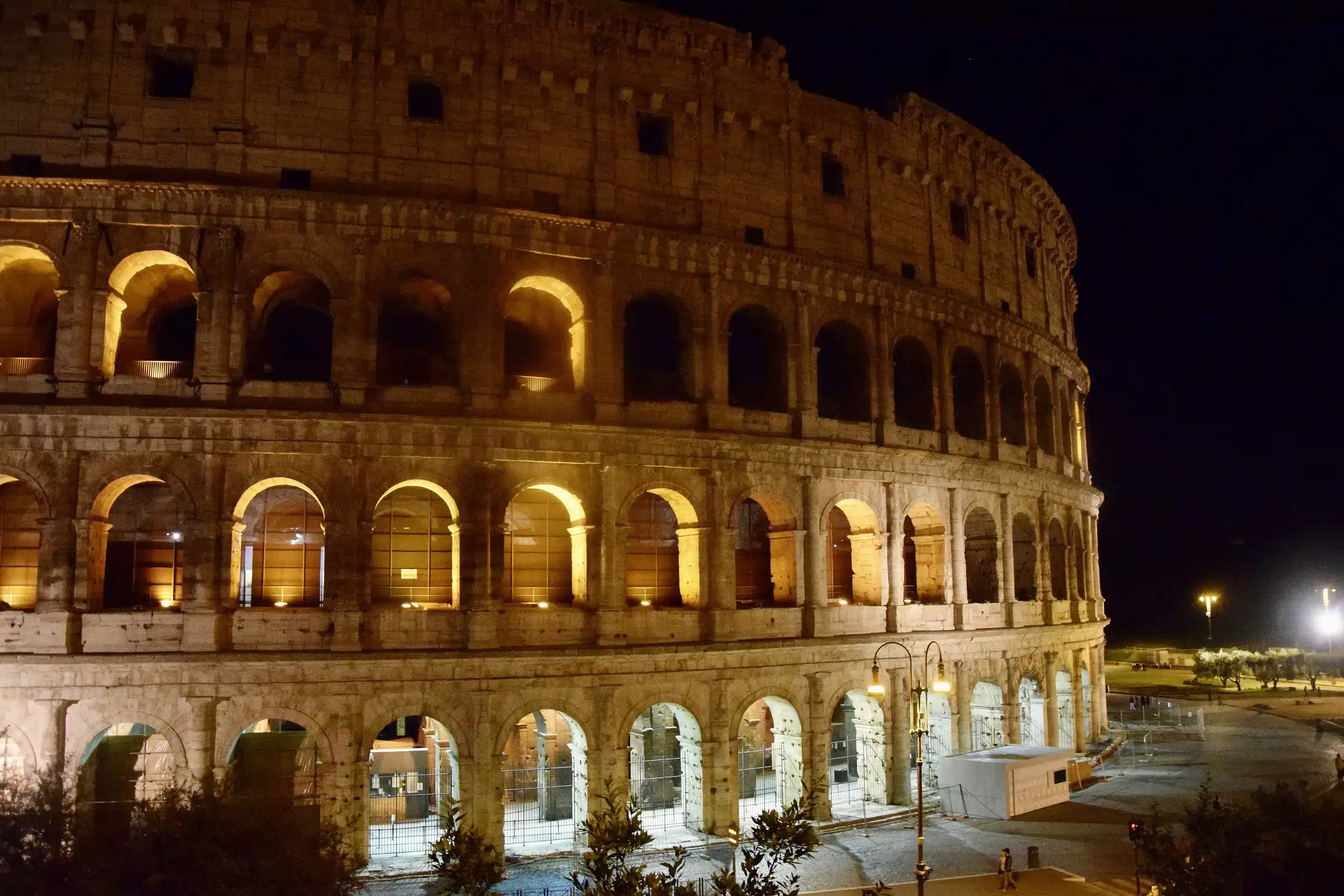
An editorial starting point for the historic centre, ancient Rome and a Vatican or neighbourhood day.
Historic centre for walking, Monti for ancient Rome, Prati for the Vatican, Termini for rail connections.
Cluster visits geographically and give timed attractions breathing room.
Try a Roman pasta, a rice croquette and a proper pause between sightseeing stops.
Rome works better when you stop treating it as one enormous checklist. Pick a neighbourhood that suits your days, give each major booking a generous block of time, and leave space for the city between the monuments: a square, a coffee, a detour down a side street. This guide is for that first visit, when the practical decisions matter as much as the famous names.
01 / ROME
Start here
Start with three decisions: how many full days you actually have, which interior visits you care about, and where you will sleep. Three full days is a useful editorial starting point; two means choosing more firmly, and one means concentrating on a single part of the city. Count arrival and departure days separately when their usable hours are short.
Spring and autumn are generally easier for long walks; summer calls for earlier starts, shade and a slower middle of the day. Winter gives you a different rhythm and shorter sightseeing windows. These are planning trade-offs, not a weather forecast: Rome’s official climate overview is a starting point, and the forecast for your dates decides the packing.
Book the few visits that determine the shape of the trip before filling every gap. A reserved Colosseum entry and a Vatican Museums visit belong on separate substantial blocks. Your remaining Rome should have room to move. If this is part of a longer journey, keep intercity travel days out of the three-day plan below.
02 / ROME
Where to stay
Choose the base by the journeys you will repeat, not just the room photo. Check the actual walking route from the station or drop-off point, stairs and lifts, late arrival arrangements, and whether the bedroom faces a lively street. The following are editorial location trade-offs, not hotel rankings or promises of quiet. Use the official district map to place an address before booking.
Pantheon, Piazza Navona and Campo de’ Fiori
Consider this area if wandering between central squares is your main pleasure. You can build a day around short walks instead of transport connections. The trade-off is practical: a historic-centre address does not necessarily mean a vehicle can leave you at its door. Ask about luggage access, the building lift and the final stretch on foot.
Monti
Monti makes sense when the Colosseum and archaeological area are central to the visit. The neighbourhood also gives you a separate place to spend the evening rather than commuting back across town. Check the specific street and slopes, and remember that “near the Colosseum” can still mean a meaningful walk to your chosen entrance. Official Monti and Esquilino guide.
Prati
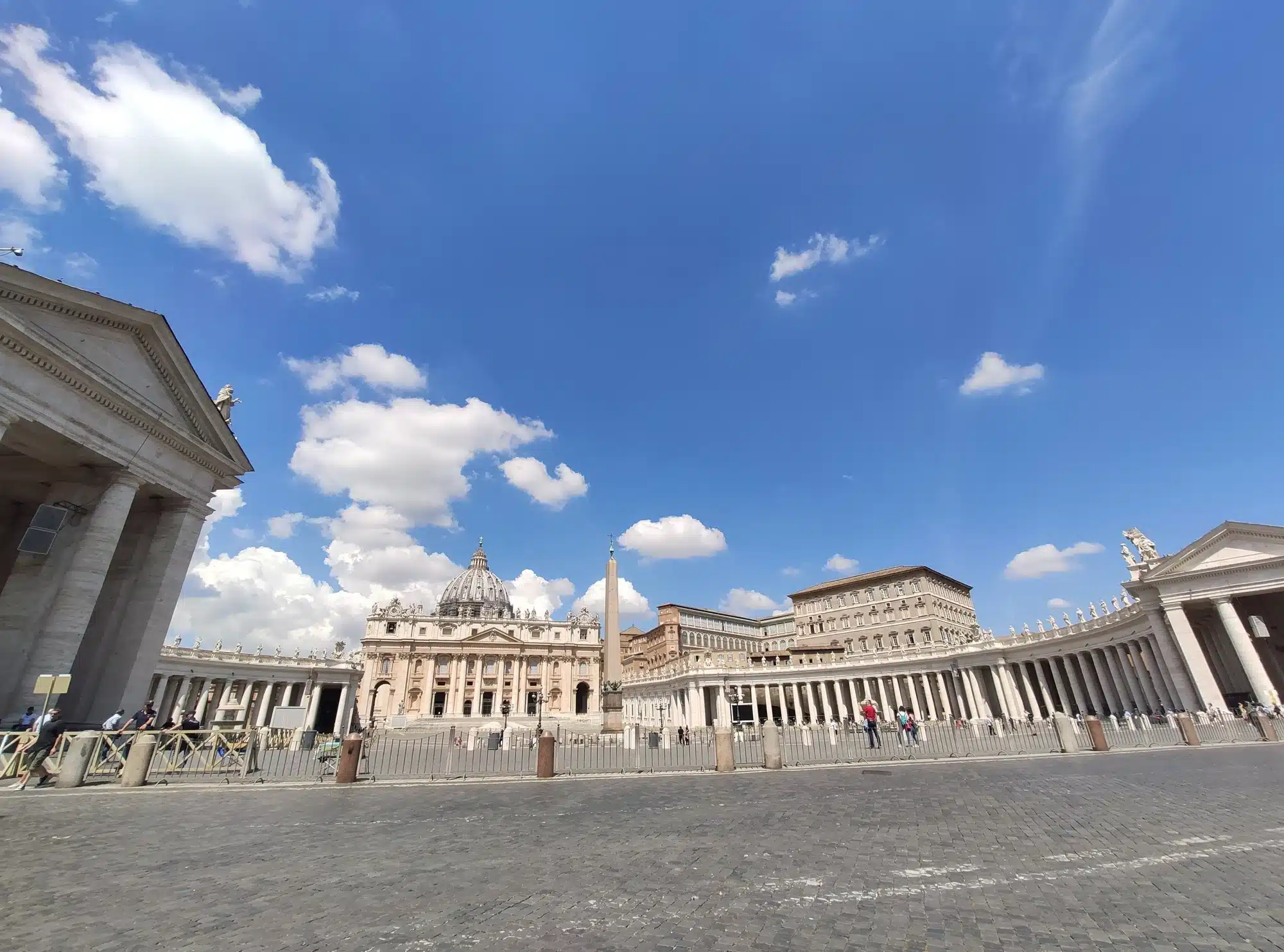
Prati is a useful option if your plans lean towards the Vatican and the west bank of the Tiber. Compare the walk to the museum entrance with the walk to Saint Peter’s Square: those are different destinations. The compromise is spending more time crossing town for ancient Rome. Official Prati and Vatican district guide.
Trastevere
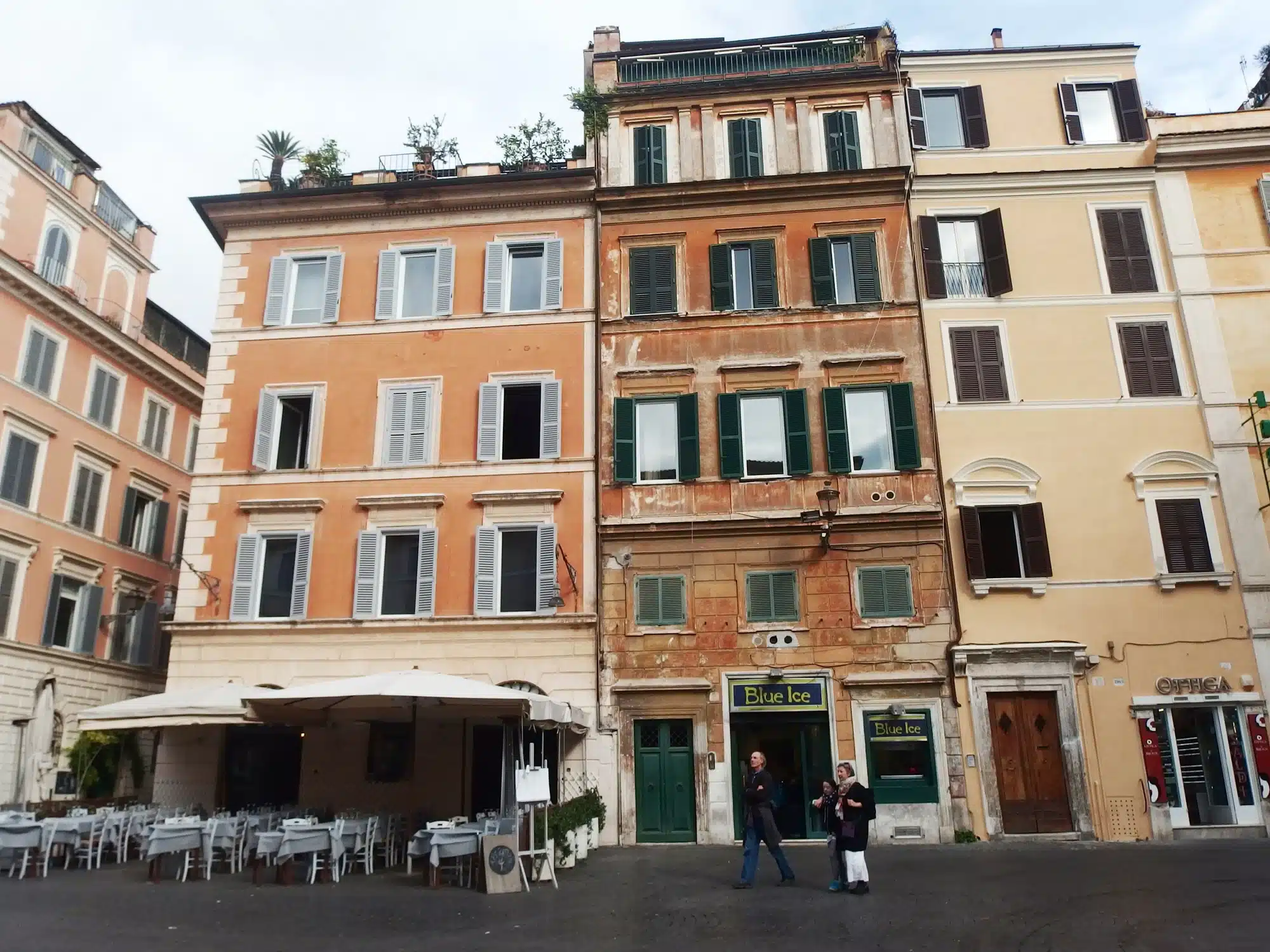
Choose Trastevere for a stay that includes neighbourhood evenings, lanes and meals as part of the attraction. Check how you will get back after the final transit connection you intend to use. A restaurant-filled street may suit dinner better than sleep, so ask about the room position rather than assuming the whole area shares one atmosphere. Official Trastevere and Testaccio guide.
Termini and the surrounding streets
Termini is practical for an early train, a short stop or repeated rail connections. Judge the exact address and the route with luggage rather than treating the entire station district as one experience. Compare the total trip cost and effort: a cheaper room can lose its advantage if it adds awkward transfers to every day.

03 / ROME
What to do
Build the trip around the experiences you want, then connect them with neighbourhood walks. You do not need to enter every famous building. These six choices mix substantial visits with parts of Rome that reward slower exploration. Opening conditions and ticket products are specific to each operator; buy from the official page linked beside the relevant sight.
Colosseum, Forum and Palatine
Treat the archaeological area as a major visit, with walking, security and time to understand what you are seeing. The Colosseum requires a reserved entry time; its operator says sales open 30 days ahead. For 25 October 2026–28 February 2027 the published closing time is 16:30, with last admission at 15:30. Official times and booking.
The Pantheon and its surrounding squares
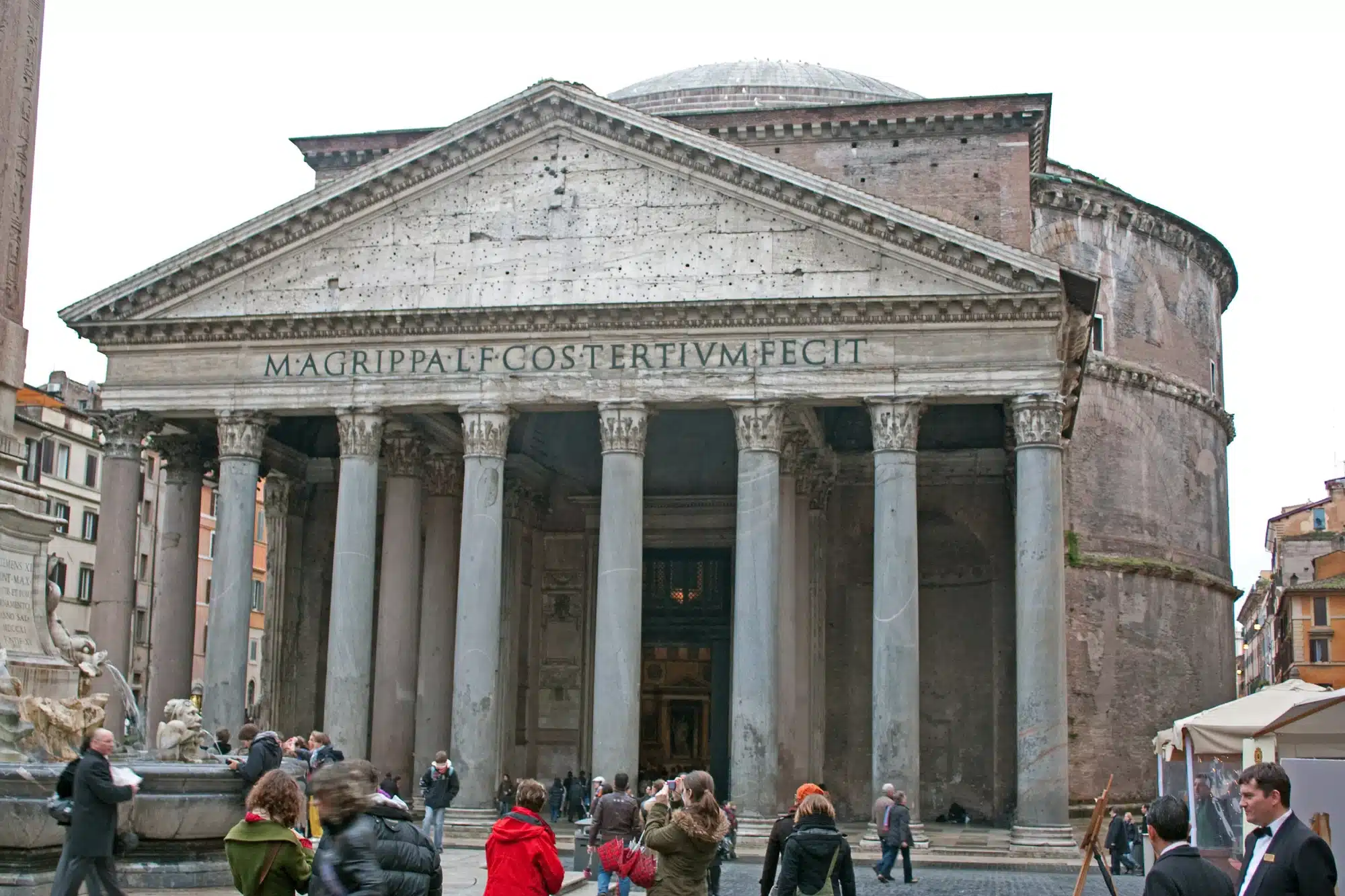
The Pantheon is both a monument and the Basilica of Santa Maria ad Martyres. Make the interior the reason to stop, then use Piazza della Rotonda and the lanes towards Navona as a walking cluster around it. The Italian culture ministry’s visitor page identifies the official Museiitaliani ticket channels and explains that religious celebrations affect visits. This gives you a concrete booking source rather than a reseller search.
Vatican Museums
Choose this for a substantial collection visit and give it a protected block of time. The museum calendar is separate from Saint Peter’s Basilica. It normally opens Monday–Saturday, with a shorter free opening on the last Sunday subject to listed exceptions. Do not casually assign it to any Sunday. Official museum calendar.
Trevi Fountain and Piazza Navona
Connect central squares as a walk, with time to sit somewhere between them. At Trevi, the close-up basin area has a different access arrangement from the surrounding public space: the official tourist site states a €2 visitor ticket introduced on 2 February 2026. Check the conditions rather than following older “everything is free” advice. Current Trevi access information.
Trastevere and the Tiber
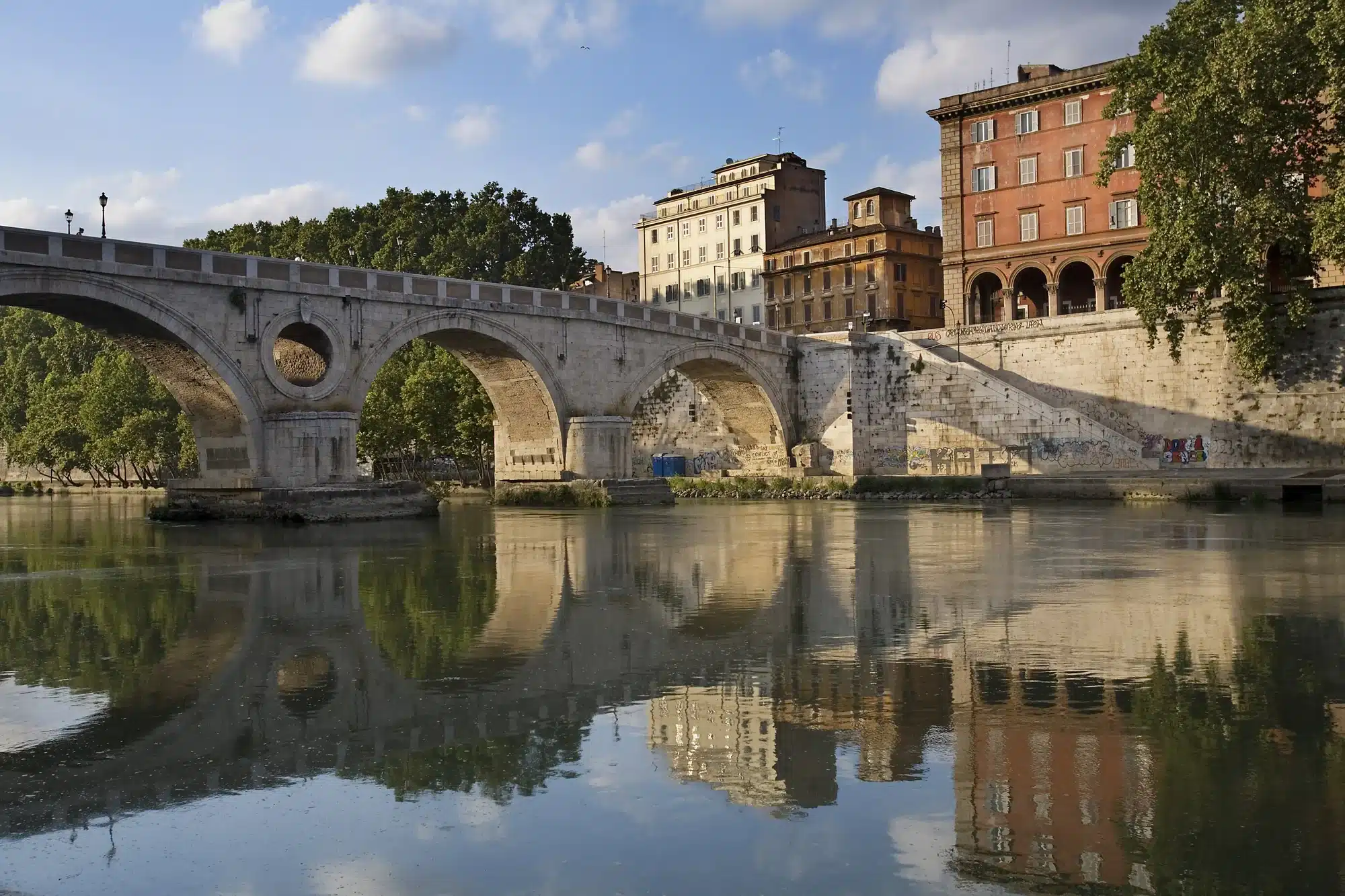
Cross the river for a change of pace and a meal, not just another box to tick. Pick a few lanes around Santa Maria in Trastevere and leave the route flexible. A bridge crossing also gives the day a clear geographic shape: central squares on one side, a neighbourhood evening on the other.
Capitoline Museums
Choose the Capitoline Museums if sculpture and the city’s history appeal more than adding another enormous museum day. Their collections are organised across the Palazzo dei Conservatori and Palazzo Nuovo, around the Capitoline Square. The official room-by-room guide helps you decide which works deserve your time; Palazzo Nuovo also connects the visit to Michelangelo’s design for the square. This is a specific alternative for a third day, not a compulsory addition to an already full archaeological day.


04 / ROME
What to eat
Roman food gives you a much more useful starting point than searching for the city’s single “best restaurant”. Pick a dish you want, read a real menu and decide whether you want a quick counter stop or a seated meal. Turismo Roma’s culinary overview explains the local tradition; the cards below help you order. A photo of a dish is an illustration, not an endorsement of an unnamed venue.
Carbonara
Think eggs, cured pork, pecorino and pepper. It is a useful first Roman pasta to recognise, but it is not vegetarian simply because the sauce looks pale. If ingredients matter to you, ask before ordering rather than relying on an English menu name. The official tourism site’s carbonara explanation gives the local context.
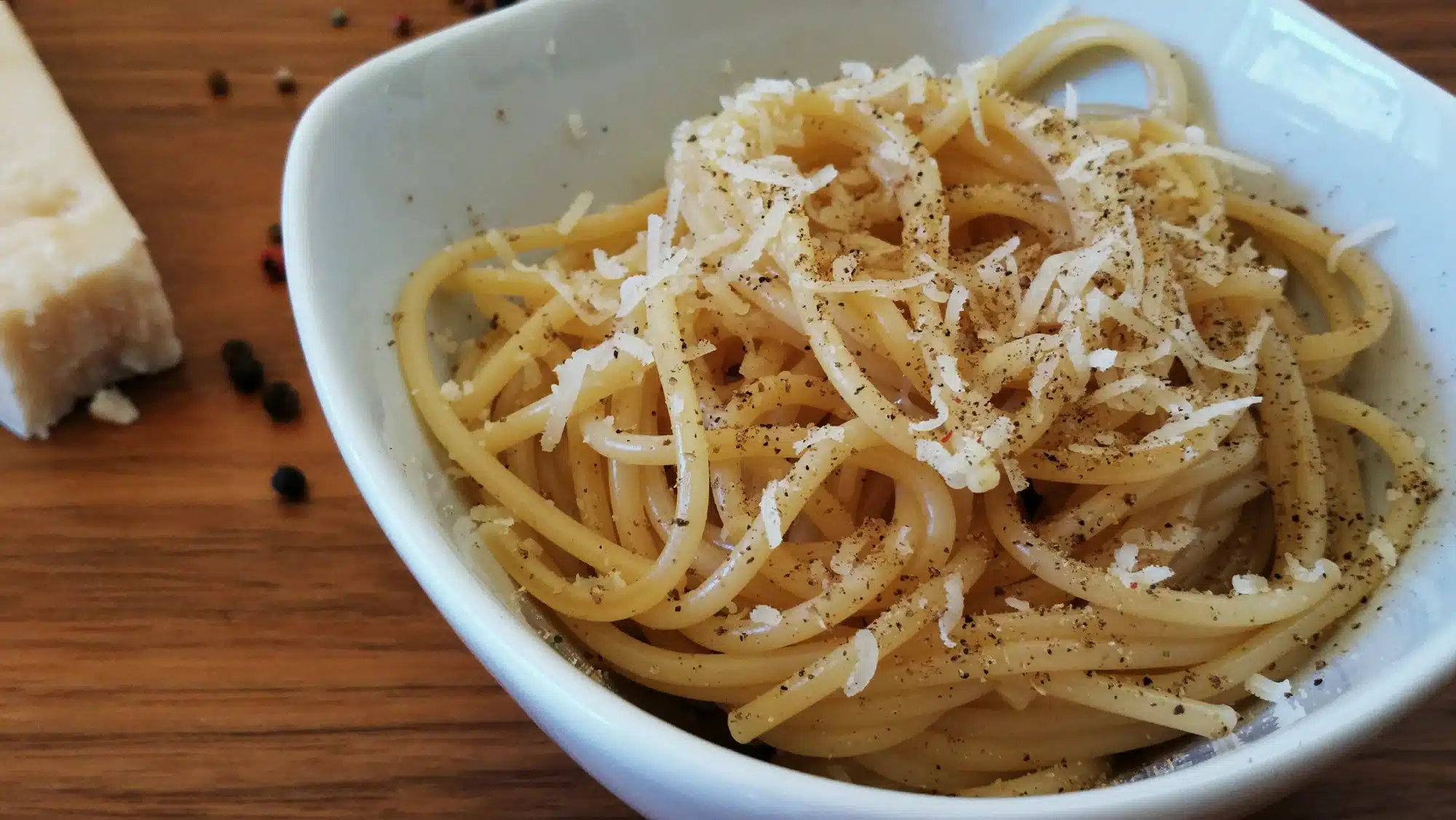
Cacio e pepe
Cheese and pepper make a deceptively short description of a very satisfying pasta. It is a good choice when you want to compare textures and preparation rather than chase an elaborate ingredient list. Ask which cheese is used if you follow a strict vegetarian diet; do not assume every cheese-based dish suits every dietary requirement.
Amatriciana and gricia
These are useful companions to carbonara when reading a Roman menu: different preparations rather than interchangeable names for a generic sauce. Order one you actually want, then try another on a different day. You will learn more from two enjoyable meals than from forcing four heavy pasta dishes into the same sitting.
Supplì
A crisp rice croquette makes sense as a snack or part of a light stop between neighbourhoods. Fillings vary, so check the actual version on offer if you avoid meat or have an allergy. The official tourism listing for a supplì specialist illustrates the range; it is not a claim that every stall sells the same recipe.
Carciofi alla romana and alla giudia
Artichokes offer another way into Roman cooking beyond the four famous pastas. The Roman-style preparation uses aromatic herbs and a softer cooked texture; the Roman-Jewish version is fried. Compare the dish on the menu rather than treating the names as synonyms. Turismo Roma explains both preparations and their local context. Availability depends on the menu and season, so make them a possibility rather than a guaranteed order.

05 / ROME
How to get around
Use walking for compact clusters and public transport for the jumps between them. The metro is a useful skeleton, not a door-to-door network for every old street. Before booking accommodation, compare your actual first and last connections, including the station exit and the walk with luggage.
For Fiumicino, Trenitalia’s Leonardo express links the airport and Termini without intermediate stops; the advertised train journey is 32 minutes. That is not the total time from plane to hotel. Allow for arrivals, reaching the platform and your onward journey. Other rail connections can suit a different base: compare the destination station, not only the ticket headline.
ATAC lists a BIT at €1.50/100 minutes, ROMA24H at €8.50, ROMA48H at €15 and ROMA72H at €22, checked 16 November 2026. Products have different validation and journey rules; airport rail is separate. Use the official ticket information to compare likely rides. Paper tickets, apps and contactless are not one interchangeable process: follow the instructions for the method you choose, and keep evidence of the validated journey.
06 / ROME
How to structure your trip
These are editorial itineraries, not a packaged tour or a promise that every admission will be available. Swap the days to fit the bookings you secure. Keep the final stretch flexible so a late lunch or a longer museum visit does not turn the rest of the afternoon into a recovery exercise.
A historic-centre introduction
If you have one full day, choose the Pantheon area, Piazza Navona, Trevi and the lanes between them, with one interior visit if it matters to you. Add a proper lunch and finish near the river. If ancient Rome is your main reason for coming, replace this with the archaeological area instead of trying to compress both complete days into one.
Add ancient Rome
Use the second day for a reserved Colosseum visit and the Forum–Palatine area, then let Monti provide the meal and neighbourhood component. Match the order to the entry time you booked and the available daylight. Do not schedule a second major timed collection immediately after the archaeological visit simply because both fit on a map.
Choose the Vatican or a slower city day
If the Vatican Museums are a priority, make them the third day’s main commitment and treat Saint Peter’s area separately, allowing for its own access. Otherwise choose a neighbourhood or park and a museum that matches your interests. The final evening is a good place for a meal you have been wanting, rather than another cross-city checklist.

07 / ROME
Money and value
Build the budget in separate parts: accommodation, arrivals, city transport, admissions, food and a margin for changes. Compare room totals including the property’s applicable charges, not just the first nightly figure. Live hotel prices and availability have not been surveyed for this guide.
For a transparent transport example, four separate €1.50 BIT tickets total €6, while the listed 24-hour ticket is €8.50. That comparison only helps when the individual tickets are valid for the journeys you intend to make; it is not advice to reuse one ticket for a journey it does not cover. Airport transfers and attraction admissions sit outside that calculation.
For attractions, compare the places you genuinely plan to enter before buying a city pass. Reservations, museum participation and airport coverage differ. Leave a meal and contingency amount in euros, and distinguish a planning allowance from a quoted menu. Adding one more paid sight is not automatically better value if it displaces the part of Rome you actually wanted to enjoy.
08 / ROME
Practical notes
For mobility planning, assess the route as well as the attraction: surfaces, gradients, steps, toilets, rest stops and the return journey all matter. Use Rome’s official accessibility directory and contact the venue or property about your actual requirements. “Central” and “accessible” answer different questions.
Protect your belongings on busy transport and at crowded sights, and keep a copy of the key booking details available without a mobile connection. If you use a travel eSIM, our guide to keeping your usual number active can help with that separate setup; it does not replace downloading the tickets themselves.
Pack for a day spent outside: supportive footwear, layers for the forecast, and a manageable bag that meets each venue’s entry rules. Religious sites have their own dress and service arrangements. Do not treat a museum ticket, a basilica visit and entry to an archaeological park as the same kind of admission. For winter travel across several cities, compare your arrival plan with our day-versus-night train planning guide.
09 / ROME
Useful map searches
Save these as orientation points before arrival. They are searches, not a surveyed step-free route or a promise that a particular entrance is open. For a reserved attraction, compare the meeting point on your ticket with the map pin; a large complex can have more than one relevant entrance. The existing Rome transport and food overview provides another supporting read.
10 / ROME
Sources and checked details
Checked 16 November 2026 against Turismo Roma districts, Roman food traditions, ATAC tickets, Trenitalia airport rail, Colosseum access, Vatican Museums calendar and Trevi access information. Neighbourhood preferences, suggested days and spending comparisons are WanderHackr editorial planning judgments. Historical photographs illustrate their named locations; they do not establish today’s access, queues or weather.
Featured image: Photo: Ank Kumar / Wikimedia Commons, CC BY-SA 4.0. Resized and converted to WebP; the image adaptation retains its source license.
