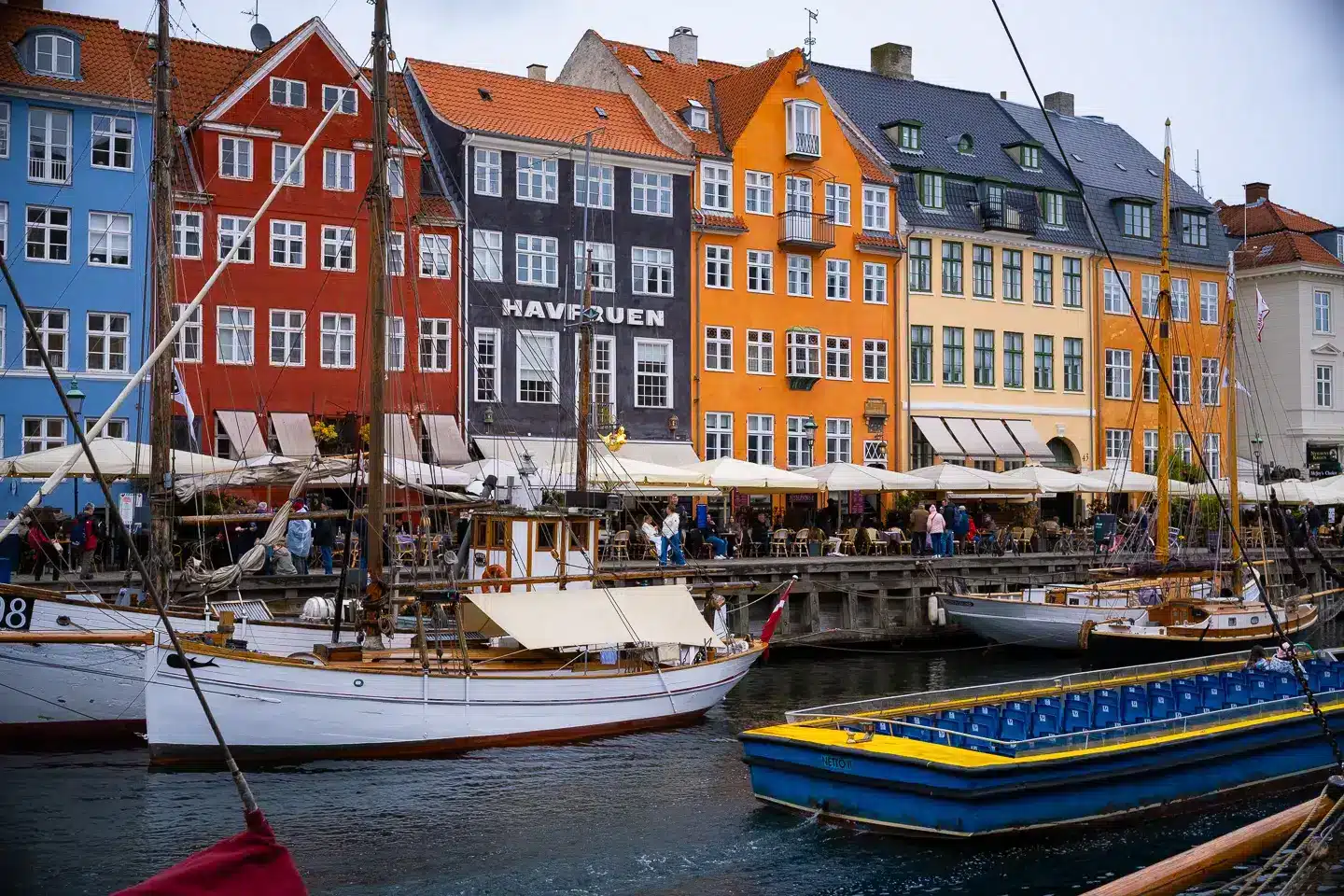
Copenhagen makes an excellent first impression: coloured houses, a boat on the canal, a sky that seems to have been chosen to match the water. Nyhavn supplies that picture almost immediately. The more interesting question is what you do after taking it.
A good first visit moves between different scales of the city. There are narrow streets where a doorway deserves more attention than your map, palace façades that make you step back, and a harbour wide enough to change your sense of Copenhagen entirely. Add a proper lunch and one neighbourhood beyond the centre, and the trip starts to feel like a place rather than a collection of postcards.
Gil DeSaant’s photographs from May 2026 give this story its visual starting point. The route ideas below are editorial suggestions for planning your own visit; the photographs record that spring trip. Seasonal details were checked on 17 November 2026.
Begin at Nyhavn, but leave room for the next street
Go to Nyhavn. A famous place can still be worth your time. The coloured façades and moored boats have enough detail to reward more than a quick phone photograph: look at the differences between the buildings, the rigging across the water and the way the canal frames the street.
Give yourself a choice about how to use the stop. You might want a drink with that view, a slow walk along the water, or simply time to make a photograph you like. The waterfront setting is an experience you can choose to spend on; it does not have to determine every meal in the city.
Visit Copenhagen’s Nyhavn guide describes the harbour’s seafaring past and its present mix of restaurants and cafés. Use that context as an invitation to look, then turn into the surrounding streets. An afternoon with one recognisable landmark and several small discoveries often has more texture than an afternoon spent racing between famous views.
Make a walk through the old centre part of the visit
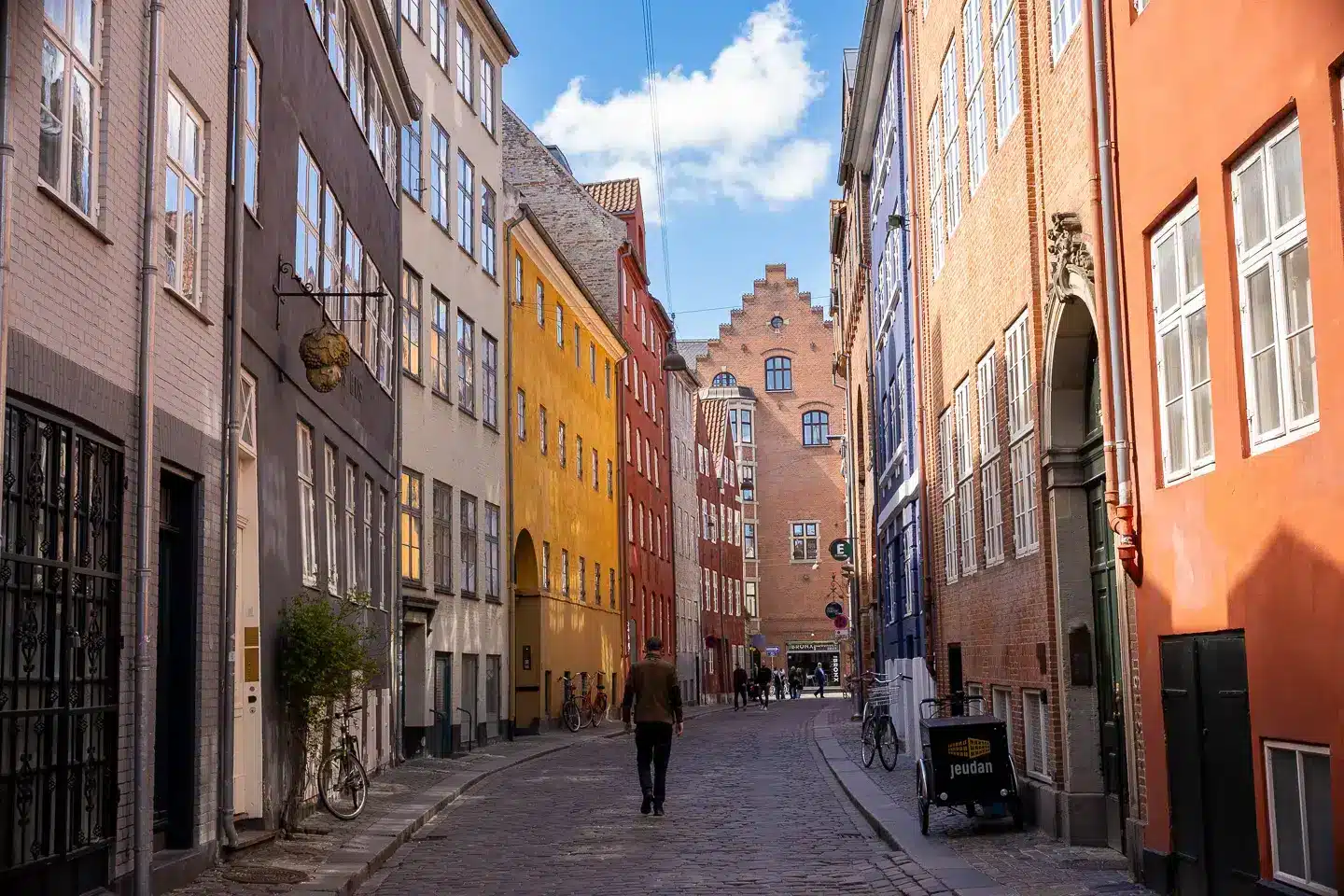
Set aside a stretch of the day for the streets between your bigger stops. Gil’s photographs alternate broad waterfront views with much tighter compositions: brick walls, coloured plaster, a street sign, the shape of a gable. That change of scale is a useful way to explore Copenhagen, too.
Put a couple of places on the map, such as Magstræde and the area around Slotsholmen, and let the walk between them have some freedom. Look up occasionally. A shopfront, a courtyard entrance or a line of windows can tell you something about the street without requiring a guided-tour schedule.
This is also where pace matters. Choose shoes for a day of walking, allow a seated break and check the route if steps or uneven surfaces are a concern. A small-looking gap on a map says little about how pleasant the journey will feel with luggage, tired children or a mobility requirement.
For photography, stop somewhere that leaves the pavement clear. It is easier to enjoy a quiet-looking composition when you remember that the street remains someone else’s route home.
Choose an interior that earns its place in the day
A first trip benefits from one visit with enough substance to interrupt the walking. Choose it for your interests: royal rooms, architecture, art or a performance. Booking several substantial interiors just because they appear close together can leave very little time for the city outside them.
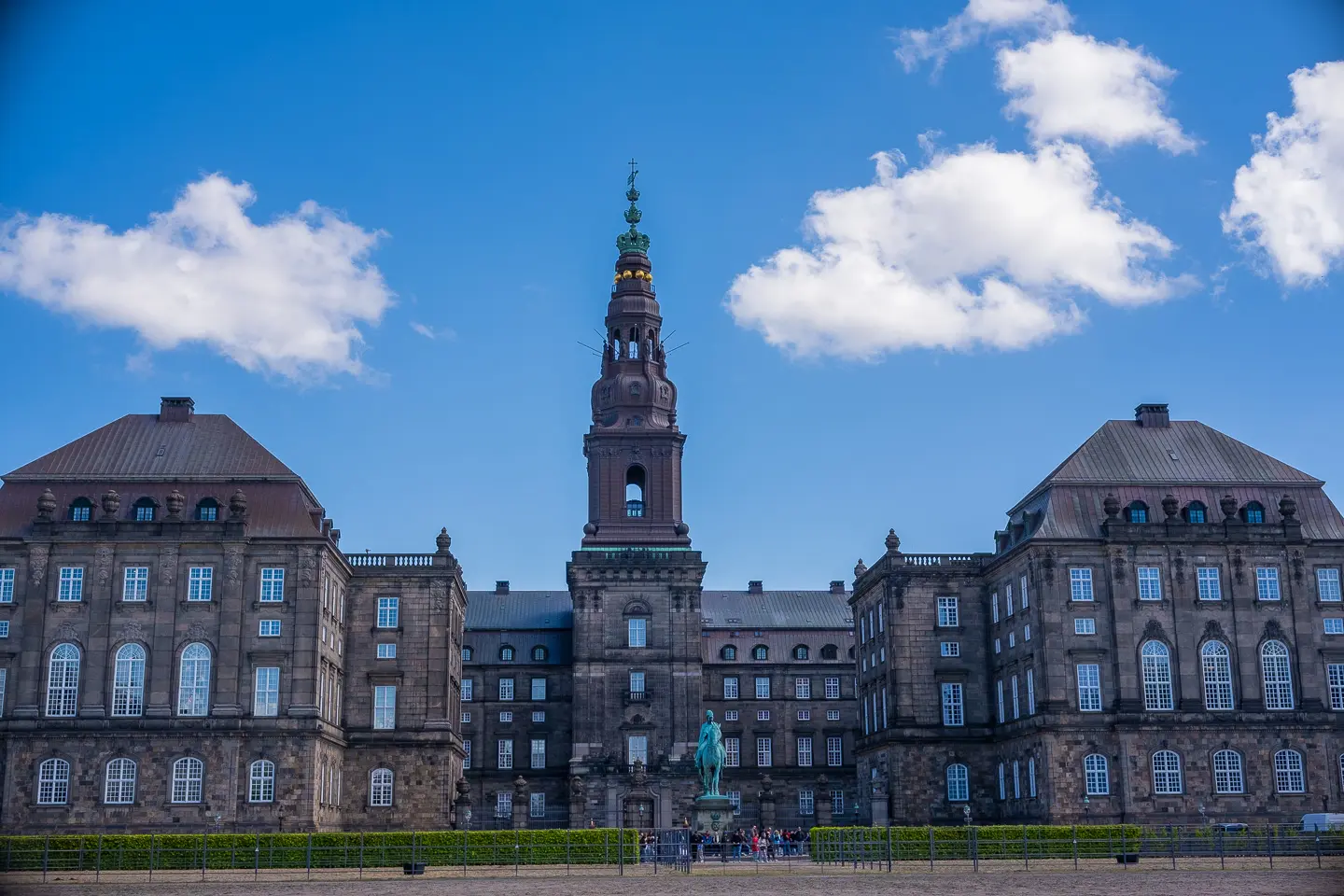
At Christiansborg Palace on Slotsholmen, the official visitor programme includes the Royal Reception Rooms and the ruins beneath the palace. Decide which part you want to experience and check its current access and ticket arrangements. Seeing the exterior and visiting the rooms are different commitments.
Farther north, Frederik’s Church is commonly called the Marble Church. Its copper-green dome provides a different architectural focus from the palace. The official tourism listing gives the address and visitor information; consult the current hours for your date, especially if you want access beyond the main church.
In a short visit, pick the interior you would still choose if there were no checklist. Build the surrounding walk around that decision, and keep an indoor alternative in mind for a wet afternoon.
See how the harbour changes the city
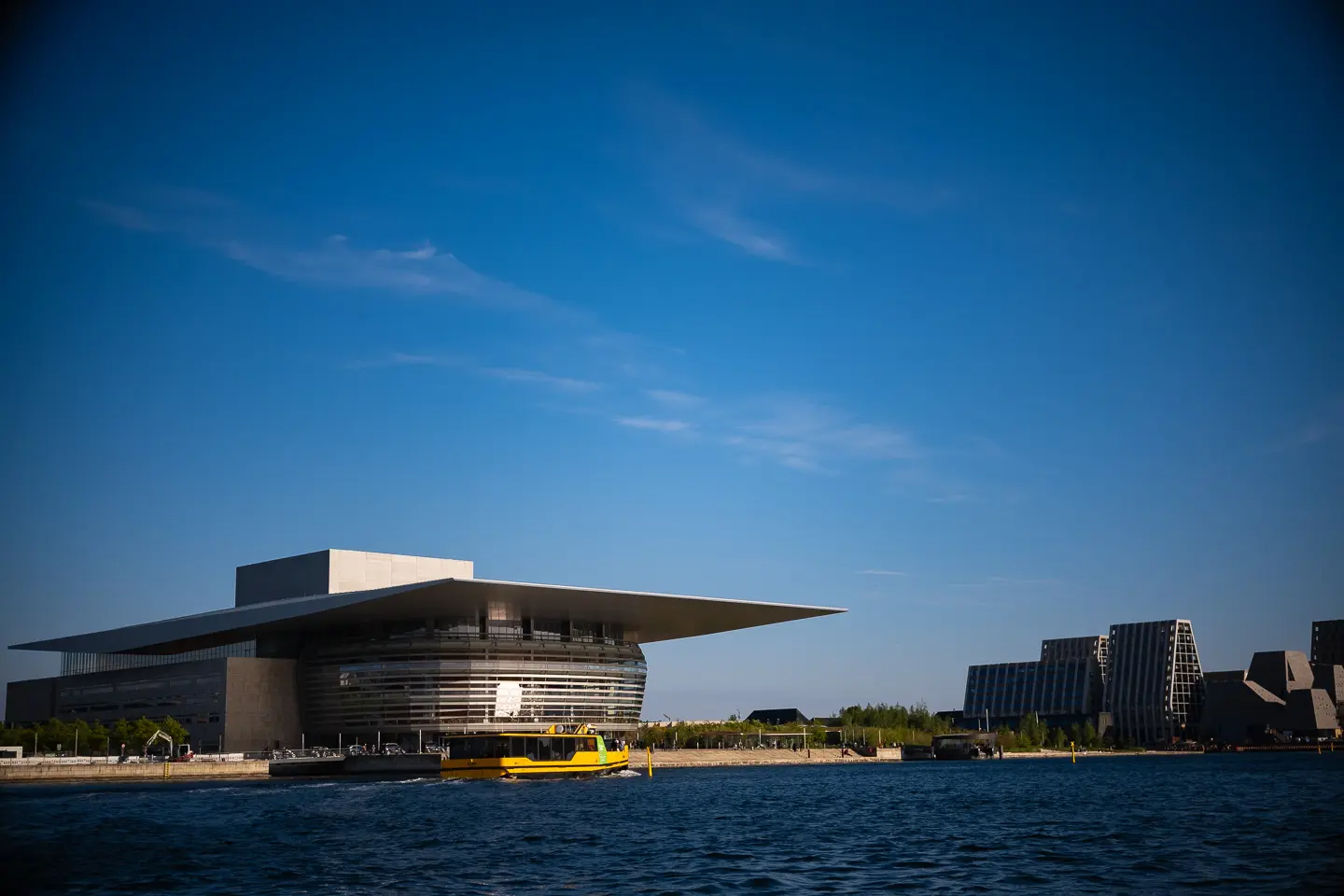
The small canals give Copenhagen an intimate frame. The main harbour opens it out. In Gil’s Opera House photograph, the building’s projecting roof sits against a broad expanse of blue; the water becomes part of the architecture rather than a decorative strip beside it.
The Royal Danish Opera House is on Holmen and was designed by Henning Larsen. You can make its exterior and setting part of a waterfront outing, or investigate a performance or a guided visit if the building interests you. Those are separate experiences, so check the relevant programme before setting aside an evening.
Crossing or travelling along the water can be part of the day’s pleasure. Copenhagen’s yellow harbour buses belong to the public transport network; a ticket must cover the journey’s zones and validity period. A sightseeing cruise serves a different purpose, with its own route and booking conditions. Choose according to whether you want transport, commentary or a particular view.
The harbour-bus overview helps with orientation. Check your actual departure and return rather than treating a waterfront photograph as evidence that a boat will leave whenever you arrive. Leave time on the other side to walk, sit and see what brought you there.
Plan a Danish lunch, then let the food scene widen
Give lunch a place in the route before hunger starts negotiating on your behalf. Smørrebrød—the Danish open-faced sandwich—is a useful first introduction to local food. Read the menu and choose toppings you actually want; a lunch built around rye bread need not become an endurance test of every traditional preparation.
Visit Copenhagen’s introduction to smørrebrød and Danish food is a starting point for finding that meal. Use a restaurant’s own current menu, opening hours and booking policy to make the final choice. A bakery stop and coffee can fill a different part of the day, leaving room for a proper seated lunch or dinner.
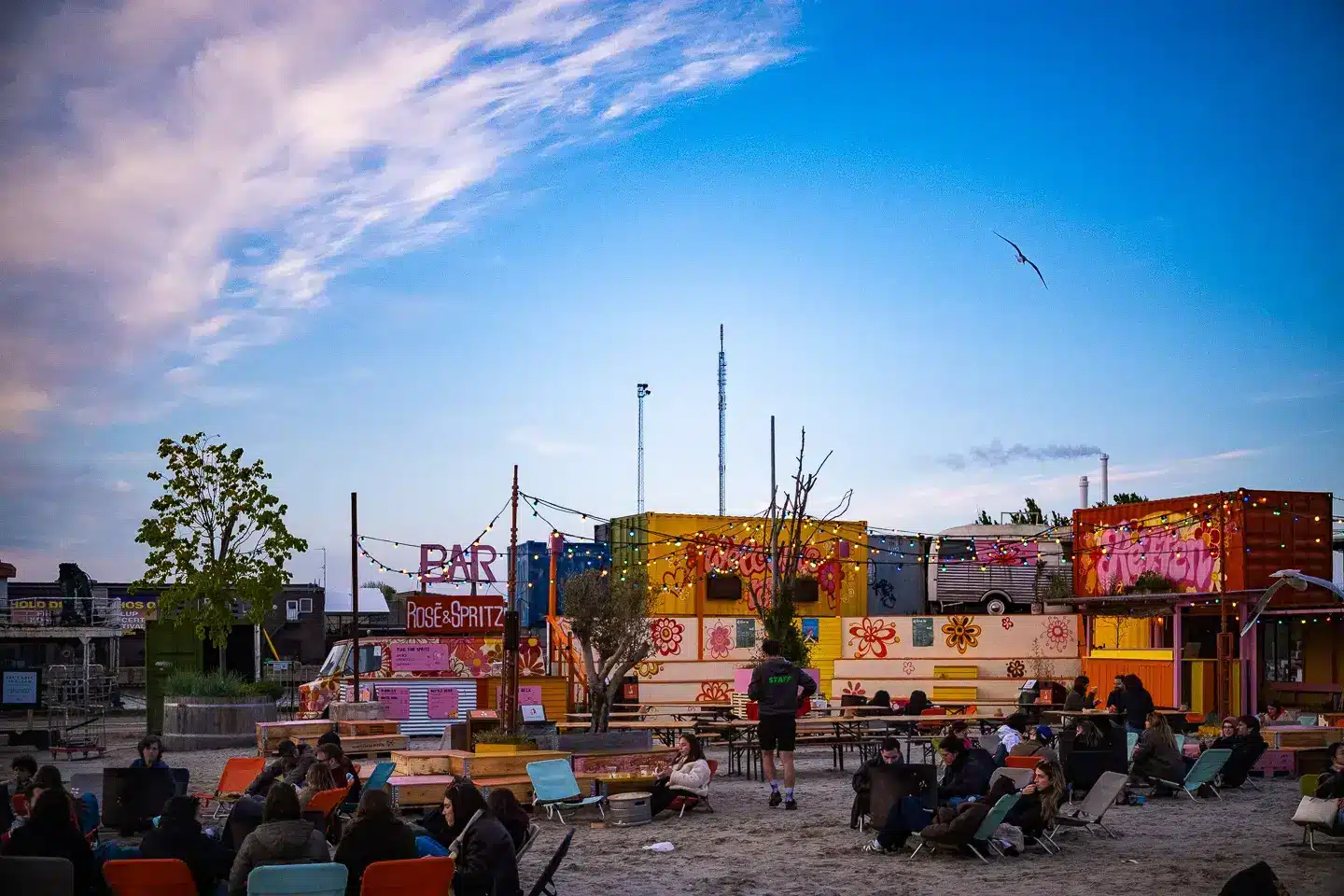
Reffen, on Refshaleøen, shows another side of eating in Copenhagen. The photograph here records outdoor tables, food stalls and the open-air setting in May 2026. It is a seasonal option, and that distinction matters for anyone reading this in winter.
Current seasonal check: on 17 November 2026, Reffen’s own website states that it is closed for winter and plans to reopen in March 2027. For a winter trip, make another food plan. For a future spring or summer trip, check the calendar again before travelling out specifically for the market. The photograph shows why the place can appeal; the operator’s current information decides whether it belongs in your itinerary.
Give one neighbourhood beyond the centre a full afternoon
Once you have your bearings, choose somewhere beyond the main sightseeing circuit and give it enough time to become a place in its own right. There is little reward in crossing the city for a five-minute stop simply to add another district name to the trip.
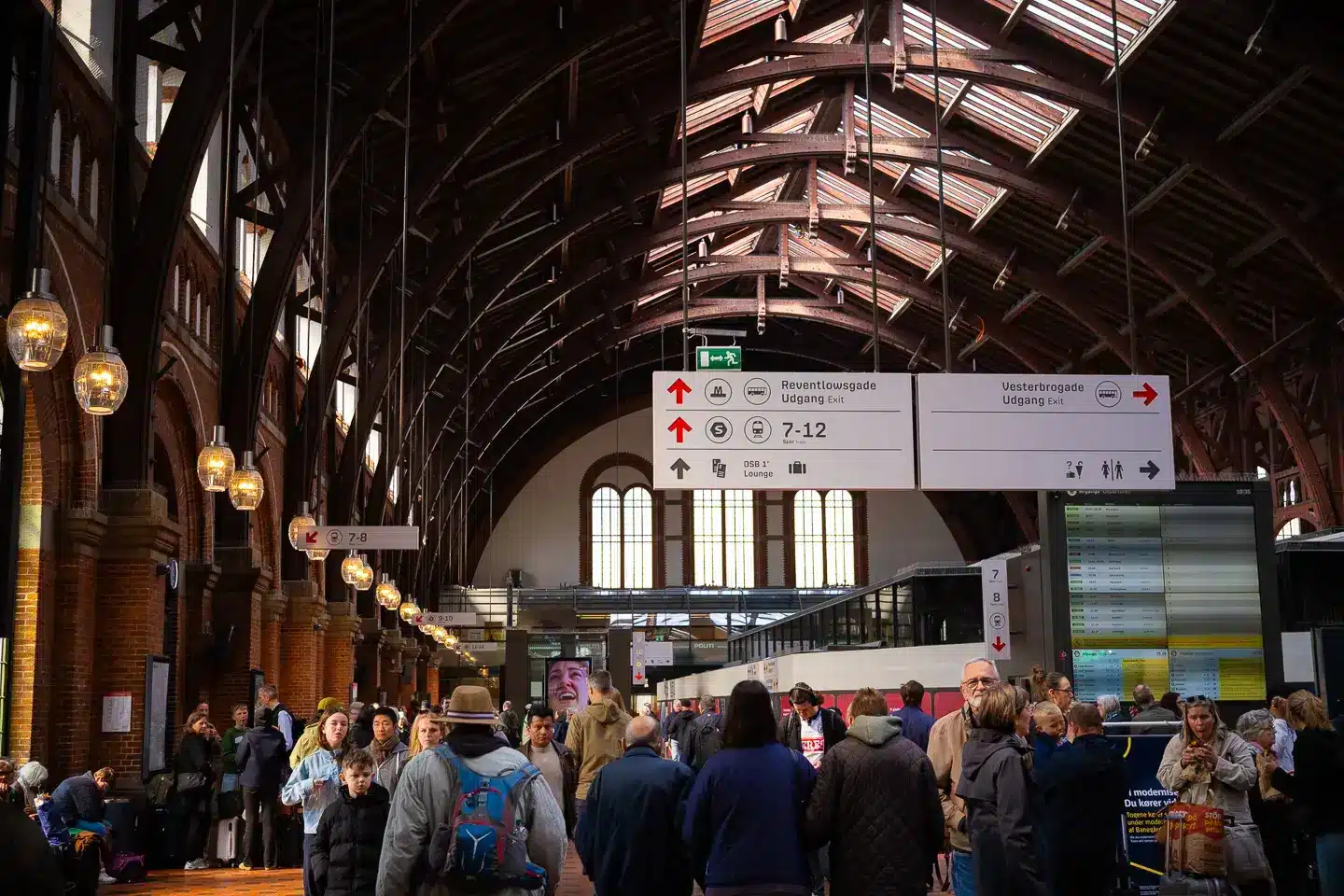
Consider Nørrebro if independent shops, food and a more residential afternoon are what you want. Vesterbro offers another possible direction, particularly if your plans involve the area near Copenhagen Central Station. Christianshavn provides a canalside alternative when you would rather keep the water as the thread connecting the day.
The official neighbourhood guide describes the differences between Copenhagen’s districts. These suggestions are ways to choose your afternoon, not rankings of where every visitor should stay or promises that a particular street will be quiet.
Find one reason to go—a meal, a shop, a building or a walk—and leave space around it. Check how you will return to your accommodation before settling into the evening. For a short break, one neighbourhood you remember clearly is often more satisfying than three you remember mainly through transport connections.
Build two good days around places you want to linger
Two full days give you a workable introduction if you make choices. The outline below is a suggested shape, not a timed tour. Swap the days around the interior visit or meal you book, and count arrival and departure time separately.
Day one: the central streets and a waterfront finish
Start with a walk through the old centre and the Slotsholmen area. Make Christiansborg your substantial visit if it matches your interests, then leave time for lunch and the smaller streets. Use Nyhavn later in the day as somewhere to pause rather than another hurried arrival. If the weather turns, shorten the outdoor portion and give the interior or a café more time.
Day two: a different scale of Copenhagen
Choose the Marble Church and its surrounding area, or begin with a neighbourhood that appeals more. Keep the second part of the day for the harbour: a crossing, a journey by water or an architectural stop around the Opera House. Add Refshaleøen only when the destination you want is operating and the return journey suits your evening.
If you have a third day
Use it to deepen the part you enjoyed. You could spend longer in a neighbourhood, choose a museum or performance, or give a meal and a walk room to expand. You have permission to revisit a place in different light. A city break does not need a new landmark every hour to justify the extra night.
Use transport to protect the enjoyable part of the day
Walk the compact clusters you want to see closely, then use public transport for a journey that would otherwise consume the afternoon. Copenhagen has metro, trains, buses and harbour buses, but the practical question is always your actual connection, including the walk at either end.
The official public transport overview explains the shared ticketing system and its zone and time conditions. For the specific airport-and-pass decision, our Copenhagen City Pass Small guide goes into the coverage details. Keep that ticket question separate from choosing what you want to do.
A bicycle can be useful if you are comfortable riding in city traffic. Take a few minutes with the local cycling guidance before renting: signalling, lane position and stopping need to work for the people around you, too. If you want to look at a map or make photographs, stop somewhere appropriate. Walking and transit remain perfectly good ways to build the same visit.
Spend deliberately, and plan for the season you are visiting
Decide where spending will improve your particular trip. That might be one substantial admission, a meal you have looked forward to or accommodation that makes the daily journeys easier. Compare the total cost in Danish kroner, including the transport and reservations your plan actually needs.
A day of streets and waterfront views has a different budget from a day of paid interiors. Choose the experiences first, then compare any sightseeing pass against those choices. This article does not contain a current hotel-price survey or a priced restaurant basket, so a precise all-in daily figure would suggest evidence we have not gathered.
Give the season the same attention as the money. The photographs here were made in May: outdoor seating, bright skies and time spent beside the water belong to that record. For a winter visit, shorten exposed walks when conditions call for it and put indoor stops where you will welcome them. In warmer months, check seasonal venues rather than assuming a photograph establishes their opening hours.
The useful souvenir is a Copenhagen you have had time to notice: a harbour crossing, the street you turned down without much of a plan, and a meal that gave the afternoon a comfortable pause. Leave enough room for those moments to happen.
Featured image: Nyhavn, Copenhagen, photographed in May 2026. Photo: Gil DeSaant — Photodump063. ©Gil DeSaant. Used with permission.