
If you are trying to fit the Louvre and Musée d’Orsay into the same Paris trip, the main thing to know is simple: they close on different days. The Louvre is closed on Tuesday, while Orsay is closed on Monday. For a Monday–Tuesday stay, use Monday for the Louvre and Tuesday for Orsay. For a Tuesday–Wednesday stay, start with Orsay and visit the Louvre the next day. Orsay’s Thursday evening opening gives you another option when daytime plans are tight. Checked on 2026-11-16; always recheck official hours before travel, because schedules can change and holiday weeks can alter access.
The direct answer: which day should you plan each museum?
The Louvre normally opens every day except Tuesday; Orsay normally opens Tuesday through Sunday. Check the holiday exceptions below against your travel dates before booking.
For a Tuesday–Thursday stay, put Orsay on Tuesday and the Louvre on Wednesday or Thursday. Check timed-entry availability for both before committing to that sequence. Official hours and entry rules: Louvre tickets and prices and Musée d’Orsay rates.
Quick planning table
| Situation | Best museum choice | Why it works |
|---|---|---|
| Monday in Paris | Louvre, if open that day on your trip; Orsay is closed | Orsay closes every Monday, so Monday is not useful for it. |
| Tuesday in Paris | Orsay | The Louvre is closed on Tuesday, while Orsay is open Tuesday through Sunday. |
| Thursday evening available | Orsay | Orsay has a Thursday late opening until 9:45 p.m. |
| Holiday week | Check both museums individually | The Louvre has specific holiday closures and a Tuesday rule; Orsay’s current access can also be affected by works. |
This table is only a planning shortcut, not a substitute for the official schedules linked below.
Why the Louvre and Orsay do not fit the same way
The Louvre’s current published pattern is straightforward: it is open Monday, Thursday, Saturday, and Sunday from 9:00 a.m. to 6:00 p.m., and Wednesday and Friday from 9:00 a.m. to 9:00 p.m.; it is closed on Tuesday. It is also closed on 1 January, 1 May, and 25 December, but remains open on other public holidays unless they fall on Tuesday, which is its regular closure day. Source: Louvre tickets and prices.
Musée d’Orsay is open Tuesday through Sunday from 9:30 a.m. to 6:00 p.m., with a Thursday late opening until 9:45 p.m.; it is closed on Monday. Source: Musée d’Orsay opening hours.
In practical terms, the two museums complement each other. Their weekly closure days are offset, which is why many short Paris trips can fit both without wasting a day on a closure.
When to use Thursday evening at Orsay
On Thursdays, Orsay’s late-opening rate applies to visits starting at 6:00 p.m.; last entry is at 9:00 p.m. and closing is at 9:45 p.m. That extra window can help you combine a daytime Louvre visit with an evening at Orsay. Allow a break and time to transfer, then choose entry slots around how long you want to spend in each museum.
Use the late opening when your daytime schedule is full. Check available admission slots before arranging dinner or another activity around the visit. Official rule set: Musée d’Orsay rates.
Booking rules that matter more than they first appear
Both museums push visitors toward online booking, but the wording is not identical. The Louvre says time-slot booking is recommended, including for free-admission visitors, and that on-site ticket purchase is only possible when attendance is low and subject to availability. That means you should not assume same-day tickets will be easy just because you are free to visit on a certain day. Source: Louvre tickets and prices.
Orsay also tells visitors to book online and warns against fraud and mirror sites, including “skip-the-line” offers and street vendors. The useful takeaway is narrow: buy from the museum’s official channel, and do not build a schedule that depends on casual walk-up availability. Source: Musée d’Orsay rates.
Holiday exceptions and future-proofing
This is the part that trips up otherwise sensible itineraries. For the Louvre, holiday exceptions are explicit: it is closed on 1 January, 1 May, and 25 December, and other public holidays do not automatically close it unless they fall on Tuesday. If your trip includes a French holiday week, recheck the exact date rather than assuming “holiday open” or “holiday closed.” Source: Louvre tickets and prices.
Orsay lists closures every Monday, on 1 May and on 25 December. Its official visit page also flags renovation work and links to the current access conditions. Check that notice when you book, especially if a particular entrance or accessibility arrangement matters for your visit. Source: Musée d’Orsay visit.
A simple two-museum template that usually works
If your trip is only a few days long, the most reliable structure is:
- Tuesday: Orsay
- Wednesday or Thursday: Louvre
- Thursday evening, optional: an alternative Orsay slot if you did not use the Tuesday option
If your trip overlaps a public holiday, swap only after checking the official museum pages. Before paying, confirm each museum’s date, admission slot and holiday notice on its official website, and keep both booking confirmations with your trip details.
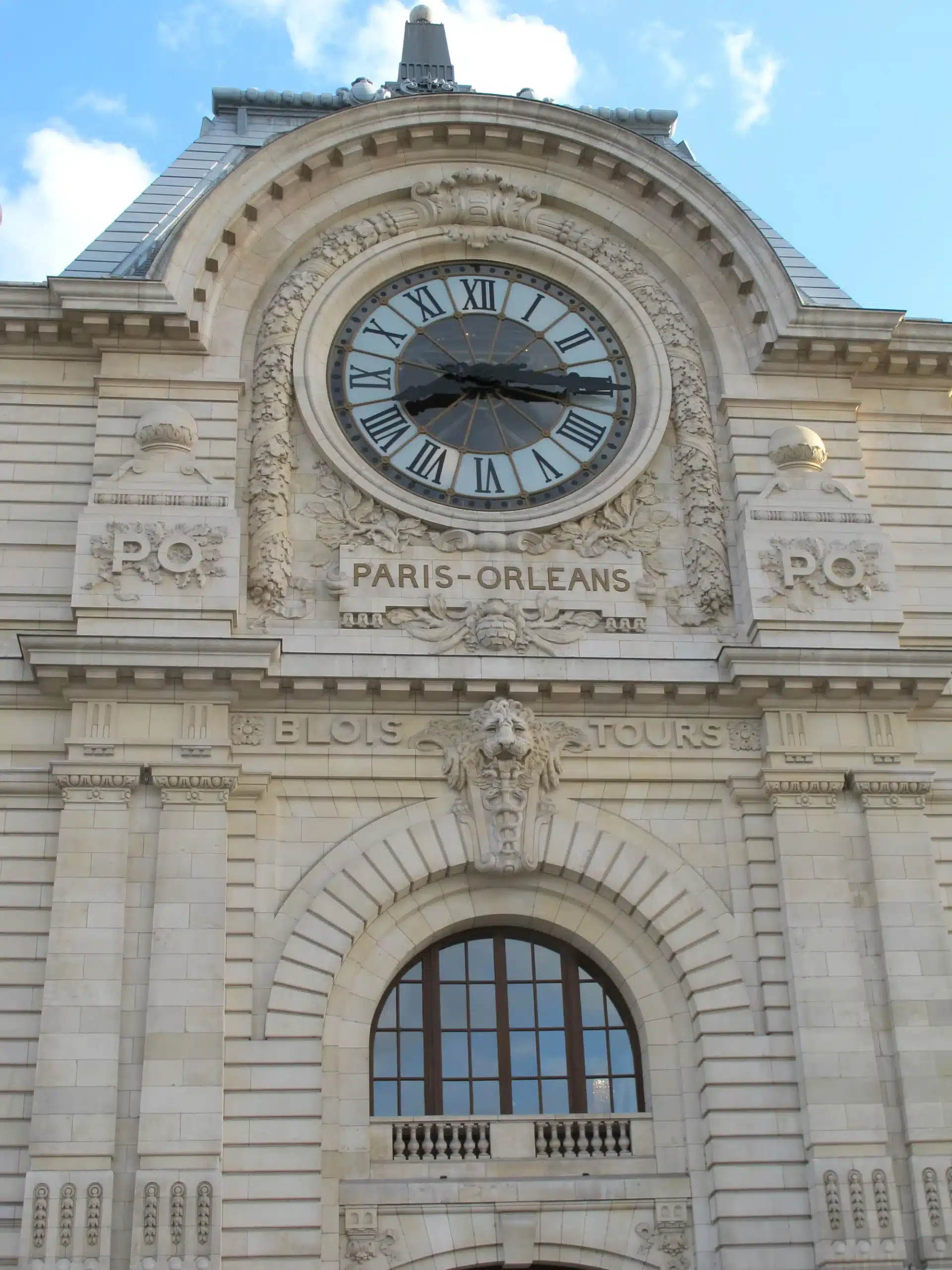
Featured image: Photo: Dev Jadiya / Wikimedia Commons, CC BY-SA 4.0. Resized and converted to WebP; the image adaptation retains its source license.