The best food destinations for 2027 are not necessarily the cities with the cheapest noodles or most famous restaurants. The whole trip matters: accommodation, airport transfers, local transport, seasonality and whether there is enough to justify staying.
These eight cities are not ranked. Instead, each has a defensible culinary identity and practical ways to experience it, with 2026 prices used as benchmarks to check again before booking for 2027.
How to read the prices
Meal figures below are crowdsourced inexpensive-restaurant benchmarks or published sample prices. Hotel figures mix traveler-reported spending with dynamic supplier data and generally exclude taxes and fees. They are useful warning lights, not directly comparable quotes.
Verified euro conversions use the European Central Bank reference rates from October 28, 2026. Local currencies are retained where no authoritative euro rate was supplied. Intercontinental airfare is excluded because departure point, dates and baggage rules would overwhelm any tidy global comparison.
- Strongest ground-value signals: Da Nang and Tbilisi.
- Best car-free transport: Busan.
- Most awkward gateway: Puebla, despite good costs after arrival.
- Biggest cheap-food trap: George Town, where lodging can outweigh hawker savings.
- Most qualified inclusion: Perugia, better understood as an Umbrian food base than a budget culinary capital.

Puebla, Mexico: a serious food city with a transfer attached
Puebla’s case rests on a formidable local repertoire: mole poblano, cemitas, chalupas, molotes, pipián, convent sweets and chiles en nogada. The historic center, El Carmen and Analco make that culture accessible through markets, sweet shops and traditional restaurants rather than a checklist of reservation-only dining rooms.
An inexpensive meal benchmarked at MXN 175, about €8.44. Hotel analysis put average base rooms near €55, rising to roughly €102 in high season before taxes and fees. The catch is arrival: many international visitors will land in Mexico City and spend 150–180 minutes on a coach to Puebla, priced in 2026 at MXN 450–580, or approximately €21.70–€27.96.
Puebla merits two or three nights thanks to its architecture and museums. For chiles en nogada, travel from July through September and accept the rainy-season trade-off; the dish should not be expected outside its ingredient season.
Busan, South Korea: the easiest city to explore without a car
Busan is not merely Seoul with more seafood. Its port-city food identity includes dwaeji-gukbap, milmyeon, fish cake, Dongnae pajeon and market seafood. Jagalchi, Gukje and Bupyeong markets sit alongside the food stalls of BIFF Square and pork-soup restaurants around Seomyeon.
The inexpensive-meal benchmark was KRW 10,000, approximately €6.70. Lodging data ranged from about €43 in low season to €81 at peak, while the traveler-paid double-room average was roughly €74. A city bus cost KRW 1,550 with a transport card; the airport limousine charged KRW 6,000 to Seomyeon and KRW 9,500 to Haeundae, around €4.02 and €6.37.
Busan easily supports three or four nights, but it is long and spread out. Choose Seomyeon for balanced transport, Nampo for market access or Haeundae for the beach. Spring and autumn are preferable to humid summer and periods of typhoon risk.
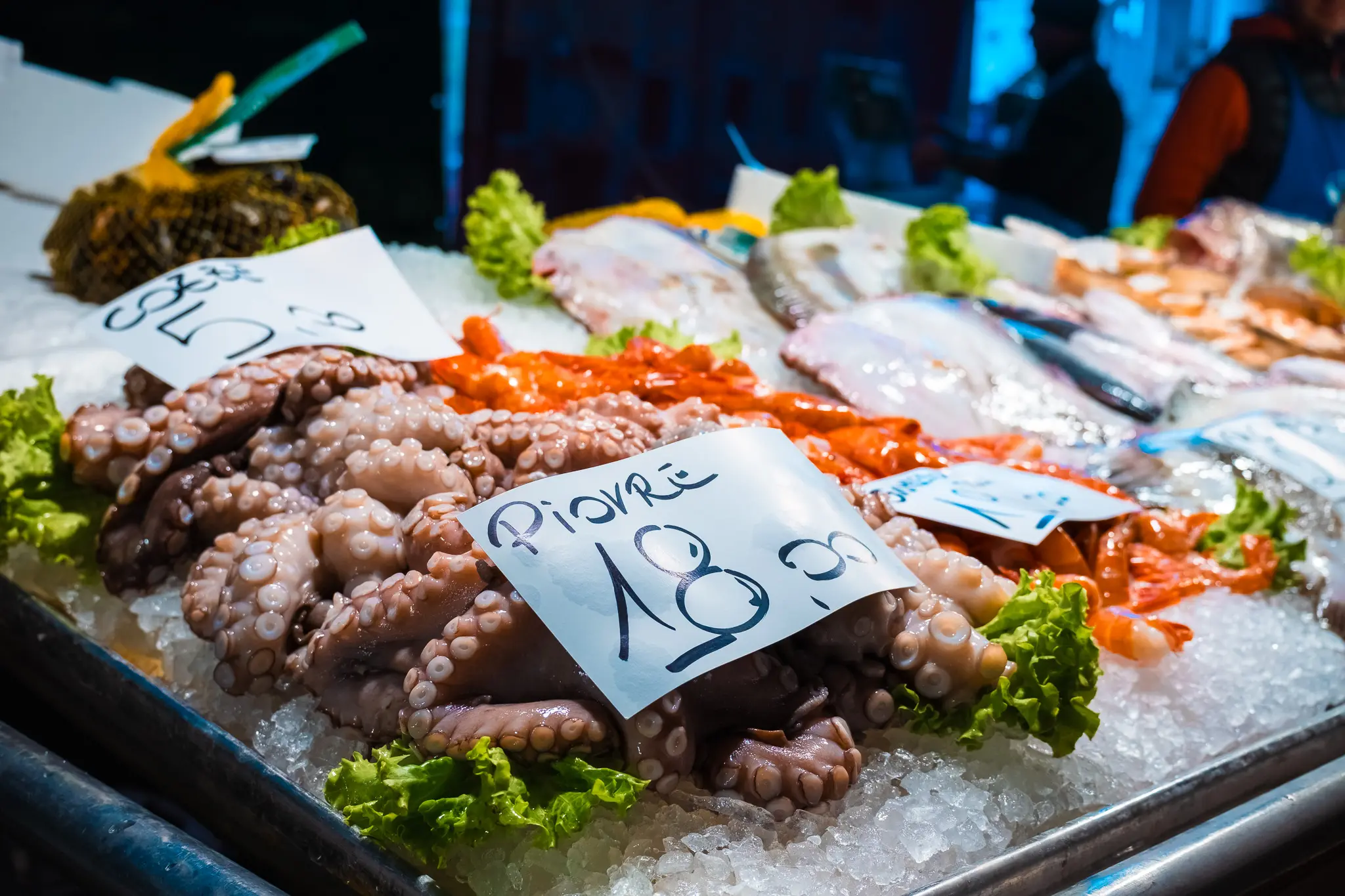
Perugia, Italy: an Umbrian gateway, not the bargain option
Perugia belongs here with an asterisk. Its appeal comes largely from wider Umbrian cooking: torta al testo filled with sausage, greens, cured meat or cheese, plus legumes, olive oil, truffles and chocolate. The compact historic center provides an atmospheric base, but the culinary claim is regional rather than uniquely urban.
An inexpensive restaurant meal averaged €15.50, while a three-course meal for two without drinks benchmarked at €65. More consequentially, average base lodging was about €95 and the high-season figure reached approximately €178 before taxes and fees. That makes Perugia a poor candidate for anyone equating secondary Italian cities with automatic savings.
The center is steep but supported by buses, escalators, elevators and the Minimetrò, whose ordinary fare was €1.50. Limited flights mean Rome or Florence plus ground transport may be more realistic. Two nights work well, particularly with an Umbrian extension, but travelers with limited mobility should scrutinize gradients and accommodation access.
Da Nang, Vietnam: low ground costs and an airport close to town
Da Nang combines mì Quảng, bánh xèo, bún chả cá, chicken rice and seafood with two accessible tasting hubs: Con Market and Han Market. Ordinary noodle shops extend across Hải Châu and Thanh Khê, while the beach districts offer a different, often more expensive, dining economy.
The inexpensive-meal benchmark was VND 60,000, about €2.97. Market dishes were cited at roughly VND 30,000–50,000 at Con Market and around VND 50,000 at Han Market. Hotel averages ran from approximately €28 in low season to €52 at peak before taxes and fees; the traveler-paid double-room figure was about €33.
The airport is only a few kilometres from central Da Nang. City buses are fixed at VND 8,000 through the end of 2027, while 2026 airport-bus fares were VND 15,000–22,000. Stay in Hải Châu for markets or An Thượng and My Khe for the beach. March through May offers the cleanest weather case; autumn savings come with genuine storm and flood risk.
Fes, Morocco: food embedded in the medina
In Fes, the food experience is inseparable from the medina: neighborhood bakeries, spice sellers, preserved foods, couscous, tagines and pastilla operate within a dense, largely car-free urban fabric. Madrasas, workshops, museums and architecture make this more than a guided tasting stop.
An inexpensive meal benchmarked at MAD 30, while a three-course mid-range meal for two without drinks was MAD 300. Average food spending was reported at MAD 410 per person per day, and the traveler-paid double room at MAD 639, about €57. Dynamic hotel data ranged from approximately €55 to €102 before taxes and fees.
For easier arrivals and luggage handling, look near Bab Bou Jeloud or Batha rather than deep inside the lanes. Airport bus 16 has been reported at roughly MAD 3–4, but its timetable and operating pattern require a fresh check; a taxi may be more practical. Allow two or three nights, ideally in spring or autumn. Ramadan dates and daytime dining arrangements also need verification for the intended 2027 stay.


George Town, Malaysia: cheap hawker food, less predictable lodging
George Town offers perhaps the most concentrated everyday eating on this list. Hawker centres and kopitiams bring Malay, Chinese, Indian and Peranakan traditions together through char koay teow, assam laksa, Hokkien mee, nasi kandar and cendol.
Published 2026 examples put char koay teow at RM 8–12, approximately €1.76–€2.64, and nasi kandar at RM 12–18, around €2.64–€3.97. Yet lodging tells a messier story: supplier-derived averages ranged from about €40 to €74 before taxes and fees, while the traveler-reported double-room average was roughly €102. Cheap dinner does not guarantee a cheap trip.
The heritage core is walkable, and the central CAT bus is free. Airport buses 401 and 401E connect the terminal with Komtar and Weld Quay; app-based airport rides were estimated at RM 35–55. Stay near Komtar, Chulia Street or the heritage core. Three or four nights allow time for the UNESCO-listed center, Penang Hill and food districts beyond the headline stalls.
Tbilisi, Georgia: broad Georgian cooking with excellent transport value
Tbilisi functions as a showcase for Georgia’s regional cuisines, even when the dishes are not capital-born. Khinkali, khachapuri, lobiani, kebab and ajapsandali are widely available, while Deserters’ Bazaar supplies cheese, herbs, fruit, churchkhela, tkemali and spices.
An inexpensive restaurant meal benchmarked at GEL 30, and a three-course meal for two without drinks at GEL 100. Reported daily food spending was GEL 37, approximately €13, while a historic traveler-paid double-room average converted to about €23. Treat that room figure cautiously: popular central neighborhoods can cost considerably more.
Metro, buses and minibuses make the city easy to navigate. The municipal fare was GEL 1 with 90 minutes of eligible transfers, and airport bus 337 reached Avlabari, Liberty Square, Rustaveli and Station Square for the same fare, though not throughout the night. Old Tbilisi and Sololaki offer atmosphere; Marjanishvili combines metro access with strong dining value. Three or four nights are justified.

Arequipa, Peru: a culinary institution, not just a dish list
Arequipa is the strongest less-obvious addition because its food culture revolves around the picantería, a wood-fired dining institution and social space recognized in the city’s UNESCO gastronomy designation. Rocoto relleno, ocopa, chupe de camarones, solterito, adobo and chicha de guiñapo provide substance beyond the label.
An inexpensive meal benchmarked at PEN 12, with a three-course meal for two without drinks at PEN 95. Reported daily food spending was PEN 87, approximately €23, and a traveler-paid double room was PEN 171, about €46. Supplier-derived hotel averages ranged from roughly €31 to €57 before taxes and fees.
The historic center is compact and walkable, but the 2027 municipal bus fare needs reconfirmation after changes during 2026. The airport has authorized taxis rather than a comparably simple rail or airport-bus link. Arequipa deserves three nights for Santa Catalina, Yanahuara and its historic center. April through October brings sunnier conditions, but the city’s roughly 2,300-metre elevation can affect a short stay.
Which city fits which trip?
Choose Da Nang when low meal, hotel and local-transport costs matter most, provided the trip avoids the riskiest storm period. Choose Tbilisi for similarly persuasive ground value with wine bars, markets and straightforward airport transport.
Choose Busan for the best transport system and the deepest three- or four-night city break. Choose Puebla for the most clearly defined dish-led trip, especially during chiles en nogada season, if the Mexico City transfer is acceptable.
Choose Arequipa for a distinctive dining institution and strong cultural depth, but account for flight connections and elevation. Choose Fes for immersion rather than frictionless logistics. Choose George Town for hawker variety while watching hotel rates. Choose Perugia for an Umbrian itinerary, not because it is the cheapest European substitute for Bologna.
The useful shortlist for 2027 is not simply the one with the lowest meal price. Da Nang can pair cheap food with inexpensive lodging and airport access; George Town may not. Puebla’s rooms can look reasonable until the gateway transfer is counted, while Busan costs more on the ground but removes much of the transport hassle.
Use these figures to narrow the field, then recheck identical 2027 dates, room conditions, taxes, transport fares and festival calendars before booking. That final price check is what separates an affordable food city from an unexpectedly expensive food trip.