Checked on 2026-11-15. For most travelers, the decision in Japan comes down to one question: do you need your bag back today, or can it arrive at your next hotel later? If you need same-day access, station coin lockers are the simpler fit. If you want to skip carrying luggage between cities or from an airport to a hotel, forwarding is usually the better system—but only if the destination accommodation accepts deliveries and the timing works. The details below are based on current official guidance, but live locker availability, counter cutoffs and hotel receiving rules can still change by station, carrier and property.
Direct answer: choose lockers for today, forwarding for tomorrow
If you need your luggage for the same day, use a station coin locker. If you do not need it until the next hotel, forwarding is usually the more comfortable option.
| Situation | Better option | Why |
|---|---|---|
| Exploring a city for a few hours | Station locker | Fast, local, and meant for short-term storage. |
| Moving from one hotel to another | Forwarding | Sends the bag ahead so you travel light. |
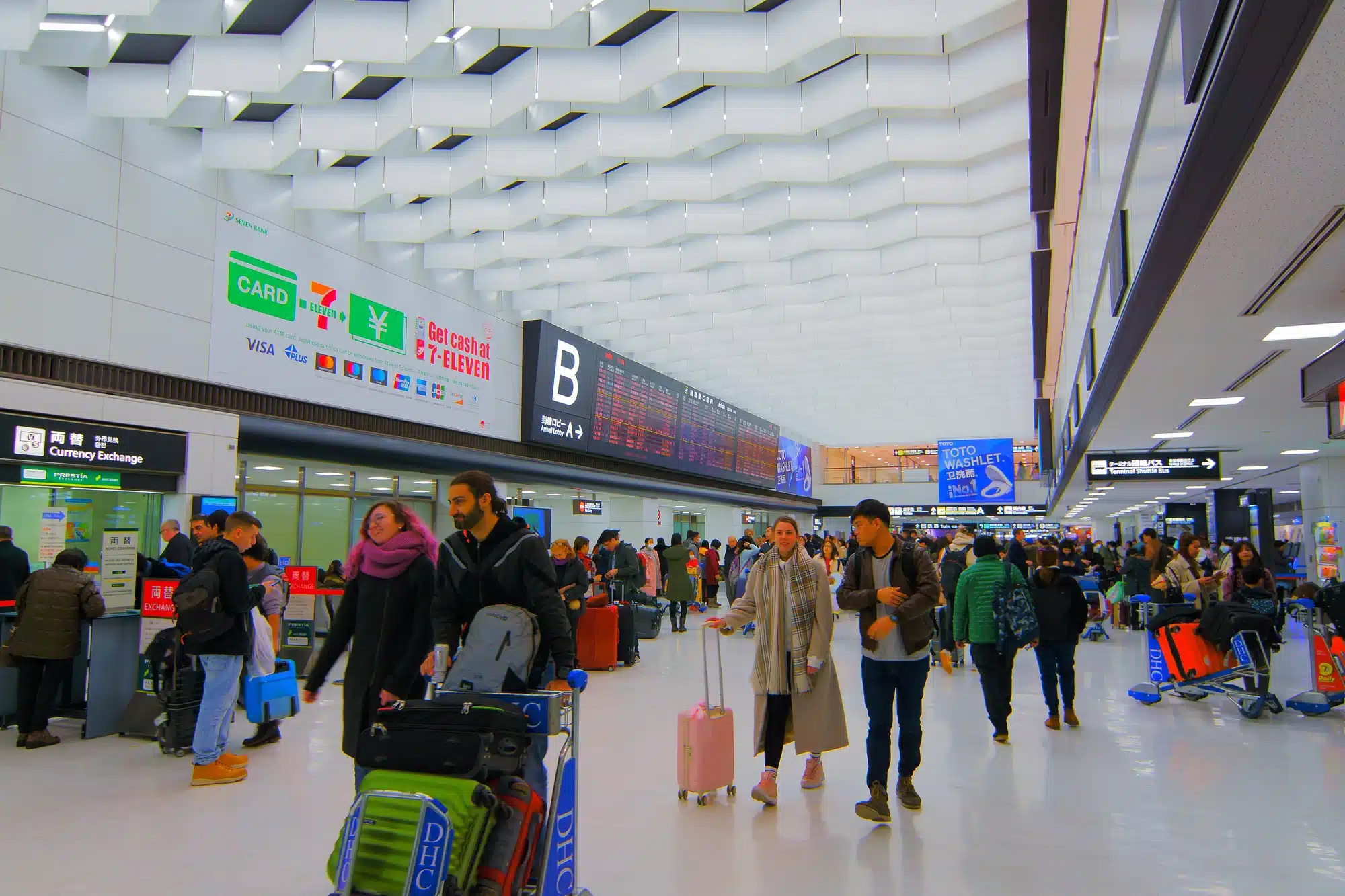
| Arriving at an airport with heavy bags | Forwarding | Major airports in Japan offer delivery services to hotels. |
| Need uncertain or late access to the bag | Locker | You keep the bag with you until you are ready to collect it. |
Japan National Tourism Organization (JNTO) says major airports such as Narita, Haneda and Kansai International offer luggage delivery, while station coin lockers are widely available but can fill up quickly in busy places. JNTO official luggage storage and delivery guide
Practical rule: if you can live without the bag until the destination hotel or ryokan, forward it. If you need the bag back before the end of the day, locker storage is the safer default.
What the official rules say about forwarding
The clearest operator guidance comes from Yamato Transport, whose current English FAQ says hotels and ryokan can receive luggage only if the accommodation is willing to accept it. For hotel delivery, Yamato advises sending the parcel at least two days before check-in, and sometimes three days depending on distance. That means forwarding is not a last-minute miracle service; it is a planning tool.
Yamato also says its standard TA-Q-BIN service usually arrives the next day or within two days inside Japan, excluding some areas. Same-day delivery exists only at certain airport counters and only when you meet the counter cutoff and the destination-area conditions. Do not treat same-day delivery as standard. Yamato FAQ: sending parcels to a hotel or ryokan Yamato FAQ: delivery timing for TA-Q-BIN
JNTO’s general guidance also gives useful service limits to keep in mind: luggage should not exceed about 160 linear cm, around 25 to 30 kg, or 300,000 yen in contents value, and valuables, fragile items, fresh products, liquids and hazardous materials are not accepted. Those are broad limits, not a promise that every carrier will accept every item. Always check the operator’s current terms before you hand over a bag. JNTO official luggage limits summary
When station lockers make more sense
Station coin lockers are the better fit when you want flexibility. JNTO says they are common, and JR East’s guide shows typical locker types—standard, midsize, large and extra-large—with sample prices starting at 300 yen and reaching 600 yen. The guide also notes that lockers are generally available from the first to the last train of the day.
That said, the live situation matters more than the brochure. JNTO warns that lockers in very busy locations can fill up quickly, and JR East says its rates and dimensions are examples only: they may vary by station, and lockers may be moved or removed. So lockers are convenient, but not guaranteed. If you are traveling through a major hub at peak time, the real risk is not the price—it is finding an empty one. JNTO official coin locker guidance JR East coin locker guide
Use a locker when you want to keep your bag for the same day, when you are unsure whether your hotel can receive parcels, or when you only need storage for a few hours between trains and sightseeing stops.
A practical decision guide you can use on arrival
Use this sequence when you are standing at the station or airport:
- Will I need the bag again today? If yes, start with a locker.
- Am I going straight to another hotel or ryokan? If yes, forwarding is usually the better fit.
- Does the destination property accept deliveries? If you are forwarding, confirm this first; Yamato’s FAQ says the accommodation must be willing to accept the luggage.
- Do I meet the timing? For hotel delivery, plan at least two days ahead, or longer if distance requires it.
- Is the item oversized, fragile, or valuable? If so, check whether forwarding is allowed before you rely on it.
Future applicability caveat: these rules are stable enough to plan around, but they are not universal. Different carriers besides Yamato can have different cutoffs, size caps and acceptance rules, and station locker inventory changes by location. For trips later in 2026 or beyond, treat this as a planning framework and re-check the exact station, airport counter and hotel policy before you commit. This article was checked on 2026-11-15.
In short: lockers are for today, forwarding is for later. If your day depends on same-day access, do not gamble on delivery timing. If your trip becomes easier by removing a bag from your hands for a day or two, forwarding is the more useful system—provided the receiving hotel can take it and you are inside the operator’s timing window.
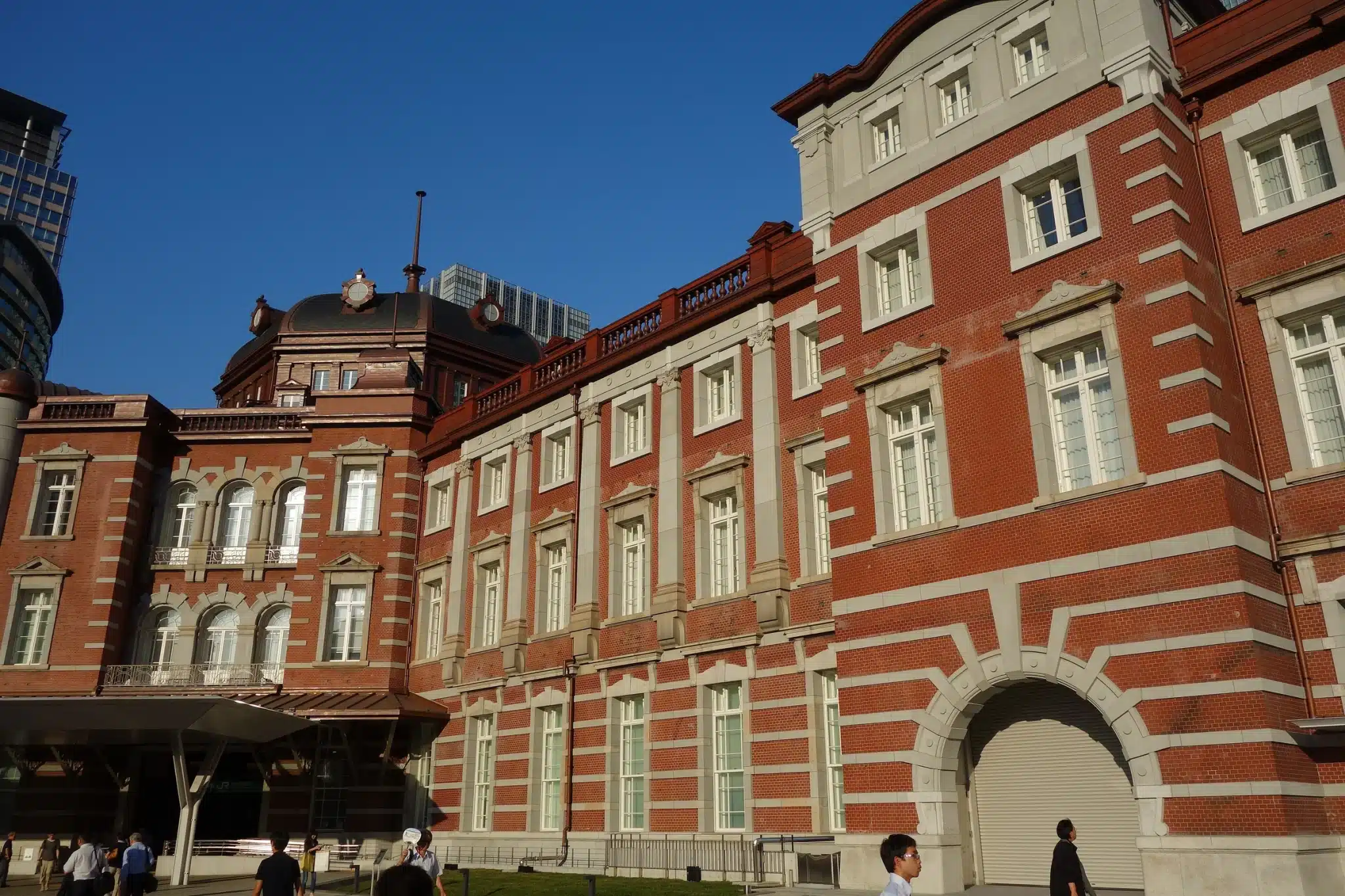
Featured image: Contextual daytime view of Tokyo Station's Marunouchi building, usable for the locker section when no locker-bank photo is available; it does not show lockers. Photo: Daderot / Wikimedia Commons, CC0. Resized and converted to WebP; the image adaptation retains its source license.