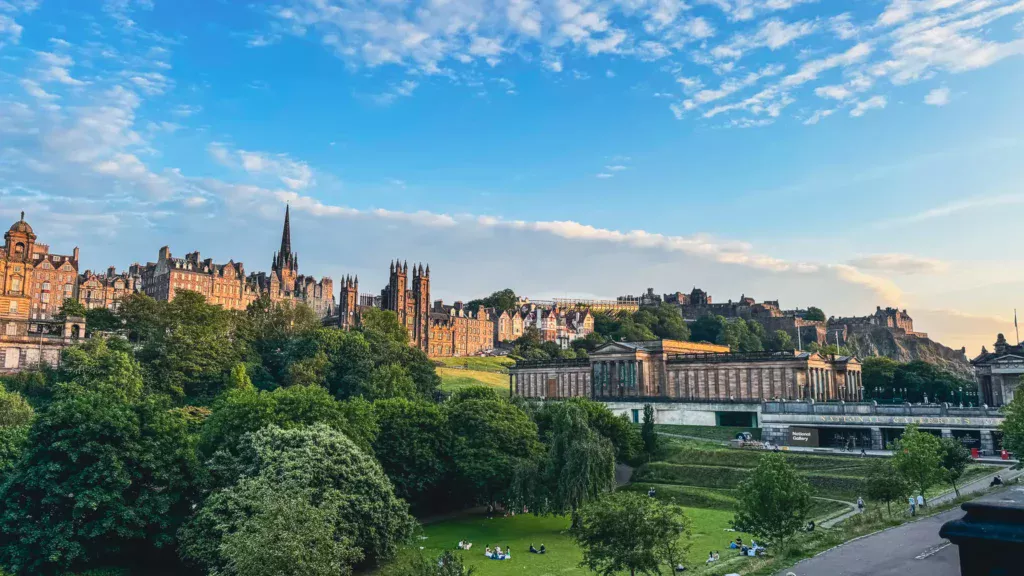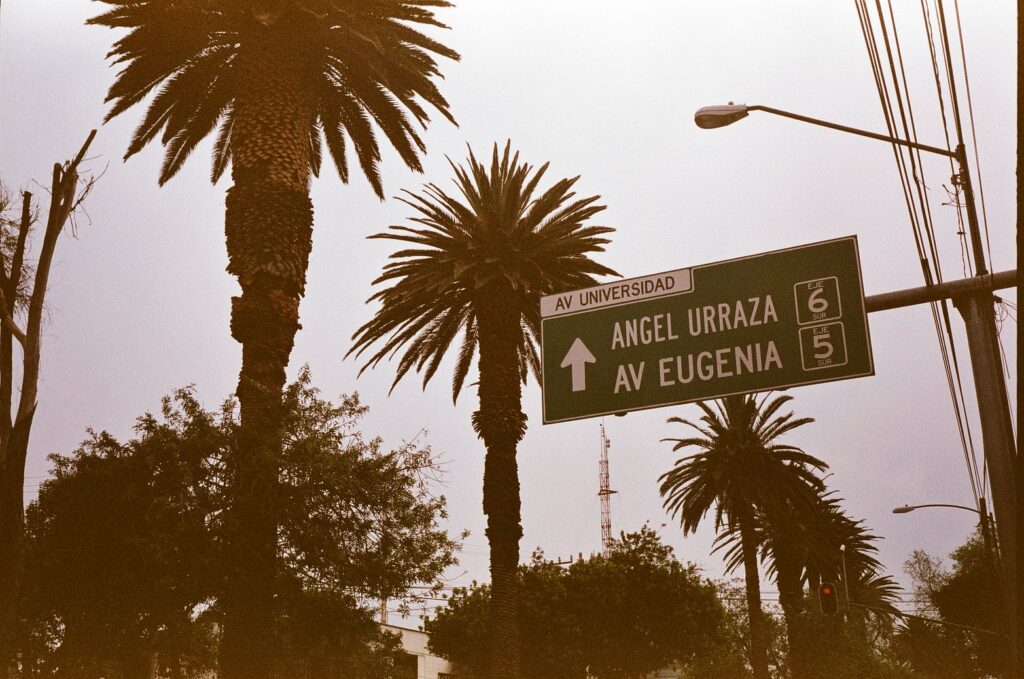
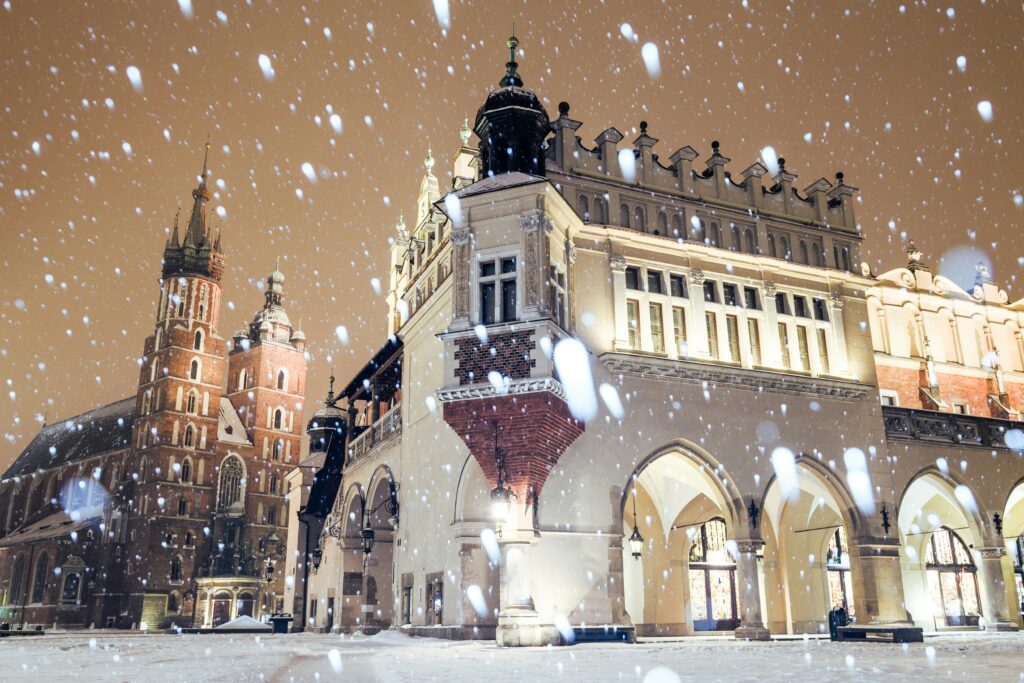
Europe’s cheaper winter city breaks do not stay cheap on command. A destination with reasonable meals and transport can still produce alarming hotel quotes over New Year, while a supposedly expensive city may become competitive in quiet mid-January.
These ten affordable winter destinations in Europe are therefore presented as places to price-check, not as a definitive cheapest-to-priciest ranking. The comparison uses the Post Office Travel Money City Costs Barometer 2026 as a consistent baseline, then considers winter weather, daylight, transport and whether there is enough to do when conditions turn cold, wet or both.
How to compare winter costs without fooling yourself
The Post Office barometer compared 12 costs for two people in 50 European cities, including two nights in a three-star hotel, meals, drinks, airport transfers, local transport and attractions. It is useful because the basket is consistent. It is not a winter hotel-price survey: accommodation was sampled for June 5–7, 2026.
Every total below is therefore a current relative-value benchmark for two people, not a quote for December 2026 or January 2027. Before booking, compare refundable, tax-inclusive accommodation for three revealing windows:
- December 3–6, 2026: an ordinary early-December weekend.
- December 30, 2026–January 2, 2027: the holiday-distortion test.
- January 14–17, 2027: a better indicator of ordinary post-holiday value.
Use the same criteria in every city: a central three-star room with a private bathroom for two adults, then add mandatory taxes, airport access, 72 hours of local transport, meals and two paid attractions. International airfare is excluded because origin, baggage and booking date can completely rearrange the result.
Sarajevo, Bosnia and Herzegovina
Sarajevo produced the lowest total in the common 2026 basket at £248.29 for two. That included £157 for two hotel nights and £91.29 for the remaining food, drink, transport and attraction items. A surveyed three-course dinner with wine for two cost £62.86.
The city earns its place through substance as well as price: Ottoman and Austro-Hungarian heritage, Yugoslav history, siege-related museums, cafés and a broader winter identity linked to the 1984 Winter Olympics. The historic core is compact, and Sarajevo Airport currently lists its direct Airport–Bentbaša bus at 5 KM each way.
Long-term normals put mean temperatures at about 1.1°C in December and 0.4°C in January. Snow is possible, especially in the surrounding mountains, but city snow and clear mountain views are never contractual obligations.
Best window to test: Mid-January, when indoor attractions and food remain worthwhile without relying on festive programming. Compare it with early December rather than assuming it is cheaper.
The catch: Fog, damp cold and poor visibility can undermine mountain plans. Holiday museum and restaurant hours need checking. U.S. visitors using private accommodation must also ensure mandatory local registration is completed; registered hotels and hostels normally handle it.
Bucharest, Romania
Bucharest’s benchmark was £258.07 for two, including £148 for two hotel nights. The non-hotel portion was £110.07, while the surveyed dinner with wine for two came to £65.53.
This is a large, busy capital rather than a preserved old-town snow globe. That works in winter: museums, historic interiors, cafés, restaurants and nightlife provide alternatives when the pavements are icy and the sky is doing its best impression of concrete.
Bucharest Băneasa normals show mean temperatures around 0°C in December and -1.5°C in January. Snow and freezing rain are possible, but dependable picturesque snow is not. For airport access, Henri Coandă Airport says trains to Gara de Nord run around the clock at roughly 40-minute intervals.
Best window to test: Mid-January is the strongest candidate for lower lodging costs; early December may be better for evening atmosphere.
The catch: Bad weather and traffic can slow surface transport. The Palace of Parliament and some museums may require identification or advance arrangements. Most importantly, Bucharest’s low June-sampled hotel component says nothing reliable about New Year’s Eve rates.

Tirana, Albania
Tirana ranked third in the common basket at £262.85 for two. Its £128 hotel component was the lowest among these ten cities, although the £134.85 non-hotel subtotal shows why it is unwise to label every part of a Tirana trip exceptionally cheap. Dinner with wine for two was £63.94.
Museums, Bunk’Art sites, markets, cafés and a busy food scene give Tirana enough depth for a short winter break. Dajti can add a mountain counterpoint when the weather and cable-car operation cooperate.
Winter is generally milder than in the inland Balkan capitals, but also wetter. Rain is a more useful planning assumption than snow. The city relies mainly on buses rather than a metro or urban rail system, and traveler-facing information can be less standardized than in many EU capitals.
Best window to test: January may produce the stronger room value, while early December should offer more evening activity. Search both.
The catch: Traffic, wet weather and inconsistent transport information complicate budgeting. Check airport and urban bus fares directly before travel, and do not plan around Dajti views or snow until conditions and operations are confirmed.
Belgrade, Serbia
Belgrade’s basket totaled £265.13 for two, with £144 allocated to two hotel nights and £121.13 to everything else. The surveyed three-course dinner with wine cost £67.24.
The city is particularly convincing for food, nightlife, café culture, Yugoslav history and indoor cultural attractions. Better yet, the Tourist Organization of Belgrade says buses, trams, trolleybuses and BG Train services have been free for passengers since January 1, 2025.
Mean temperatures are approximately 2.9°C in December and 1.9°C in January. Snow can occur, but grey skies, fog and cold wind are safer assumptions.
Best window to test: Mid-January suits nightlife and food-focused trips because the city remains active after the festive period.
The catch: New Year celebrations can send accommodation prices sharply upward. Special airport minibuses may still charge a fare even though regular city transport is free. Check closures around Serbian Orthodox Christmas on January 7, and expect the riverfront to be considerably less charming in a hard winter wind.

Riga, Latvia
Riga’s benchmark was £278.19 for two: £140 for two hotel nights and £138.19 for the remaining basket. Dinner with wine for two cost £69.88.
Art Nouveau architecture, the Central Market, museums, cafés and saunas make Riga practical even when the weather is hostile. Airport bus 22 takes about 40 minutes to reach the center, and the current 24-hour public-transport ticket costs €5.
Winter brings some combination of cold, snow, thaw, rain, ice and slush. It also brings serious darkness: an EU solar timetable gives Riga only about 6 hours 44 minutes of daylight on December 20. Schedule architecture walks and viewpoints around the middle of the day rather than pretending sunset is an evening event.
Best window to test: Mid-January should be compared with early December, when decorative lighting and festive demand may support higher rates.
The catch: Riga’s accommodation levy rises during the travel period. The official municipal rate is €0.89 per person per night through December 31, 2026, then €1.78 from January 1, 2027, capped at ten nights. January could still cost less overall, but only after including the higher tax.
Vilnius, Lithuania
Vilnius reached £289.39 for two in the 2026 basket, including £162 for two hotel nights and £127.39 in other costs. Dinner with wine for two was £68.84. The city also charges a €2 per-person, per-night city tax.
The historic center is compact, while museums, distinctive food and atmospheric streets give the city enough winter purpose. Official JUDU information confirms several airport bus links, including night service; route 3G operates approximately every ten minutes.
Vilnius is one of the colder options, with a January mean near -3.7°C. It is also dark: expect roughly 7 hours 14 minutes of daylight on December 20. Snow is possible, but frozen lakes and white-roof photographs should remain hopes rather than itinerary foundations.
Best window to test: January for a quieter, museum-heavy trip, with a possible Trakai excursion only if transport and weather cooperate.
The catch: Ice and very short days materially affect sightseeing. Current Lithuanian transport information lists €1 for 30 minutes, €1.25 for 60 minutes and €7.50 for 24 hours, while an English-language FAQ has displayed older fares. Confirm the applicable tariff before budgeting.
Kraków, Poland
Kraków is not among the six lowest-cost cities here. It ranked 13th of 50, with a benchmark of £350.66 for two. Two hotel nights accounted for £181, while the surveyed dinner with wine for two reached £93.01. The numbers do not support calling Kraków uniformly ultra-cheap.
What it offers instead is unusually strong winter practicality: a walkable historic core, Wawel, major museums, food halls, nightlife and access to Wieliczka. If freezing rain arrives, there is no shortage of indoor fallback material.
Current fares introduced in March 2026 include PLN 20 for a zone-I 24-hour ticket, PLN 40 for 48 hours and PLN 55 for 72 hours across zones I–III. Kraków Airport also has a rail station connected with the main station.
Best window to test: Mid-to-late January, after December market demand and New Year. Check Polish school-holiday dates before assuming rates will be low.
The catch: Kraków plans to introduce dynamic, distance-based public-transport pricing in January 2027. The implementation date and future of visitor passes still require confirmation. Snow cover is not guaranteed, and Auschwitz-Birkenau should not be treated as a casual budget attraction or bundled into a jaunty checklist.

Gdańsk, Poland
Gdańsk’s basket totaled £355.28 for two. Its non-hotel subtotal was a competitive £120.28, but two nights of accommodation cost £235—far more than in Riga, Vilnius or Kraków. Dinner with wine for two was £66.23.
The reason to keep Gdańsk on the shortlist is its combination of maritime history, reconstructed architecture and serious indoor attractions, including the Museum of the Second World War and the European Solidarity Centre. Rail links also broaden the trip across the Tricity.
Gdańsk Airport has a station directly in front of the terminal, with services toward central Gdańsk. City and metropolitan fare integration can be confusing, so price the exact journeys required rather than grabbing the first pass with “Tricity” in its description.
Best window to test: January is the better hypothesis because December festivities can increase Old Town demand.
The catch: Accommodation was already the weak part of Gdańsk’s cost basket, and the Post Office noted rising hotel prices. Coastal wind, damp cold and early darkness can also make waterfront wandering a fairly short-lived pleasure.
Budapest, Hungary
Budapest placed 17th in the 50-city comparison, with a total of £361.19 for two. The hotel component was £176—slightly below Kraków’s—but other costs reached £185.19. Dinner with wine for two was £82.73.
The city remains one of the most complete budget winter city breaks in Europe, provided “budget” is used with some restraint. Thermal baths, architecture, museums, markets and nightlife work across a broad range of weather, although a bath ticket can push the real trip cost above a generic attraction basket.
BKK currently lists a 24-hour travelcard at HUF 2,750 and a 72-hour card at HUF 5,750. Neither covers the 100E Airport Express, which requires separate ticketing.
Best window to test: After the first January weekend, when the city should remain fully functional but festive-period pressure may have eased.
The catch: Popular bath sessions and New Year accommodation can be expensive or crowded. Check bath maintenance schedules, holiday hours and admission prices before choosing a facility. Budapest can offer good value; that is not the same as everything being cheap.

Athens, Greece
Athens is the mild-weather counterweight rather than a claim to bargain-basement supremacy. It ranked 19th, with a basket of £373.07 for two: £181 for two hotel nights and £192.07 in other costs. Dinner with wine for two was £75.60.
Winter reduces heat and peak-season crowd pressure around the city’s archaeological sites, while museums provide substantial wet-weather backup. Conditions are generally milder and daylight longer than in the Baltic or inland Balkan cities, but December and January can still be rainy, windy and cool. Poorly insulated accommodation may feel colder than the thermometer suggests.
OASA offers a €20 three-day tourist transport ticket covering unlimited urban travel and one airport trip in each direction. A standard 24-hour urban ticket costs €4.10 but excludes the airport.
Best window to test: January after New Year, while comparing rates with ordinary early-December dates.
The catch: Greece’s published winter climate-resilience fee is €1.50 per room per night for a three-star hotel from November through March. Archaeological sites use shorter winter schedules, and exact 2026–27 ticket prices and free-admission dates still need confirmation. Athens belongs here for variety and winter practicality, not because it matches Sarajevo on cost.
What to verify before booking December 2026 or January 2027
These destinations have credible current value evidence, but the final winner depends on live winter prices. Before paying, run the same checks for every serious candidate:
- Compare tax-inclusive, refundable accommodation for early December, New Year and mid-January.
- Check whether breakfast, cleaning charges, city taxes and mandatory fees are included.
- Price airport access separately from ordinary city transport.
- Verify holiday closures, timed-entry requirements and winter attraction hours.
- Check school holidays, local events and Orthodox Christmas where relevant.
- Confirm winter transport schedules and any planned fare changes, particularly in Kraków.
- Treat snow, frozen lakes and mountain operations as conditional.
Entry requirements also need a late check. The European Union currently schedules ETIAS to begin sometime in the last quarter of 2026, with a listed application fee of €20, but no exact launch date has been announced. Travelers affected by the system should use the official portal rather than relying on an old booking-site summary.
For the lowest current common-basket costs, start with Sarajevo, Bucharest, Tirana and Belgrade. Riga and Vilnius add compelling Baltic value if limited daylight and icy conditions are acceptable. Kraków, Gdańsk and Budapest cost more but compensate with deep winter-ready sightseeing, while Athens trades the lowest prices for milder conditions and extensive archaeology.
The sensible move is not to crown a winner yet. Price the same room standard across the three comparison windows, add taxes and airport transport, and keep New Year separate from ordinary winter dates. A cheap dinner cannot rescue a punitive hotel bill—and a £20 room saving is not much of a victory if getting from the airport costs the difference.