
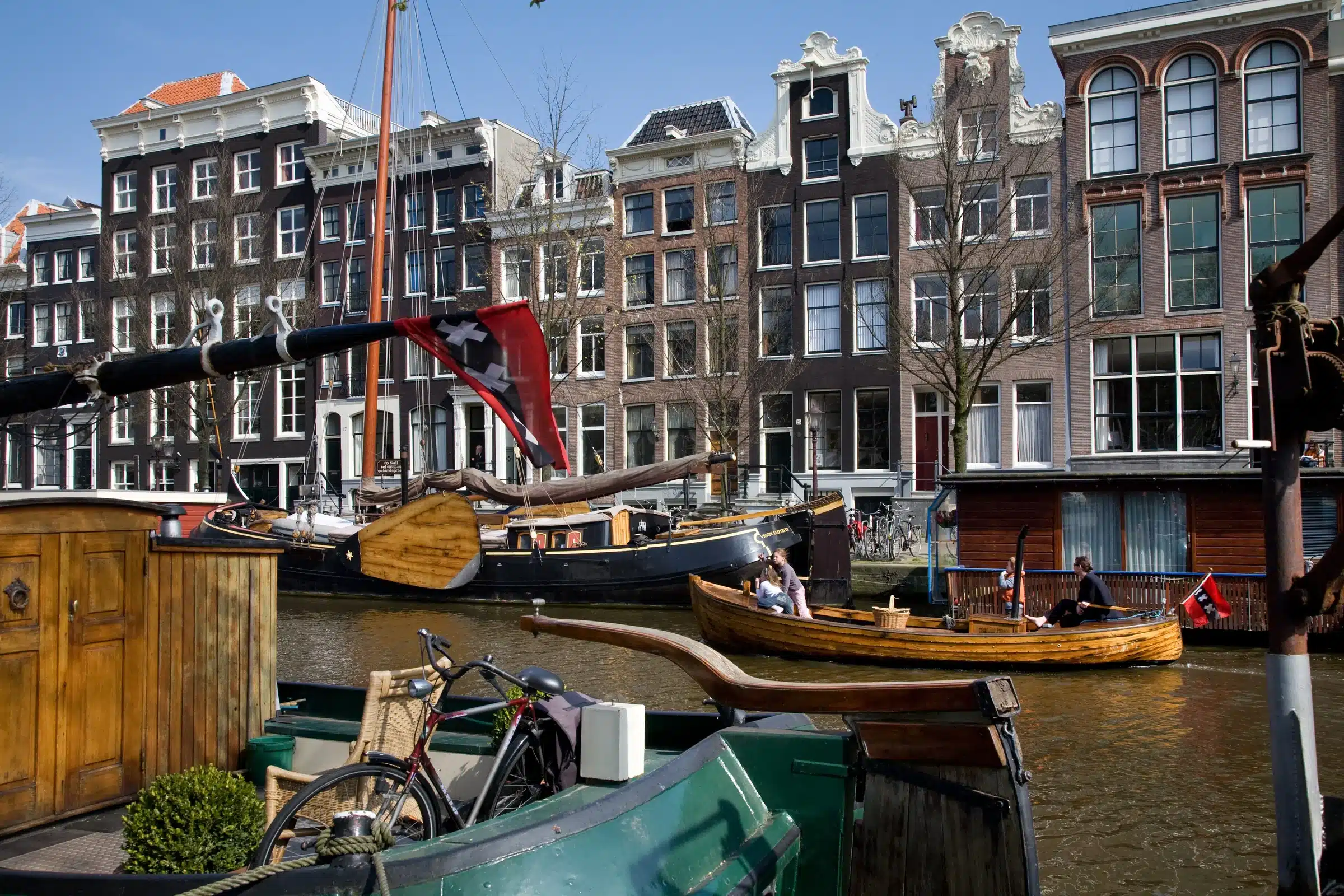
An editorial starting point: two days for canals and a major museum, three for a neighborhood day across the IJ.
Compare the Canal Ring, Jordaan, De Pijp and Oud-West by your actual route, accessibility needs and accommodation terms.
Rijksmuseum, Van Gogh Museum and Anne Frank House use timed entry. Reserve before building the rest of the day.
GVB handles city transit; NS airport trains are a separate product. Check the correct operator and payment rules.
Canals are the starting point, not the whole city. Give Amsterdam a little room: a museum morning, a market lunch, a ferry across the IJ and a neighborhood you explore without a checklist. This first-visit guide helps you choose a base, book the important slots and leave the rest of the day open.
Practical sources checked November 9, 2026. Neighborhood choices and suggested itineraries are editorial recommendations, not hotel rankings or live availability checks.
When to go, what the city feels like, and the first planning decisions
Start here
Begin with the geography. The historic centre and Canal Ring make an easy introduction; Jordaan sits beside the western canals, Museumplein anchors a museum day, De Pijp adds a market-and-food focus, and Noord changes the perspective across the IJ. The official neighborhood overview is useful for planning the shape of a day.
For a short visit, choose one major timed attraction per day and group the surrounding walks nearby. A second ticket is only useful if it leaves enough time for lunch, getting between places and actually enjoying the museum. Avoid building a day that depends on crossing the city repeatedly.
Seasonal choices depend on your priorities. Plan indoor alternatives for a walking day, take a light rain layer and check the forecast near departure. If tulips are the main reason for your trip, verify seasonal garden opening dates separately; a city guide is not a bloom forecast. Use the official visitor information for broader planning.
Neighbourhood bases that make a first trip easier
Where to stay
Use these areas as a route-based shortlist, not a cheapest-or-best ranking. Check the exact street, transport connection, room accessibility and cancellation terms before choosing accommodation. Prices for particular dates need a fresh comparison.
Canal Ring / City Centre
A practical option for a short stay built around central canals and walking. Check the precise address and nearby evening activity; accommodation terms and street noise matter more than the district name alone.
Jordaan
Jordaan is a former working-class district that I amsterdam describes as one of Amsterdam’s most charming neighbourhoods, with café terraces, Noordermarkt, quirky museums and the Anne Frank House nearby. It suits travellers who want attractive streets and short walks to the historic core.
De Pijp
Useful if you want food, bars and easy access to a residential but lively district. It is a sensible base for travellers who prefer neighbourhood life over the most postcard-heavy centre.
Oud-West
A useful middle ground if you want to be near the centre without staying in its busiest pockets. It is often a smart pick for visitors who plan to split time between museums, cafés and everyday city life.
Oud-Zuid
Well placed for museum-heavy trips and for travellers who want a quieter, more residential atmosphere. This can work especially well if the Rijksmuseum and Museumplein are high on your list.
Amsterdam Noord
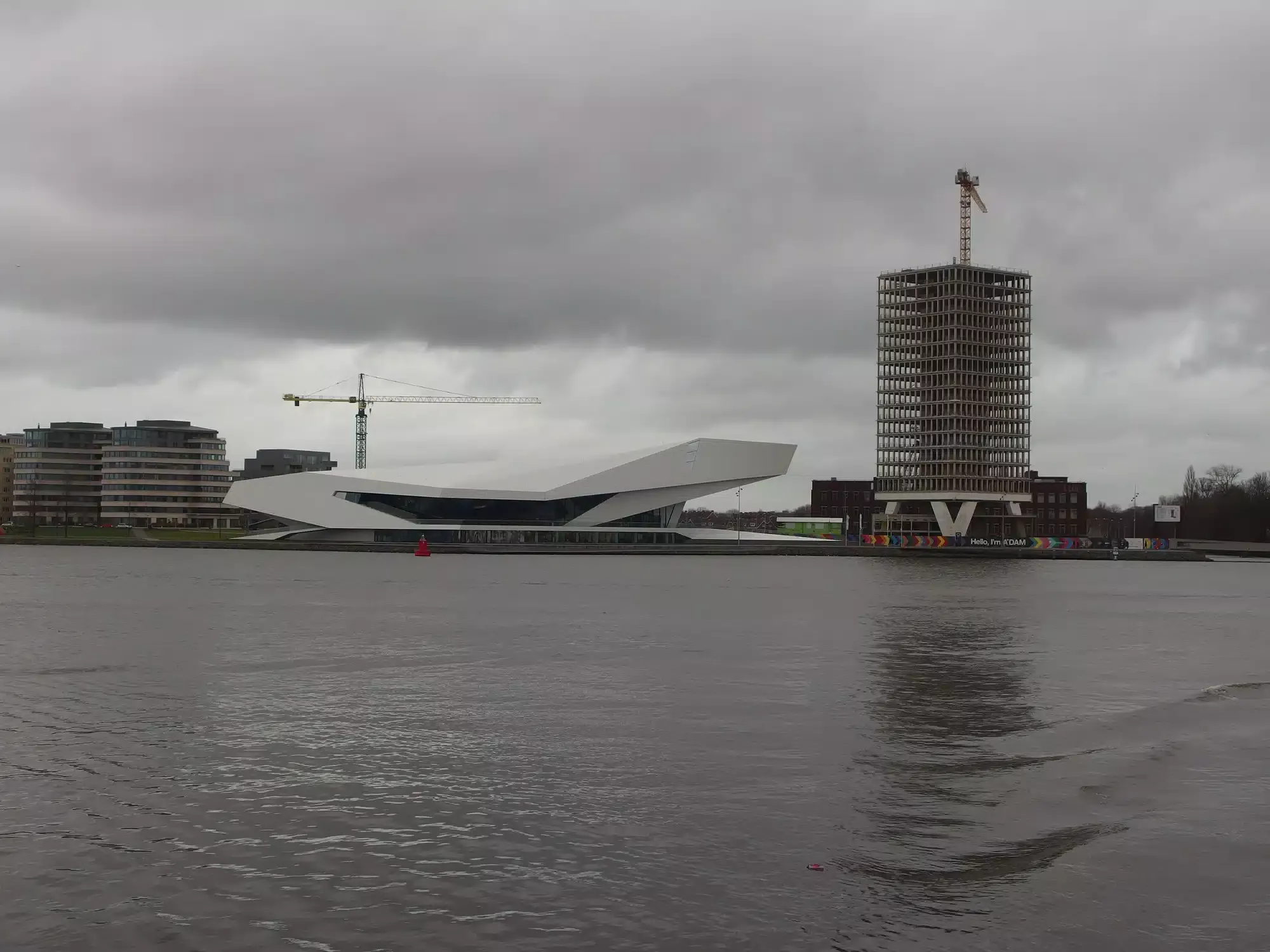
Across the River IJ, Noord gives you a less central base with a contemporary feel. I amsterdam highlights green space, villages, architecture, festivals, museums, gig venues, dining and waterside hangouts here, plus the free ferry from behind Central Station.
Oost / De Plantage
Useful if you want parks, museums and a slightly less tourist-dense feel while still staying close to the centre. These neighbourhoods suit visitors who prefer a quieter base but do not want to sacrifice convenience.
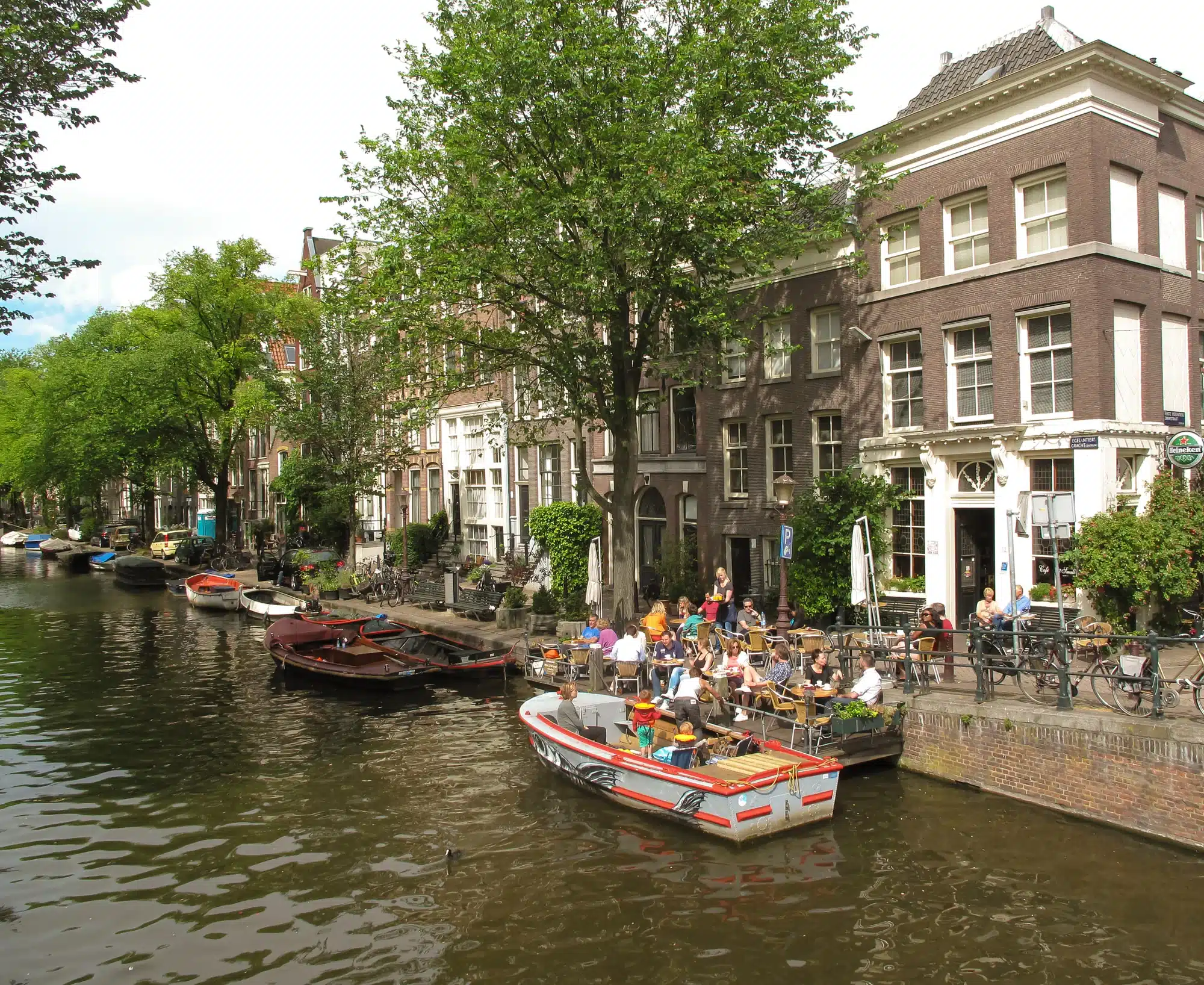

A first-trip shortlist that balances icons and neighbourhood time
What to do
Book one headline attraction, then build a neighborhood day around it. Rijksmuseum and the Van Gogh Museum require timed reservations; the Anne Frank House sells tickets through its own website. A walking tour with a similar name is not a museum admission.
Keep some unbooked time for canal-side walks and a market or ferry crossing. Those small transitions are part of the visit rather than gaps to fill with another ticket.
Rijksmuseum
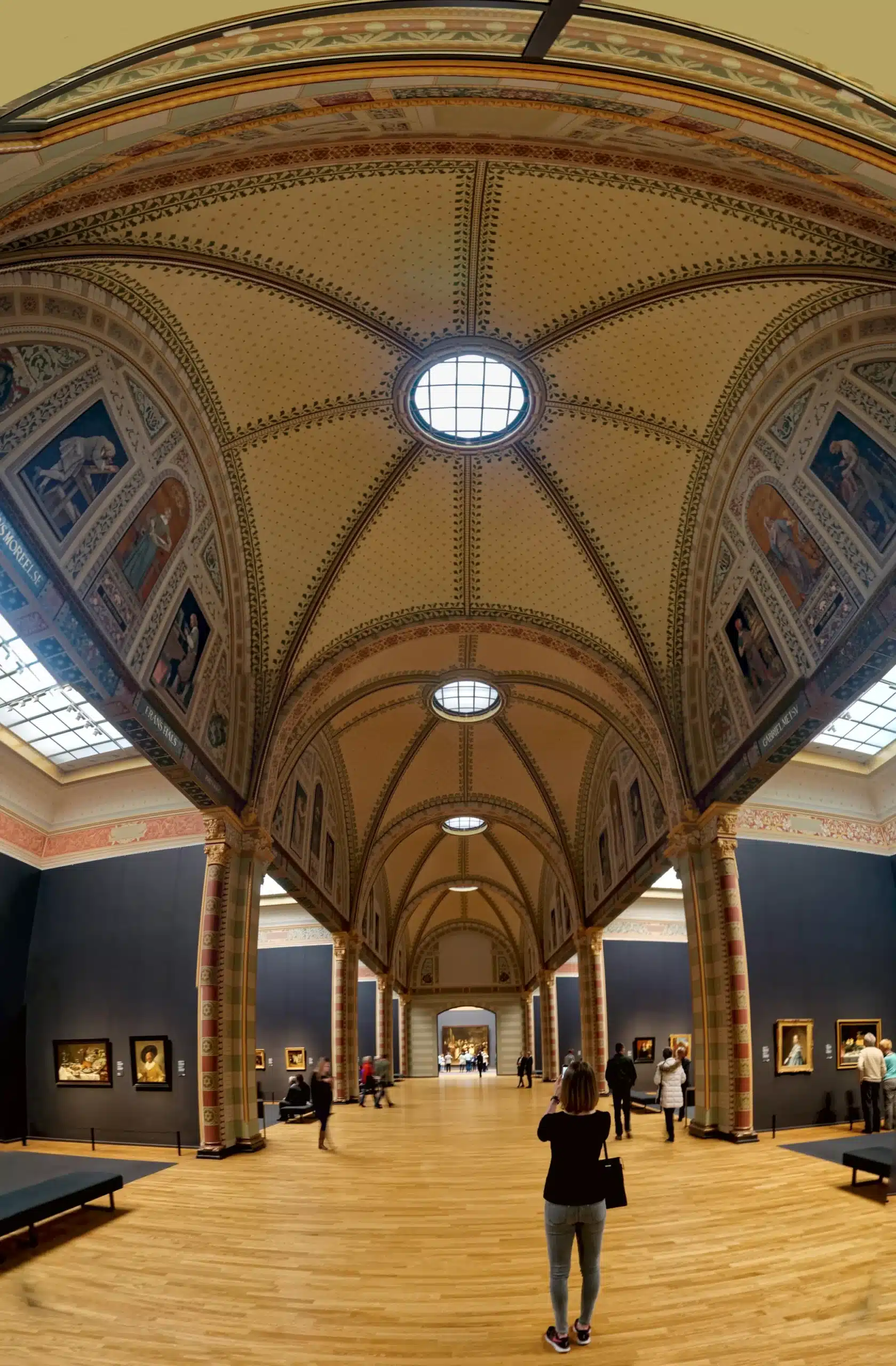
Reserve a timed entry and plan for at least part of a day around it. The museum itself says a reservation is required for everyone, including Museumkaart holders, and recommends buying online in advance.
Van Gogh Museum
Choose a timed visit through the official museum website. Pair it with nearby Museumplein and a relaxed lunch, rather than rushing through two major collections in one morning.
Anne Frank House
Book through the museum’s official website. Tickets are released weekly for visits six weeks ahead; check its current release schedule and your chosen date rather than relying on last-minute availability.
Jordaan walk
Use Jordaan for streets, small shops, market atmosphere and an easy link between the centre and a more residential feeling. It is one of the clearest neighbourhoods to include on a first trip.
Amsterdam Noord ferry crossing
Cross by the free ferry behind Central Station and use Noord for architecture, waterside hangouts, green space and a less central pace. It is a simple way to see how the city changes across the river.
Canal-ring wandering
Build at least one slow, low-stakes hour into the trip for canal-side walking, bridge views and coffee stops. This is not a city that needs every moment scheduled.
Albert Cuypmarkt and De Pijp
Browse the market, then slow down around De Pijp and Sarphatipark. Check opening arrangements for your date; not every stall will be trading whenever you arrive. Explore De Pijp.

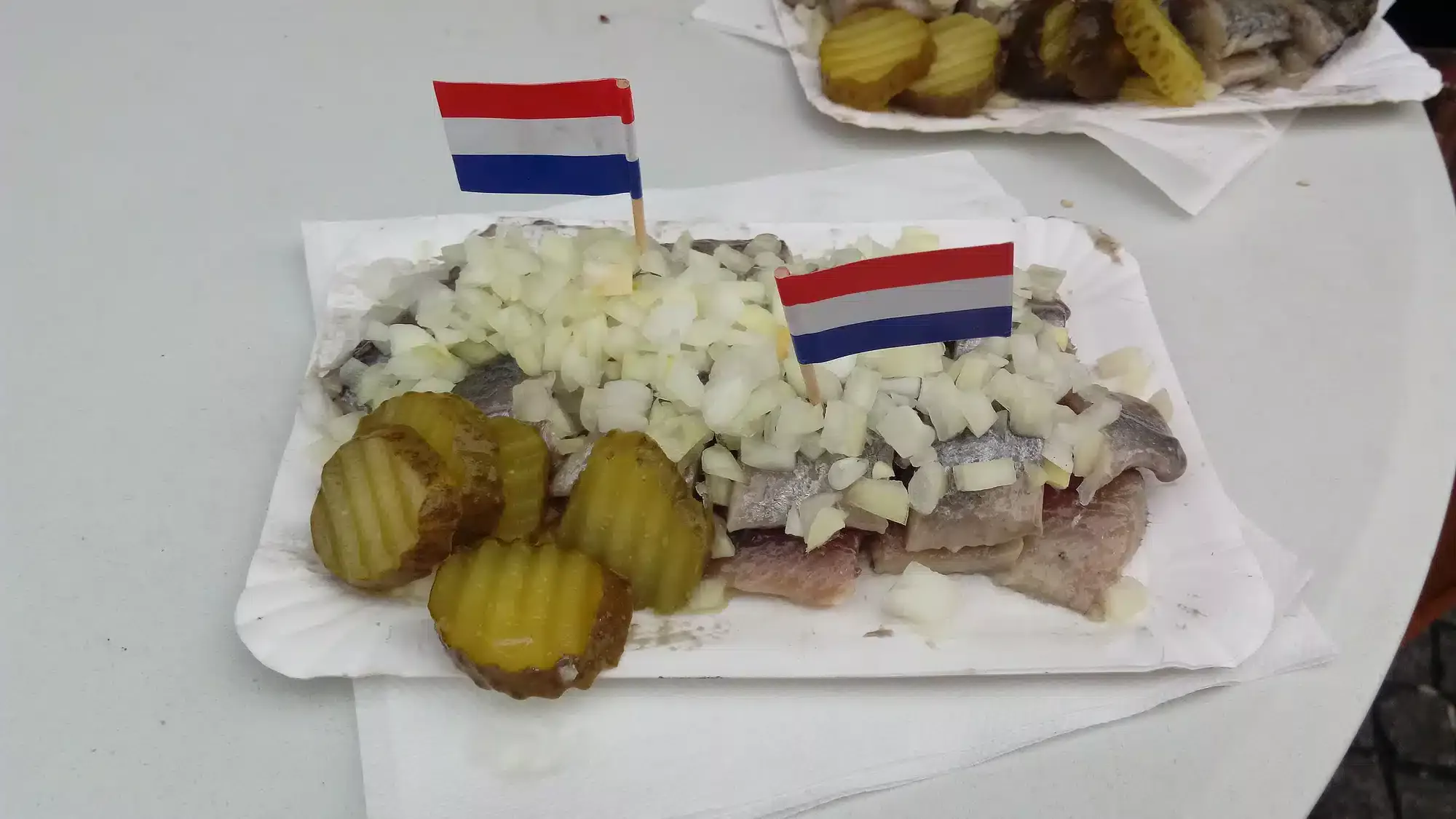
Local dishes worth seeking out
What to eat
Start with a few Dutch and Indonesian-Dutch food traditions, then follow your appetite. The official Dutch food guide is a useful introduction; these are dishes to recognize, not endorsements of particular stalls or restaurants.
Build a flexible food day: one snack during a walk, a casual lunch and a dinner you actually want to sit down for. Check ingredients when dietary restrictions matter, and read the menu before ordering rather than assuming every version is the same.
Stroopwafel
Two thin waffles with a syrup filling; a simple stop during a market or canal walk.
Haring
Dutch herring is lightly cured. Ask how it is served rather than expecting a sushi-style preparation.
Kibbeling
Battered, fried fish pieces: a recognizable Dutch-style snack or quick lunch.
Bitterballen
Crisp, deep-fried ragout bites, traditionally made with meat. Ask about fillings and vegetarian alternatives.
Frietjes / patat
Fries with sauces such as patatje oorlog or patat speciaal. Check sauce ingredients if needed.
Pannenkoeken
Large Dutch pancakes with sweet or savory toppings; a flexible lunch or dinner option.
Rijsttafel
An Indonesian-Dutch spread of small dishes. Check what is included and how portions are priced.

Airport arrival, city tickets and the simplest rules
How to get around
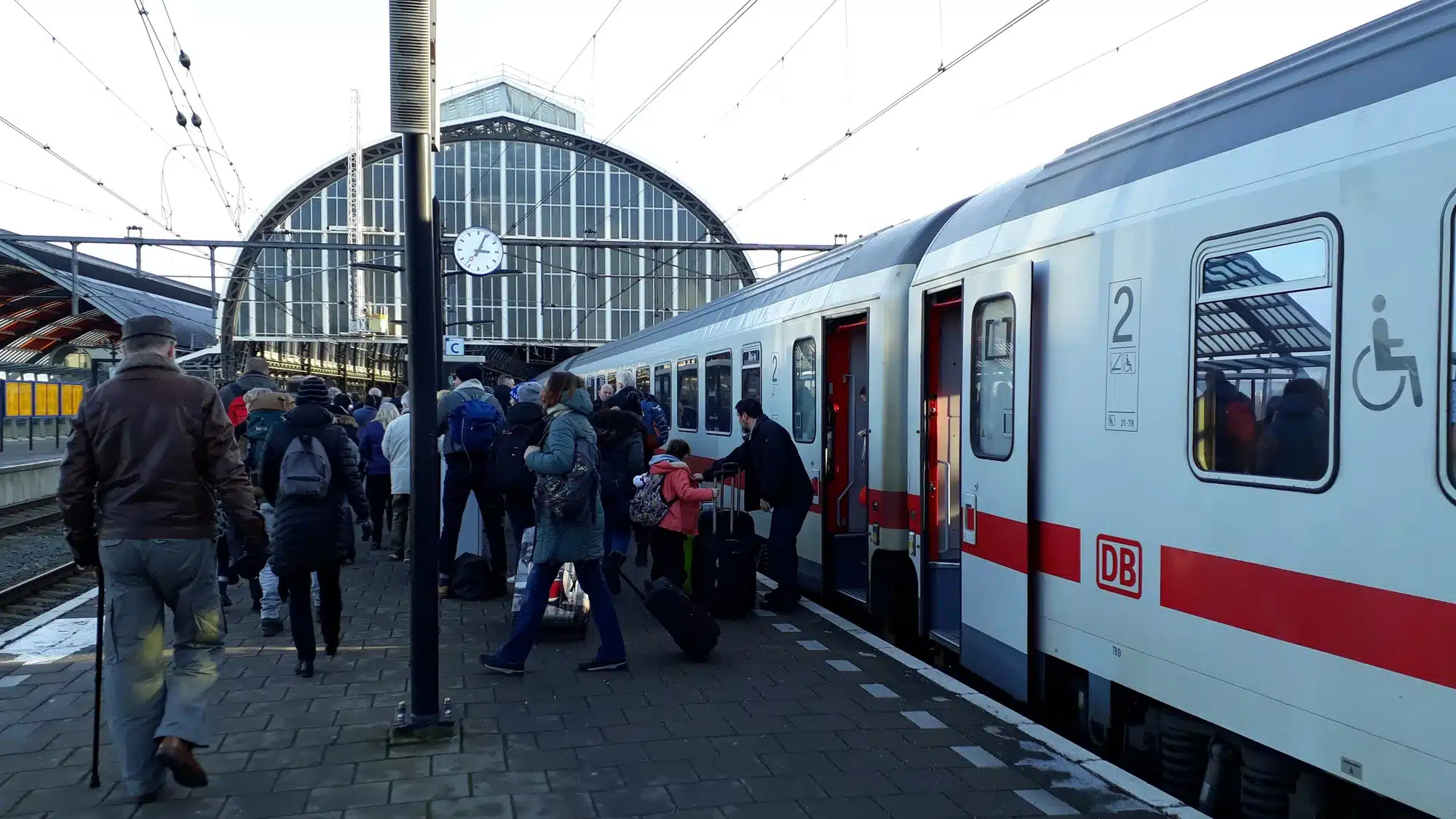
From Schiphol: the railway station is below the airport terminal. Choose the arrival station that suits your accommodation rather than assuming every journey must end at Centraal. Use the airport’s official transport guidance and the operator’s planner for your date.
Around the city: GVB runs the local tram, metro and bus network. Its visitor information explains contactless pay-as-you-go and day products. Follow check-in and check-out instructions, using the same physical card or device throughout a journey; a phone and its associated bank card are separate travel tokens.
Keep ticket products separate: a GVB city ticket does not include an NS airport train or services run by Connexxion or EBS. Check coverage before buying a pass because similar names do not mean identical validity. Consider the actual journeys you will make and the current pay-as-you-go conditions.
Across the IJ: free ferries behind Centraal connect with Noord. Check the destination and current timetable, especially for a late return. The Noord overview helps explain the area; not every waterside attraction is beside the same landing.


Editorial 1-, 2- and 3-day suggestions
How to structure your trip
These are editorial itineraries, not fixed rules. They assume you want a first trip that is practical rather than overpacked. The key idea is to keep each day geographically coherent and to avoid crossing the city too many times.
The classic first day
Morning: central canals and one major museum, ideally with a timed reservation.
Afternoon: a Jordaan walk or a slower canal-ring wander.
Evening: a straightforward Dutch meal and an early night.
Museums plus neighbourhood contrast
Day 1: Rijksmuseum, Museumplein area, then De Pijp or Oud-Zuid for dinner.
Day 2: Anne Frank House if you secured tickets, then Jordaan and the western canal area.
This gives you the core sights without turning the trip into a checklist.
Add a wider Amsterdam layer
Day 1: Centre and canals.
Day 2: Main museum day plus Jordaan or De Pijp.
Day 3: Cross to Amsterdam Noord, then use the rest of the day for a slower neighbourhood or market-based afternoon.
This is the most comfortable length if you want both icons and a less tourist-dense perspective.
What to plan for without over-engineering it
Money and budgeting
Separate accommodation, booked attractions, city transport and airport travel when you build a budget. Compare rooms for the same dates, occupancy and cancellation conditions. A location that fits your itinerary can be worth more than an apparently lower nightly rate with awkward connections.
For orientation, GVB’s published 2026 prices list its 24-hour day product at €10, 48 hours at €16 and 72 hours at €21.50. These are GVB products, not a combined museum-and-airport package. Confirm current prices, validity and pay-as-you-go conditions on the official fare page before paying. Recheck if travelling in a later fare year.
Keep free time in the plan: canal walks and a neighborhood stroll do not need a sightseeing ticket. For meals, compare the displayed menu and portion format. This guide does not quote hotel rates, meal budgets or savings that were not checked for your dates.
Accessibility, etiquette and small things that matter
Practical notes
Accessibility is specific to the route and venue. Check entrances, lifts, boarding arrangements and room access before booking. The official accessibility information is a starting point, not a guarantee that every tram, canal boat or historic building will suit your needs.
Watch the cycle lanes. Pause away from the bike path when checking a map or taking a picture. If you are unfamiliar with urban cycling, begin with walking and transit rather than making a busy junction your first rental-bike experience.
Be considerate in residential streets. Keep noise down, follow posted rules and leave doorways clear. Check current city visitor guidance rather than assuming the city’s reputation overrides local restrictions.
Save the essentials before leaving Wi-Fi. Keep your accommodation address, timed reservations and a backup payment method accessible. Check the day’s operator notices before an airport trip or a tightly timed museum booking.
Search these places directly in Google Maps
Useful map searches
These searches are meant to be practical starting points rather than a curated embedded map. Use them to orient yourself around the places mentioned in this guide.
Primary references used for this guide
Sources
Primary tourism, museum and transport sources were checked on November 9, 2026. Prices are dated; ticket availability and disruption notices require a check for your own travel dates. Itineraries and neighborhood trade-offs are editorial suggestions.
- I amsterdam: neighbourhoods overview
- I amsterdam: Jordaan
- I amsterdam: Amsterdam Noord
- Anne Frank House: tickets
- Rijksmuseum: visit information
- I amsterdam: Dutch foods to try
- Schiphol: by public transport
- GVB: tourist information
- GVB: prices
- City of Amsterdam: tourism policy
- I amsterdam: visitor information
- I amsterdam: accessibility
- Van Gogh Museum: timed visits
- I amsterdam: De Pijp
Featured image: Photo: Jorge Royan / Wikimedia Commons, CC BY-SA 3.0. Resized and converted to WebP; adaptation retains the source licence.
