Latin America can be excellent value, but no city is automatically “cheap.” A low room rate can be cancelled out by airport transfers, tours, holiday pricing or a neighborhood that requires taxis. These ten destinations are worth price-checking for 2027 because they offer a useful combination of walkable sights, public transport, inexpensive everyday food or flexible lodging.
This is a shortlist, not a ranking or a promise of fixed prices. Compare the same dates, room type, cancellation terms and tax-inclusive total before booking. The strongest straightforward values here are usually Oaxaca, Medellín, Antigua, La Paz and León. Cusco can work well if Machu Picchu is planned early; Montevideo, Cartagena, Valparaíso and Guna Yala need more careful timing.
Quick comparison: which destination fits your trip?
| Destination | Best for | Budget advantage | Main cost risk |
|---|---|---|---|
| Oaxaca | Food and culture | Markets and a walkable center | Guelaguetza and Day of the Dead demand |
| Medellín | Longer city stays | Integrated metro and many neighborhoods | Premiums in El Poblado and major events |
| Antigua | Compact historic break | Walkable core and simple local meals | Volcano tours and holiday weekends |
| La Paz | Urban scenery and markets | Low-cost cable-car network | Altitude and organized excursions |
| León | History and volcanoes | Compact center and regional buses | Paid adventure tours |
| Cusco | Inca history | Walkable center and broad lodging range | Machu Picchu transport and timed tickets |
| Montevideo | Beaches and urban culture | Free coastline and city buses | Higher food and lodging costs |
| Cartagena | Caribbean history | Historic center explored on foot | High-season rooms, islands and taxis |
| Valparaíso | Art and a Santiago add-on | Frequent intercity buses | Hills, transfers and holiday demand |
| Guna Yala | Community-run island stay | Simple packages can bundle essentials | Transfers, boats and access fees |
How we chose these affordable Latin America destinations
We looked for places where a traveler can control the total trip cost rather than chase the lowest advertised bed. The useful questions are: Can you stay near the sights? Can you move without a rental car? Are ordinary meals easy to find? Can you enjoy the destination without buying a different tour every day?
For 2027, search at least two date windows and compare the final total in the same currency. Check public holidays, festivals and school vacations before assuming a shoulder-season month will be quiet. Airfare can reverse the order of this list, so the best-value destination is often the one with the simplest route from your home airport.
1. Oaxaca, Mexico: strongest for food and a walkable cultural trip

Oaxaca works especially well for travelers who want most days to revolve around streets, markets, museums and food rather than paid attractions. Staying near Centro reduces transport costs, while the 20 de Noviembre and Benito Juárez market area makes it easy to compare simple meals before committing to a restaurant.
The risk is timing. Guelaguetza season, Day of the Dead and long holiday weekends can change room rates dramatically. Day trips to Monte Albán, Mitla, artisan villages or Hierve el Agua also add up, so choose the two that matter most instead of booking a tour every day. The official Visit Mexico Oaxaca guide is a useful starting point for current attractions and events.
Best budget move: stay within walking distance of the center, eat a mix of market meals and restaurant meals, and price day trips separately.
2. Medellín, Colombia: best public transport value for a longer stay

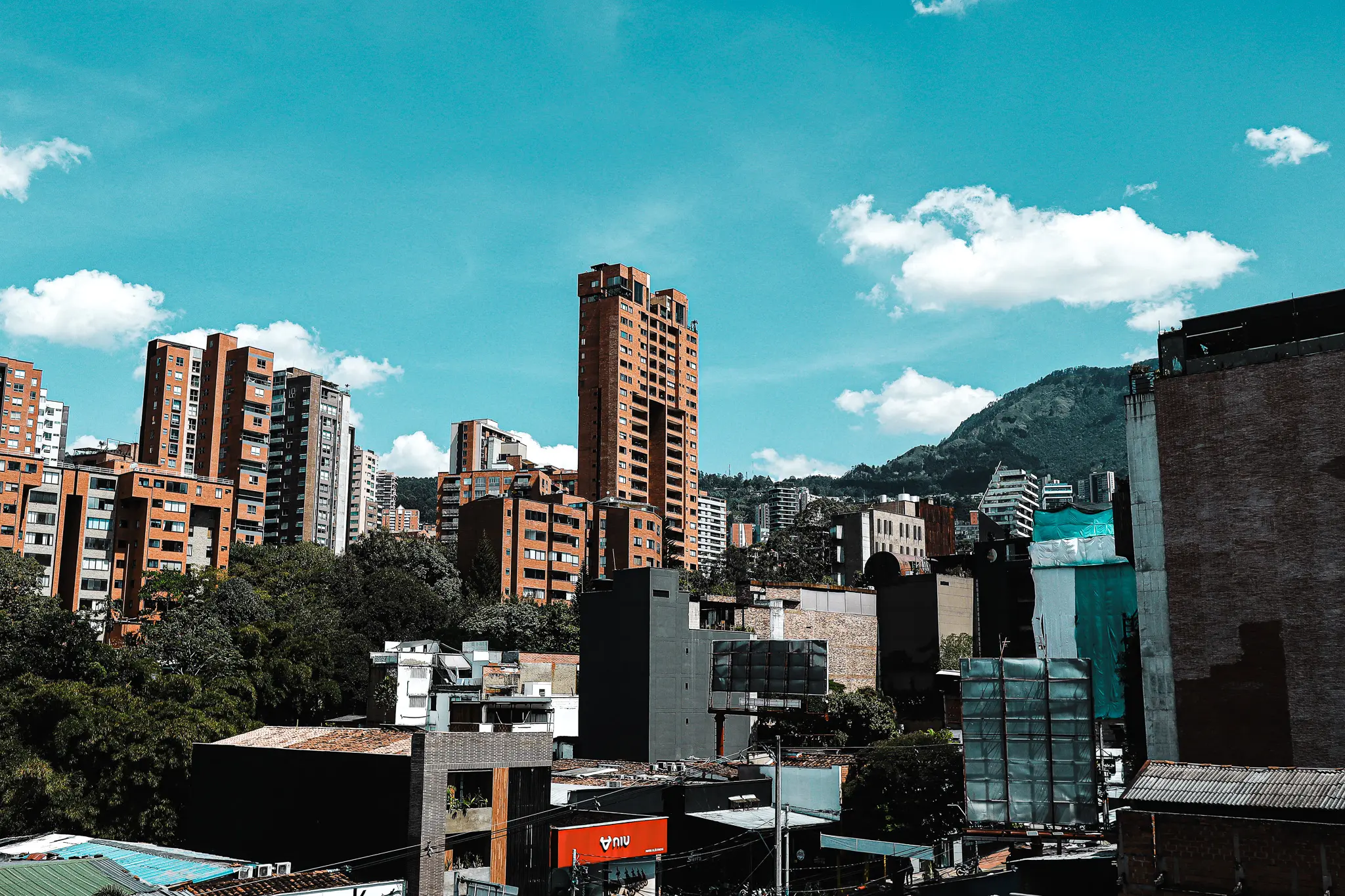
Medellín’s advantage is mobility. The metro, tram and cable-car lines connect a large part of the valley, so a central base can support several inexpensive sightseeing days. The official tourism site describes the rail and aerial cable system as an integrated network, including access toward Parque Arví.
El Poblado is convenient but often carries an international-visitor premium. Compare Laureles, Estadio and well-connected areas near a metro station, then check the exact walking route after dark. Guatapé and organized Comuna 13 tours can raise the daily average, although much of the city can be explored independently. Read our detailed Medellín guide and the official Colombia Travel metro overview.
Best budget move: choose lodging near the metro and treat ride-hailing as an occasional safety or convenience expense.
3. Antigua, Guatemala: easy to explore without daily transport

Antigua’s compact historic center is its budget advantage. Churches, plazas, cafés and viewpoints sit within a walkable area, and local bakeries, markets and set lunches help balance more polished restaurants. A private shuttle from Guatemala City costs more than public transport but can be sensible when split between several people or used for a late arrival.
Volcano hikes are the major variable. Acatenango is a serious overnight mountain trip, not a casual add-on, and the lowest quote is not always the best value once warm gear, meals, park access and guide standards are compared. Holy Week and year-end dates require early booking. INGUAT publishes an official Antigua visitor map and brochure.
Best budget move: spend several days in the center and budget for one well-run excursion rather than stacking tours.
4. La Paz, Bolivia: spectacular urban transport at a low daily cost

La Paz rewards slow exploration. Markets, museums, viewpoints and neighborhoods can be connected with Mi Teleférico, turning the public-transport network into part of the experience. The municipal tourism page currently lists a general Bs 3 fare for the Green Line, but travelers should verify fares and hours before the trip.
The city’s altitude is the important planning constraint. Arrive with a light first day, hydrate and avoid placing an expensive, strenuous excursion immediately after landing. Uyuni, Lake Titicaca and mountain outings belong in a separate trip budget. Use the government’s La Paz cable-car information and the official Mi La Paz tourism directory.
Best budget move: use the cable-car network for city days and allow time to acclimatize before paying for high-altitude tours.
5. León, Nicaragua: compact history with optional adventure

León offers cathedral views, museums, murals and a lively university atmosphere in a center that is straightforward to explore on foot. Regional buses and simple local food keep ordinary days manageable, while Las Peñitas adds a nearby beach option.
Cerro Negro volcano boarding and guided hikes are the expenses to compare carefully. Check what the quoted price includes, the operator’s registration, equipment and return transport. Nicaragua’s tourism institute maintains a current official León destination page and a searchable register of tourism businesses.
Best budget move: keep the city portion independent and buy only the adventure activity that justifies its guide and transport costs.
6. Cusco, Peru: affordable in town, potentially expensive beyond it

Cusco has abundant lodging and food at different price levels, and its historic center rewards walking. Peru’s official tourism site notes that Plaza de Armas, the 12-angled stone, San Blas and several central landmarks can be visited on foot. At roughly 3,399 meters above sea level, however, the first day should remain flexible.
Machu Picchu is a separate cost center. Timed entry, the chosen circuit, train or alternative transport and lodging around the route can cost more than several days in Cusco. Peru’s official guidance says tickets should be purchased through the Ministry of Culture platform and recommends confirming transport before selecting the entry time. Never build a 2027 budget from an old package price. Review the official Machu Picchu circuit guidance.
Best budget move: separate “Cusco city” and “Machu Picchu” into two budget lines and book the limited component first.
7. Montevideo, Uruguay: better for free urban days than rock-bottom prices

Montevideo is the outlier on this list: it is rarely the cheapest capital in the region. It earns a place because the Rambla, beaches, parks and much of the city’s street life are free, while buses connect the main visitor areas. A kitchen or substantial breakfast can matter more here than saving a few dollars on a distant room.
Summer weekends, Carnival and major events can lift demand. Compare central areas and Pocitos with the cost and time of daily travel, and do not assume every market meal is inexpensive. Montevideo’s official destination material confirms that city buses connect the principal tourist areas and provide real-time information.
Best budget move: use free waterfront days, buy a local transit option that fits your stay and choose lodging that reduces restaurant dependence.
8. Cartagena, Colombia: affordable only with the right neighborhood and season

Cartagena’s walls, plazas and Getsemaní streets create excellent free or low-cost sightseeing days. The catch is accommodation: the most famous streets also contain boutique hotels and visitor-priced restaurants. Compare Getsemaní, Manga and other practical areas using the final price and the exact route into the old city.
Island day trips, beach clubs, taxis and peak-season rooms can quickly erase the savings from a cheap flight. Colombia Travel recommends confirming taxi prices in advance. If the dates are flexible, avoid year-end and major holiday periods and compare humid shoulder-season weather with the room-rate difference. See our Cartagena and Medellín guide and the official historic-center overview.
Best budget move: build the trip around walking days and treat any island excursion as a separate purchase with all fees included.
9. Valparaíso, Chile: a strong add-on from Santiago

Valparaíso makes the most budget sense as a short cultural stop linked to Santiago. Street art, hillside views, plazas and the port atmosphere fill a day without a long attraction list. Chile Travel says frequent buses leave Santiago terminals such as Alameda and Pajaritos, with a journey of roughly two hours.
The hills change the calculation: the cheapest room may involve steep climbs or extra rides. Check the route, lighting and transport options, particularly after dark; the official destination guide advises using busy, illuminated streets or safe transport at night. Summer and national holidays need a separate price check.
Best budget move: pair it with Santiago, arrive by intercity bus and choose a base that limits repeated hill transfers.
10. Guna Yala, Panama: simple island travel, but not a casual bargain

Guna Yala, often marketed as the San Blas Islands, is an Indigenous autonomous region rather than a conventional resort strip. A simple community-run stay can feel good value when lodging, basic meals and boat movements are bundled. It becomes expensive when transfers, port charges, community fees, extra islands and drinks appear separately.
Ask who operates the lodging, which island you will visit, what the package includes and how the road-and-boat transfer handles weather. Respect local rules and photography requests. Panama’s tourism authority lists Guna-led experiences and maintains a regional office for Guna Yala; its Indigenous tourism directory is a better planning start than an anonymous reseller.
Best budget move: compare the complete door-to-island total and prioritize transparent, community-connected operators.
How to keep a 2027 Latin America trip affordable
- Compare final totals: include taxes, baggage, airport or station transfers, local transport and mandatory fees.
- Use identical searches: same dates, occupancy, room type, rating threshold and cancellation terms.
- Stay near ordinary transport: a slightly higher central room can cost less than daily taxis.
- Check the calendar: festivals and long weekends can matter more than the nominal season.
- Separate headline excursions: Machu Picchu, Acatenango, island trips and volcano tours deserve their own budget lines.
- Keep arrival day flexible: delays, altitude and unfamiliar transport make a prepaid tour on day one risky.
- Recheck official sources: schedules, entry systems, safety advice and access rules can change before 2027.
Frequently asked questions
What is the cheapest destination on this list?
There is no reliable universal winner. León and La Paz can have low daily costs, while Oaxaca and Medellín may be better overall value because they combine food, sights and transport efficiently. Your airfare and dates can change the result.
Which destinations are easiest without a car?
Oaxaca’s center, Antigua, Cusco’s center and León are walkable. Medellín, La Paz and Montevideo add useful public transport. Valparaíso works by bus from Santiago, although its steep terrain matters.
Which places need the earliest planning?
Cusco needs early planning when Machu Picchu is part of the trip. Antigua around Holy Week, Oaxaca during its major festivals, Cartagena around year-end and popular Guna Yala stays also reward advance comparison.
Are these destinations safe?
Conditions vary by neighborhood and can change. Read current government travel advice, ask your accommodation about the arrival route, use recognized transport and keep plans flexible. A destination’s inclusion here is a budget assessment, not a safety guarantee.
Last reviewed: October 2026. Prices, timetables, ticket systems and entry rules can change. Verify the details that affect your booking with the linked official sources.